
Jōkyū (1219–1222): a Japanese era and the 1221 imperial revolt
Jōkyū (承久) was a Japanese era from April 1219 to April 1222 during Emperor Juntoku's reign, best known for the Jōkyū War of 1221, a failed imperial attempt to overturn Kamakura shogunate rule.
Overview
Jōkyū (承久), sometimes read Shōkyū, is the Japanese era name (a nengō) that covered the years from April 1219 through April 1222. The era name marks a brief phase in the early Kamakura period when Emperor Juntoku held the throne. Like other nengō, Jōkyū was used to mark official documents and to frame historical chronology.
Image gallery
2 Images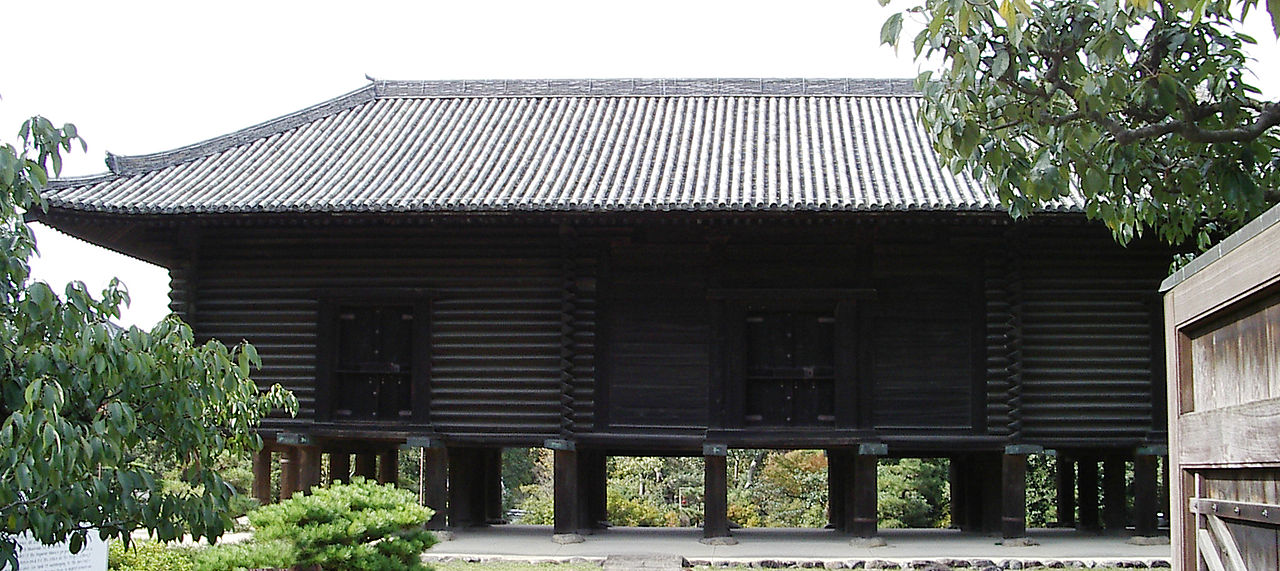

Background and name
The two kanji 承 (jō/shō) and 久 (kyū) combine to form the era title usually romanized as Jōkyū. This era directly followed Kempō and was succeeded by Jōō. Era names in this period were selected for auspicious meaning and to signal a new phase in court or national life.
Major events: the Jōkyū War (Jōkyū no Ran)
The most consequential event during this era was the uprising of 1221 often called the Jōkyū War. A coalition led by the retired Emperor Go-Toba attempted to restore stronger imperial control by challenging the Kamakura shogunate. The military response by the shogunate defeated the imperial forces, and the rebellion ended in failure for the court faction.
Consequences and importance
- Defeat in the revolt strengthened the political authority of the Kamakura shogunate over the imperial court.
- Members of the imperial family and court officials who led or supported the rebellion were punished or exiled, diminishing court independence.
- The shogunate tightened its administrative control over provinces, reinforcing the dual power structure that characterized medieval Japan.
Although the Jōkyū era lasted only a few years, the events within it marked a turning point: the imperial court was shown to be unable to displace warrior rule, and the balance of power shifted decisively toward the military government based in Kamakura.
Historical perspective
Historians view Jōkyū as a key episode in the consolidation of samurai governance. It illustrates how era names serve as convenient labels for political and cultural change, as well as for dating. For readers seeking more on the era-name system or surrounding eras, see the linked entries above for broader context.
Related articles
Author
AlegsaOnline.com Jōkyū (1219–1222): a Japanese era and the 1221 imperial revolt Leandro Alegsa
URL: https://en.alegsaonline.com/art/50973
Sources
- books.google.com : "Jōkyū" in Japan encyclopedia, p. 431
- books.google.com : Annales des empereurs du Japon, pp. 230-238
- books.google.com : Gukanshō, pp. 341
- books.google.com : p. 235
- books.google.com : p. 236
- books.google.com : p. 343
- kunaicho.go.jp : Ceremony of Accession (Sokui-no-Rei)
- books.google.com : p. 344
- books.google.com : p. 238
- books.google.com : p. 95