
Jōō (1222–1224) — Japanese era of the early Kamakura period
Jōō (貞応, Jō-ō) was a short Japanese era from April 1222 to November 1224 during the Kamakura period, under Emperor Go-Horikawa, following the political upheaval of the Jōkyū disturbance.
Jōō (貞応), often romanized Jō-ō, was a Japanese era name (nengō) that spanned from April 1222 through November 1224. It succeeded the Jōkyū era and was followed by the Gennin era. The reigning sovereign during Jōō was Emperor Go-Horikawa, who occupied the throne in the immediate aftermath of the Jōkyū conflict that reshaped imperial–military relations in early 13th-century Japan.
Image gallery
2 Images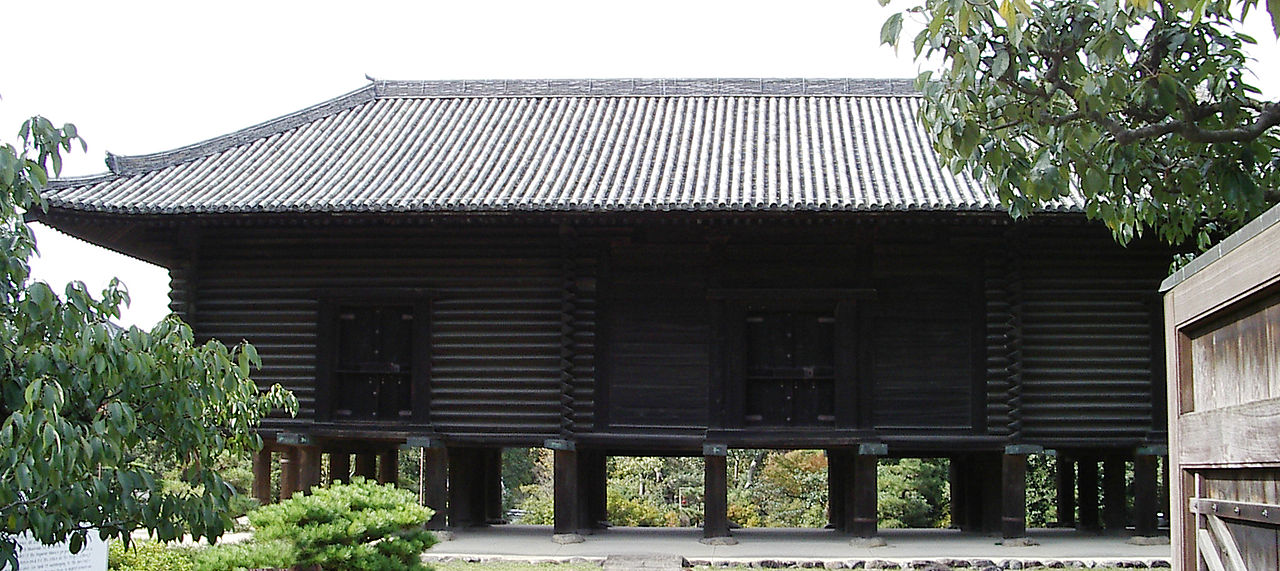

Historical context
The Jōō era unfolded within the Kamakura period, when real political power increasingly rested with the military government (bakufu) based in Kamakura. The Jōkyū disturbance of 1221 had been a decisive confrontation between retired Emperor Go-Toba and the Kamakura shogunate; its suppression led to a reordering of court appointments and the installation of younger, more controllable emperors. The declaration of a new era name was part of the court’s customary response to major events and shifting fortunes.
Characteristics and significance
As an era name, Jōō (the characters 貞 and 応 can be read as suggesting constancy and response) functioned to mark years in official documents and chronologies. Though brief, the period is notable for illustrating the consolidation of shogunal authority over the imperial court and for the continued adaptation of court ritual and administration under military oversight.
Notable themes and developments
- Consolidation of Kamakura bakufu influence over court succession and governance.
- Continuation of administrative reforms and reassignment of land and titles following the Jōkyū disturbance.
- Persistence of courtly culture and religious patronage despite diminished political independence.
For readers interested in the era-name system itself, see the article on nengō, which explains how and why era names were chosen and changed. The Jōō period directly preceded the Gennin era, and it occupies a transitional moment in the narrative of Kamakura governance and medieval Japanese political history.
Although Jōō lasted only a little over two and a half years, it reflects larger trends of the early 13th century: the shift from aristocratic court rule to samurai-led administration, the use of era names to mark political and spiritual realignments, and the continued cultural life of the imperial household under constrained circumstances.
Related articles
Author
AlegsaOnline.com Jōō (1222–1224) — Japanese era of the early Kamakura period Leandro Alegsa
URL: https://en.alegsaonline.com/art/51055
Sources
- books.google.com : "Jō-ō"
- books.google.com : Annales des empereurs du Japon, pp. 238-241
- books.google.com : Gukanshō, pp. 346