
Jōō (承応): Japanese era name of the early Edo period, 1652–1655
Jōō (承応) was a Japanese era name from September 1652 to April 1655 during the early Edo period, spanning the end of Emperor Go-Kōmyō's reign and the accession of Emperor Go-Sai.
Overview
Jōō (承応), sometimes romanized as Jō-ō or Shōō, is a Japanese era name (nengō) that ran from September 1652 through April 1655. Era names are titles assigned to periods of years in the traditional Japanese calendar; they are used in official records and historical chronology. The Jōō era followed the Keian era and preceded the Meireki era. During Jōō the imperial household saw a transition: the era covers the final years of Emperor Go-Kōmyō and the accession of Emperor Go-Sai.
Image gallery
4 Images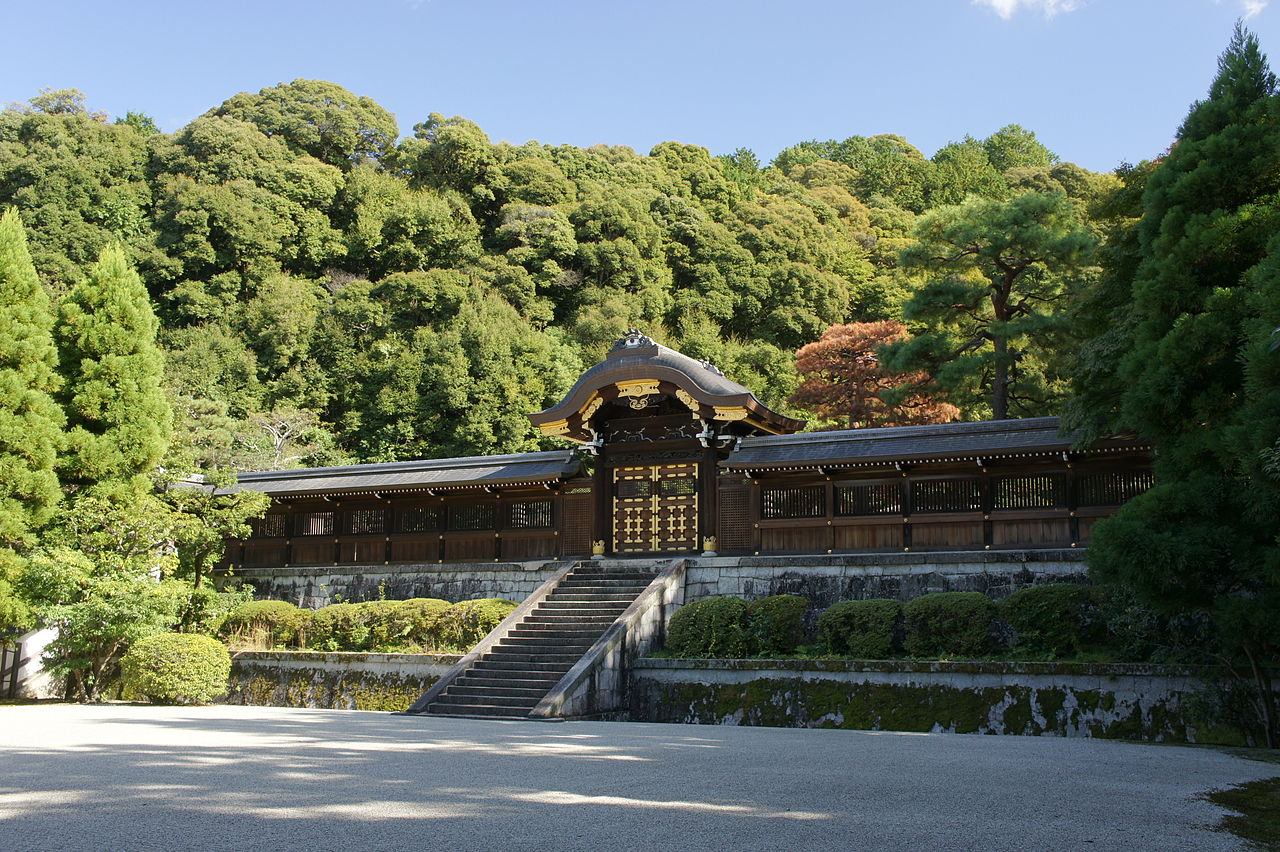


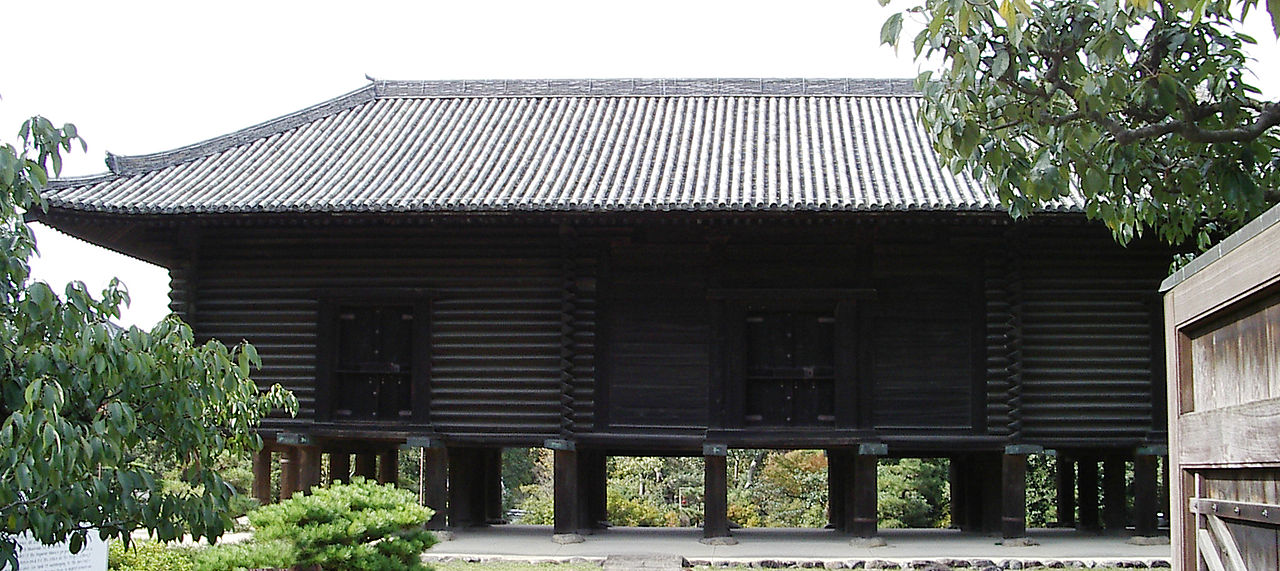
Historical context
Jōō falls within the early Tokugawa (Edo) period, when the Tokugawa shogunate exercised political power while the emperor remained the symbolic head of state. The shogunate policies established earlier in the seventeenth century — including restrictions on foreign contact and a centralized feudal order — framed life in this period. The young Tokugawa Ietsuna had assumed the shogunate in 1651, so Jōō was an interval of consolidation for the bakufu’s governance following the death of Iemitsu.
Characteristics and features
The era name system itself is significant: era names could be changed for a variety of reasons such as auspicious omens, celestial events, political changes, or to mark imperial succession. Jōō is relatively short, as many nengō in the premodern era were. Notable characteristics of the period include:
- Imperial succession: the era spans the end of one imperial reign and the beginning of the next, illustrating how court events and chronology intersected with era naming.
- Bakufu authority: real political power continued to rest with the Tokugawa shogunate, which regulated daimyo, commerce, and foreign contacts under policies developed in earlier decades.
- Continuity of cultural life: urban centers such as Edo, Osaka, and Kyoto continued to grow as centers of commerce, art, and literacy, trends that would expand later in the Edo period.
Importance and distinctions
Although the Jōō era itself does not correspond to a single defining national event familiar to general audiences, it is useful for historians as a chronological marker. Short eras like Jōō help place local and regional developments within a precise timeframe. The era name's kanji, 承応, and its alternative romanizations demonstrate the variety of readings and spellings encountered in historical sources.
Further reading
For readers seeking more on the Japanese era-name system and adjacent periods, consult general introductions to the nengō practice and surveys of early Edo political and cultural history. The Jōō era serves as a bridge between the Keian and Meireki eras and reflects the cadence of short, named intervals used in premodern Japanese chronology.
Related articles
Author
AlegsaOnline.com Jōō (承応): Japanese era name of the early Edo period, 1652–1655 Leandro Alegsa
URL: https://en.alegsaonline.com/art/51054
Sources
- books.google.com : Japan encyclopedia, p. 432.
- books.google.com : "Go-Kōmyō Tennō,"
- books.google.com : "Tennō,"
- books.google.com : Annales des empereurs du japon, pp. 412-413.
- books.google.com : p. 413
- books.google.com : Japans Kaiserhof in der Edo-Zeit, p. 186
- kunaicho.go.jp : 後光明天皇 (110)