
Johnny Hallyday: French rock icon and cultural figure
Overview of Johnny Hallyday (Jean-Philippe Smet), his music career, films, public image, personal life and legacy as a major figure of French popular culture.
Overview
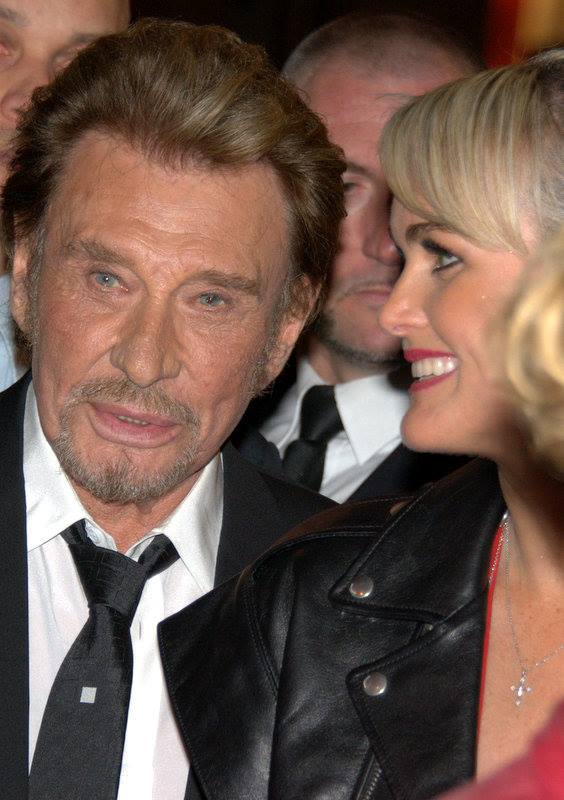
Jean-Philippe Léo Smet, best known by his stage name Johnny Hallyday, was a leading figure in popular music in France from the late 1950s until his death in 2017. A performer who mixed rock and roll with ballads and other styles, he was widely celebrated in the French-speaking world as a distinctive singer and actor — often described simply as a singer and actor. Over a career lasting six decades he undertook an exceptionally large number of concert tours, recorded many studio and live albums, and became a fixture of French mass culture.
Image gallery
10 Images




Musical career and style
Hallyday emerged in the late 1950s, when American rock and roll began to influence European youth. His work combined energetic rock numbers, dramatic ballads and adaptations of foreign songs into French, and his stagecraft emphasized a charismatic, sometimes flamboyant persona. He is reported to have completed numerous concert tours — a notable number often cited is 181 tours — and released many albums, with a substantial number reaching gold or platinum status. Sales figures attributed to him across his lifetime are commonly given as more than 110 million records worldwide, which reflects his extraordinary popularity in francophone markets.
Notable recordings and performances
Throughout his career Hallyday recorded a wide variety of material. Some songs that became closely associated with him include:
- "Retiens la nuit"
- "Que je t'aime"
- "Je te promets"
- "Allumer le feu"
- "Sang pour sang"
Because of his role in popularizing rock music in France and his charismatic stage presence, he was sometimes compared to American stars — he was occasionally called the "French Elvis Presley" — though he drew on a broader repertoire than simply emulating any single foreign artist.
Film work and public image
Hallyday also appeared in films across several decades, balancing musical projects with acting roles. His screen credits included appearances in feature films and supporting roles; examples often cited in summaries of his career include titles such as The Specialist (1969), Détective (1985) and Crime Spree (2003). While a household name in France and other French-speaking countries, his international profile outside those markets remained more limited, and commentators often note that he was less well known outside the French-speaking world compared with global Anglo-American stars.
Personal background and health
Born in Paris, Hallyday's origins were mixed: he grew up in a family with Belgian and French roots. Reports commonly state he was born in the French capital (Paris) and that his father was of Belgian origin (Belgian) while his mother was French. His private life attracted public attention; he was married several times — accounts typically mention five marriages — and he had children who also entered the public eye.
Later in life Hallyday faced serious health challenges. Media reports and his representatives disclosed that he underwent surgery related to colorectal problems and that he had been treated for colorectal cancer in 2009. In 2017 he announced that he had been diagnosed with lung cancer; he died later that year at age 74.
Legacy and distinctions
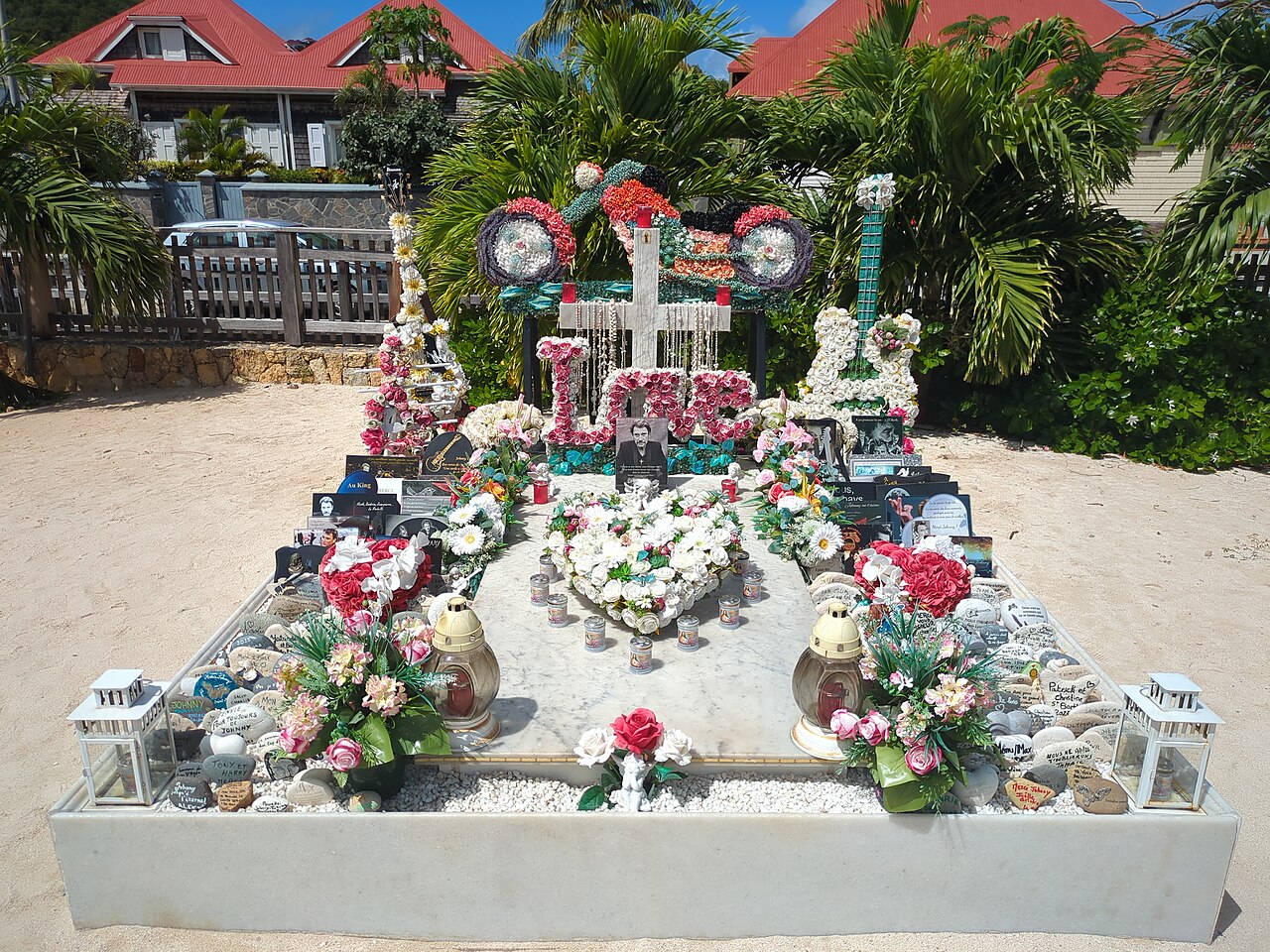
Johnny Hallyday's cultural impact in France is substantial: he helped introduce and sustain rock-inflected popular music for several generations, influenced stage presentation for French performers, and maintained a high public profile for decades. His body of work remains a reference point in discussions of postwar French popular culture, and his recordings continue to be reissued and celebrated in retrospectives. Scholarly and journalistic accounts note both his commercial success and his role as a cultural emblem of changing musical tastes in France during the second half of the twentieth century.
Further reading and resources
For more detailed discographies, filmographies and biographies, see linked resources and archival material. Contemporary obituaries and retrospective studies survey his recordings, tours and public life in greater depth and provide chronology and critical perspectives on his long career.
Related articles
Author
AlegsaOnline.com Johnny Hallyday: French rock icon and cultural figure Leandro Alegsa
URL: https://en.alegsaonline.com/art/50892