
John Ruskin: Victorian art critic, writer, and social reformer
John Ruskin (1819–1900) was a leading Victorian art critic, writer and social thinker whose works on art, architecture, nature and political economy influenced the Arts and Crafts movement and social reform.
John Ruskin (8 February 1819 – 20 January 1900) was one of the most prominent English critics and public intellectuals of the Victorian era. Best known for his campaigning criticism of art and architecture, he combined aesthetic judgment with moral and social concern. Ruskin championed the idea that art must be rooted in careful observation of the natural world and in honest workmanship. His writing ranges from extended defence of painters to essays on urban life, industry and the duties of citizens.
Image gallery
10 Images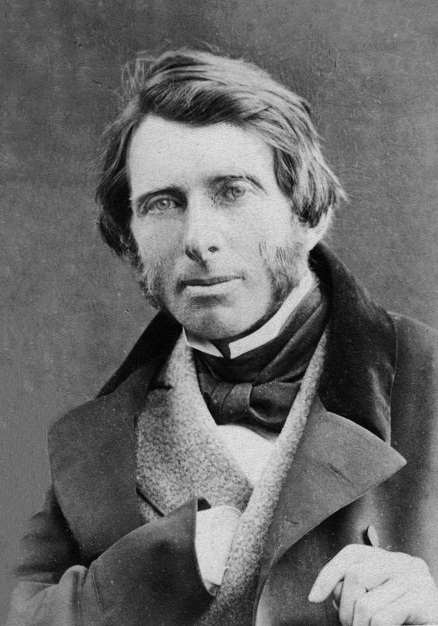




Scope of his work and interests
Ruskin wrote on an unusually broad range of topics. He made detailed drawings and watercolours, studied geological formations, and described plant, bird and landscape forms with scientific precision. At the same time he composed long, argumentative works on architecture, political economy and education. The variety of subjects he addressed is reflected in his published corpus and lectures:
- art criticism
- art theory
- painting
- patronage
- draughtsmanship
- watercolour practice
- geology
- architecture
- myths and symbolism
- ornithology
- literature
- education
- botany
- political economy
- nature study
- social theory
Major writings and themes
Ruskin first attracted wide attention with Modern Painters (first volume 1843), written in defence of the painter J. M. W. Turner and of the painter's duty to depict "truth to nature." Other important works include The Seven Lamps of Architecture (1849) and The Stones of Venice (1851–1853), which combined architectural history with moral critique. In the 1860s his essays collected as Unto This Last argued against laissez-faire economics and urged respect for labour and community obligations; these essays made a significant contribution to Victorian debates about industry and social welfare.
Influence and institutional legacy
Ruskin's ideas influenced the Pre-Raphaelite Brotherhood, the Arts and Crafts movement and later social reformers. His insistence on craftsmanship and the social value of work resonated with figures such as William Morris and informed debates about design, education and conservation. In 1869 he became the first Slade Professor of Fine Art at Oxford and founded the Ruskin School of Drawing. He also established the Guild of St George, an experimental organisation intended to promote rural crafts, good design and social improvement; the guild still exists in modified form.
Personal life and later years
Ruskin's personal life included a controversial early marriage that was annulled and later intense friendships and correspondences that shaped his emotional life. Late in life he experienced periods of poor health and depression, and his writings became increasingly personal and fragmentary. He left extensive collections of drawings, books and objects which formed the basis for Ruskin-related collections and teaching at Oxford and other institutions.
Today Ruskin is remembered both for his sustained advocacy of the moral purpose of art and for his wide-ranging attempts to connect aesthetic, scientific and social understanding. His combination of careful empirical observation, moral impatience with industrial excess, and literary fervour made him a distinctive and lasting voice in nineteenth-century culture.
Questions and answers
Q: Who was John Ruskin?
A: John Ruskin was a leading English art critic of the Victorian era, as well as an art patron, draughtsman, watercolourist, social thinker and philanthropist.
Q: What did Ruskin write about?
A: Ruskin wrote on a wide range of subjects including geology, architecture, myths, ornithology, literature, education, botany and political economy.
Q: What did he emphasise in his writing?
A: In all his writing he emphasised the connections between nature, art and society.
Q: How did he come to widespread attention?
A: He came to widespread attention with the first volume of Modern Painters (1843), an extended essay in defence of the work of J. M. W. Turner.
Q: What role does he believe artists should have?
A: He argued that the principal role of the artist is "truth to nature".
Q: What organisation did he found?
A: He founded the Guild of St George which still exists today.
Q: Where did Ruskin become a professor at?
A: In 1869 he became Slade Professor of Fine Art at Oxford University where he established the Ruskin School of Drawing.
Related articles
Author
AlegsaOnline.com John Ruskin: Victorian art critic, writer, and social reformer Leandro Alegsa
URL: https://en.alegsaonline.com/art/50795