
John Philip Holland — pioneer of the modern submarine
Irish-American engineer John Philip Holland (1840–1914) developed early practical submarines, including the first boat commissioned by the U.S. Navy and the Royal Navy's first submarine.
Overview
John Philip Holland (29 February 1840 – 12 August 1914) was an Irish-born inventor and engineer whose designs made practical, powered submarines a reality. Often called the father of the modern submarine, Holland combined electrical and internal-combustion propulsion, hull shape development and control systems to produce craft suitable for naval service. He was born in Ireland and later settled in the United States, where his work culminated in vessels taken into service by major navies.
Image gallery
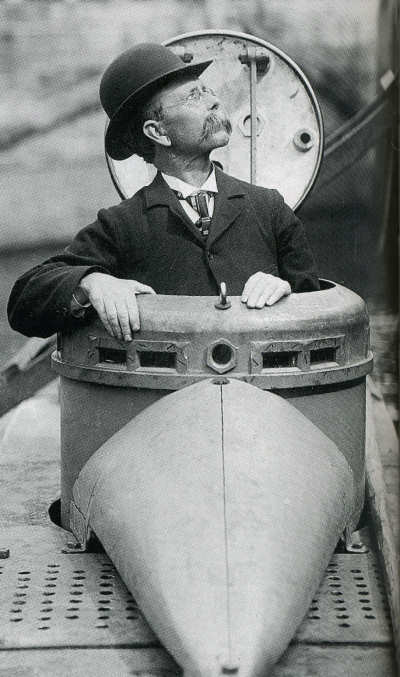
2 Images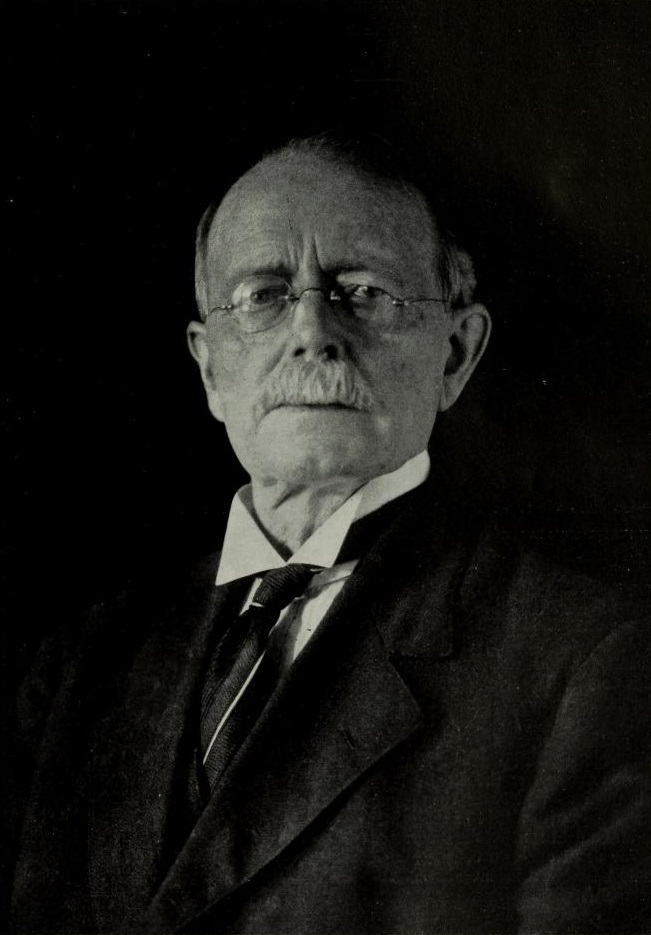
Key designs and vessels
Holland's work progressed through a series of experimental boats and commercially built craft. Notable examples include an early privately funded submarine built with support from Irish-American nationalists, the prototype that became the U.S. Navy's first commissioned submarine (commonly known as USS Holland), and the design adopted as the Royal Navy's first submarine, the Holland 1. These machines demonstrated practical submerged propulsion, periscopic observation and underwater control systems.
Technical contributions and characteristics
Holland was influential for integrating several technical advances into working hulls. He combined electric motors for submerged running with surface engines for endurance, refined ballast and trim systems, and emphasized a streamlined hull form for underwater handling. His approach balanced propulsion, buoyancy control and crew habitability so a boat could operate reliably and be crewed and maintained by naval personnel.
History and development
After training and working in Ireland, Holland emigrated to North America where he pursued experiments and demonstrations to attract funding. He collaborated at times with private backers and naval organizations, developing prototypes and seeking contracts. His persistence led to contracts and to the establishment of companies to build and promote submarine craft. These efforts influenced later industrial development in the submarine-building sector.
Legacy and importance
Holland's designs changed naval thinking about undersea warfare and helped prompt navies to adopt submarines as regular elements of their fleets. The commercial and institutional lines that trace back to his companies contributed to later submarine production and research. Because of his role in making the submarine a practical military and scientific platform, Holland is remembered in naval histories and museum collections.
Notable facts and resources
- Names and background: He is often represented in Irish sources by forms of his Gaelic name; see Irish name references.
- Nationality: Described as Irish and Irish-American in biographical accounts.
- Profession: Trained as an engineer and inventor.
- Submarine work: Central to the development of the modern submarine.
- Naval adoption: His designs were accepted by the U.S. Navy and the Royal Navy.
- Death: He died in Newark, New Jersey; see local records and memorials at Newark.
For further reading and museum exhibits, consult specialized naval history sources and museums that preserve early submarine examples and documentation.
Related articles
Author
AlegsaOnline.com John Philip Holland — pioneer of the modern submarine Leandro Alegsa
URL: https://en.alegsaonline.com/art/50766
Sources
- britannica.com : John Philip Holland article, Encyclopaedia Britannica