
John Mitchel: Irish nationalist, journalist and controversial exile
John Mitchel (1815–1875) was a leading Young Ireland activist, editor and author of The Jail Journal; transported after the 1848 rising, he escaped to the United States and remains a contested historical figure.
John Mitchel (3 November 1815 – 20 March 1875) was an Irish political activist, journalist and writer who became a leading figure of the mid-19th century movement for Irish independence. Born in Camnish near Dungiven in County Londonderry, he is often identified by his Gaelic name, Seán Mistéal, in Irish-language sources. Mitchel combined trenchant political journalism with an advocacy of physical force, positions that won him followers and led to his prosecution by the British authorities.
Image gallery
8 Images


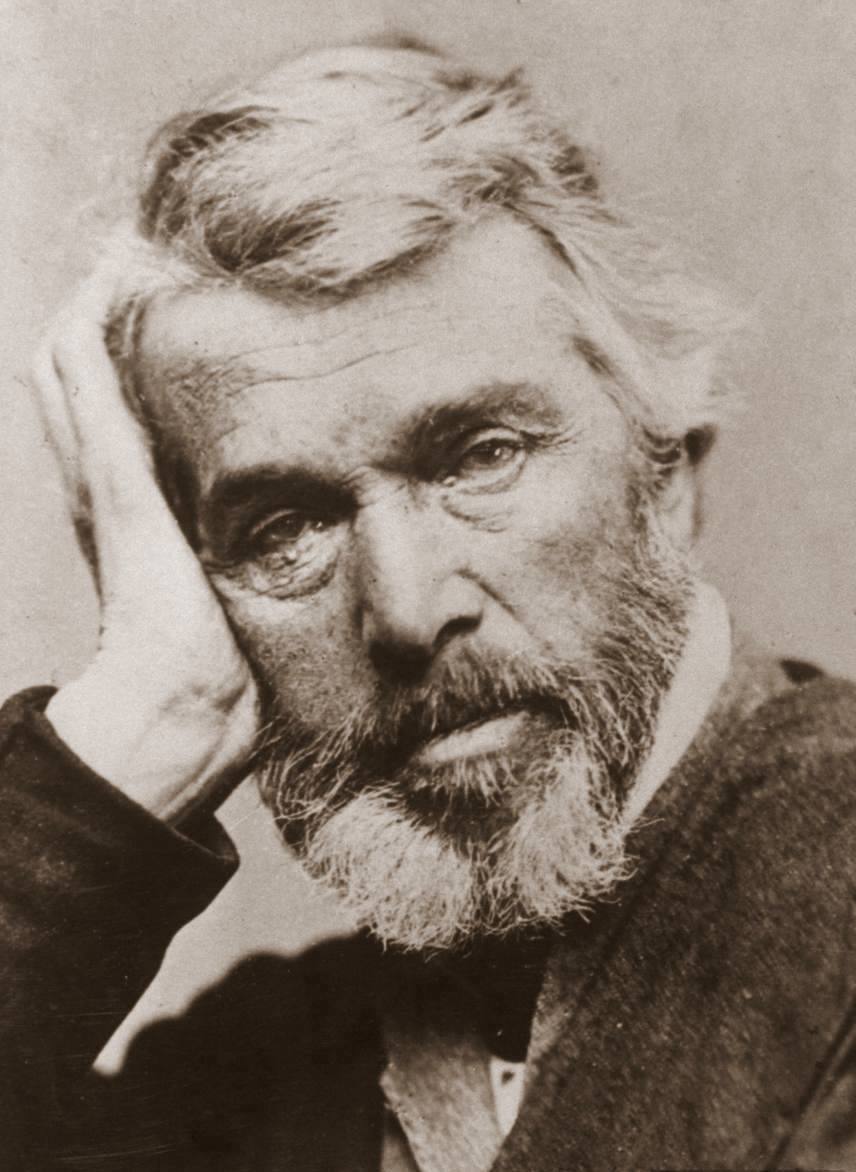

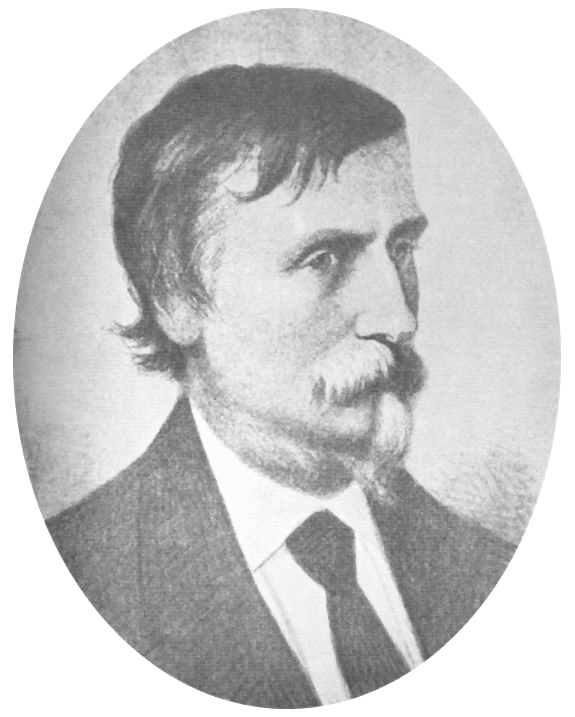
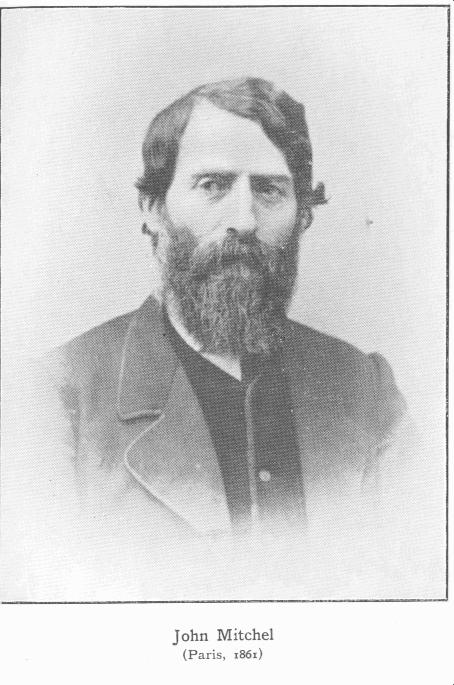

Early life and journalism
Trained initially in law, Mitchel turned to newspapers and quickly became known for his polemical style. He edited and founded several nationalist periodicals and was prominent among the Young Irelanders, a generation that rejected purely constitutional approaches and favored a more assertive challenge to British rule. His editorials and pamphlets helped shape public opinion in Ireland and among emigrant communities abroad, contributing to the broader currents of Irish nationalism.
1848 arrest, trial and transportation
During the revolutionary year of 1848 Mitchel used his press to urge resistance. Authorities charged him under laws intended to suppress sedition; he was convicted of treason-felony and sentenced to transportation to Van Diemen's Land (Tasmania). His account of those events and of confinement, later published as The Jail Journal, became an influential memoir and a touchstone for many nationalists.
Escape and American years
Mitchel escaped from the penal colony after a period of captivity and ultimately emigrated to the United States. In America he continued to write, maintained contact with Irish expatriate networks and edited newspapers. During the 1850s and 1860s his political views led him into controversy: he expressed support for the Southern states and for the Confederate cause during the American Civil War, positions that have been strongly criticized by later historians.
Reputation and legacy
Mitchel is remembered for his literary contribution to nationalist thought, for the vivid narrative of The Jail Journal, and for his role in the events of 1848. Equally, his public defense of slavery and the Confederacy complicates his memory and provokes debate about commemoration and historical judgment. Scholarly assessments place him as an important but divisive figure: admired by some for his commitment to Irish independence, condemned by others for his endorsement of causes now seen as morally indefensible.
Selected facts
- Key text: The Jail Journal, an account of trial and transportation.
- Associated with Young Ireland and mid-19th century nationalist agitation.
- Convicted in 1848 and transported; later escaped and settled in the United States.
- Legacy is mixed: influential in nationalist literature yet controversial for pro-Confederate views.
For further context on the 1848 events and Mitchel’s role, consult contemporary collections and scholarly studies of the period; introductory resources and archival materials are available through specialist libraries and historical societies. See also a concise overview of the 1848 uprising and broader developments in Irish politics during Mitchel’s lifetime.
Related articles
Author
AlegsaOnline.com John Mitchel: Irish nationalist, journalist and controversial exile Leandro Alegsa
URL: https://en.alegsaonline.com/art/50737