
Londonderry (Derry)
Londonderry (often called Derry) is a historic walled city on the River Foyle in Northern Ireland, known for its complete city walls, cultural life and a complex civic history.
Overview
Londonderry, commonly known as Derry, is a city on the River Foyle in the northwest of Northern Ireland. It is the second largest city in Northern Ireland and among the largest urban centres on the island of Ireland. The wider urban area has a population of around 100,000. The city serves as a regional centre for administration, education, culture and commerce.
Image gallery
10 Images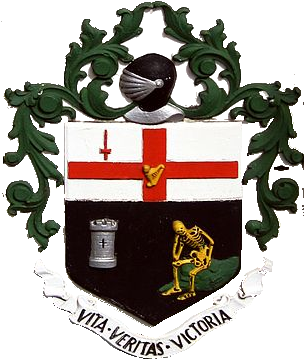




Name and identity
The city’s Irish name is Doire Cholm Cille, meaning "oak grove of Colmcille". The English name reflects a historical connection to London guilds. Today both names are in everyday use and often reflect different cultural and political identities: "Londonderry" is the official name used in some contexts while "Derry" is the common local usage.
History and development
The settlement has early medieval origins and traditions link its foundation to the 6th century. It rose to prominence in the early modern period when it was refortified and rebuilt; the surviving 17th-century stone walls are among the most complete in Europe. The city was a focal point in several significant events of Irish and British history, including the late 17th century conflicts and later 20th-century political tensions known as the Troubles.
City walls and landmarks
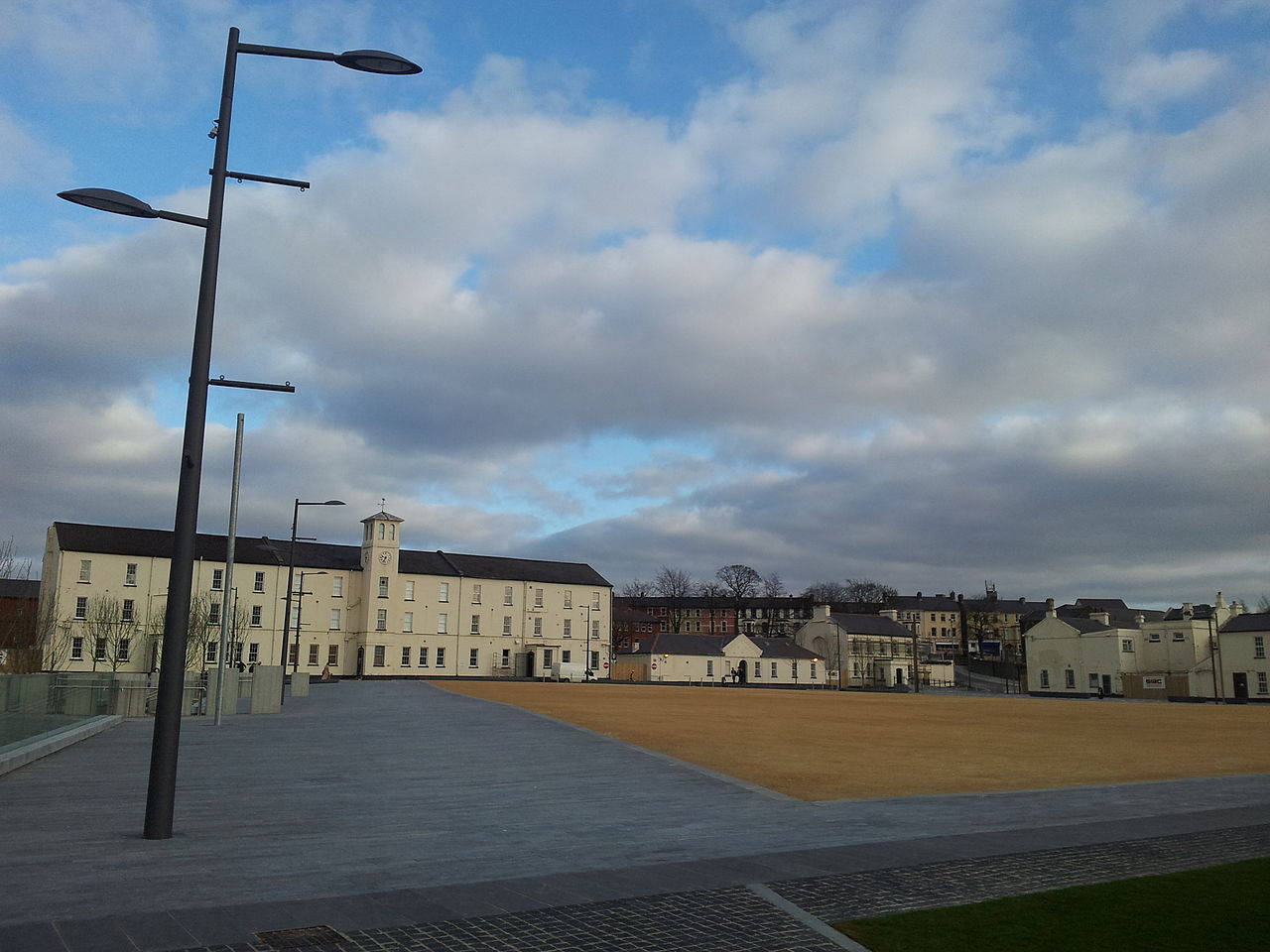
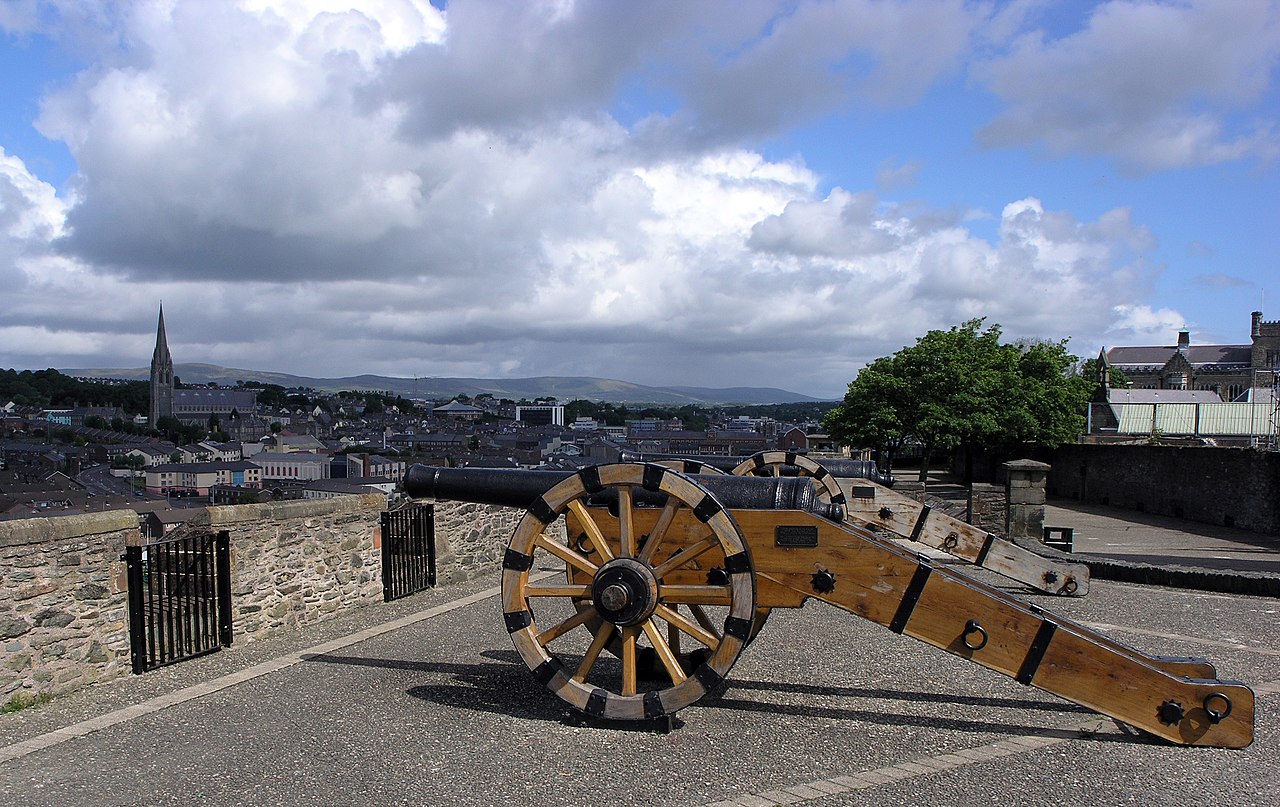
The intact ramparts encircle the historic core and are a major tourist attraction. Notable buildings and sites include the Guildhall, historic churches, museums, and interpretive centres that explain the city’s past. The River Foyle and bridges connect the city’s commercial and residential quarters and frame views of its riverside promenades.
Culture, economy and public life
Londonderry has a lively cultural scene with festivals, music, theatre and visual arts. It hosts annual events that draw visitors from across the island and beyond. The economy combines public administration, education, retail, creative industries and cross‑border trade with the neighbouring Republic of Ireland. Institutions of higher education and museums contribute to civic life.
Location, transport and surroundings
The city sits in County Londonderry, close to the border with the Republic of Ireland and the Donegal coast. Road, rail and local bus services link the city to Belfast, Dublin and other regional centres such as Cork. The immediate hinterland includes scenic counties such as County Donegal, making the city a gateway for tourism and cross-border commerce.
Notable facts
- The city is renowned for having one of the most complete sets of city walls in Europe.
- Its built heritage and murals reflect layers of social and political history.
- Londonderry plays a significant role in cross-border cooperation and regional culture.
Questions and answers
Q: What is Derry?
A: Derry is the second largest city in Northern Ireland and the fourth largest city on the island of Ireland.
Q: How large is Derry's population?
A: Derry's population is about 100,000.
Q: When was Derry founded?
A: Derry was founded in 542.
Q: Does Derry have old city walls?
A: Yes, Derry has old city walls which are still complete.
Q: Where is Derry located?
A: Derry is located in County Londonderry, near the border with the Republic of Ireland's County Donegal.
Q: What is the largest city in Northern Ireland?
A: The largest city in Northern Ireland is Belfast.
Q: What are the three largest cities on the island of Ireland?
A: The three largest cities on the island of Ireland are Dublin, Belfast, and Cork.
Related articles
Author
AlegsaOnline.com Londonderry (Derry) Leandro Alegsa
URL: https://en.alegsaonline.com/art/59065