
John N. Abrams (1946–2018) — U.S. Army four‑star general
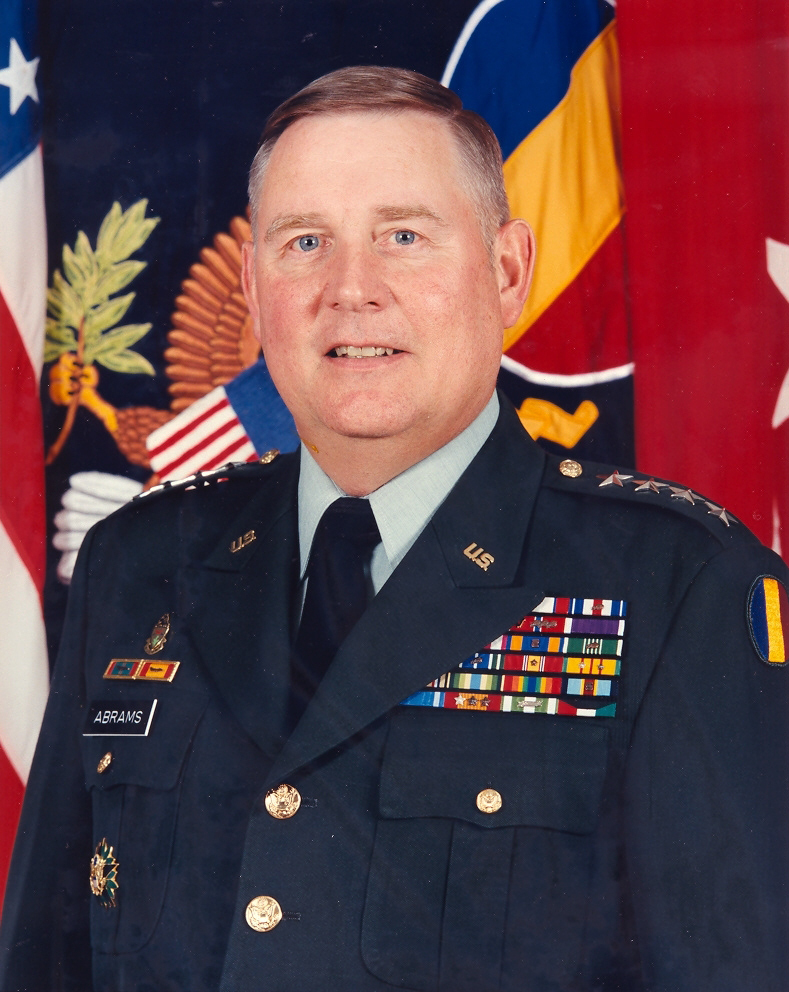
John N. Abrams (1946–2018) was a four‑star general in the United States Army who led Training and Doctrine Command (TRADOC) from 1998 to 2002 and served in the Vietnam War.

Overview
General John Nelson Abrams (September 3, 1946 – August 20, 2018) was a senior officer of the United States Army. He attained the rank of four‑star general and is best known for serving as commander of the Army's Training and Doctrine Command (TRADOC) from 1998 until his retirement in 2002. Born in Cumberland, Maine, Abrams spent a career in uniform that included combat service during the Vietnam War and many years in both operational and institutional assignments.
Image gallery
7 Images



Military career and roles
Abrams rose through a variety of command and staff positions over several decades. His responsibilities culminated at TRADOC, the headquarters responsible for shaping Army doctrine, leader development, training systems and the preparation of the force for future conflicts. In that capacity he oversaw programs and initiatives intended to adapt training and organization to evolving technologies and strategic demands at the turn of the 21st century.
TRADOC command and legacy
As TRADOC commander, Abrams presided over the institutional side of the Army: doctrine development, professional military education, and soldier training requirements. TRADOC leaders influence how formations train, how leaders are developed, and what capabilities the force prioritizes. Abrams' tenure coincided with a period of technological change and evolving operational concepts; his command contributed to the institutional continuity that prepares soldiers and units for deployment.
Personal background and death
John N. Abrams came from a family with deep Army ties; he was a member of a military household and followed a professional path in service to the nation. After more than three decades of active duty service and leadership, he retired in the early 2000s. Abrams died on August 20, 2018 in Arlington, Virginia, at age 71.
Notable facts
- Attained four‑star rank and served as commander of TRADOC (1998–2002).
- Combat veteran of the Vietnam War and career Army officer.
- Part of a family with a long tradition of military service; his life reflected both operational command and institutional leadership.
General Abrams is remembered for leading an organization charged with preparing the Army’s people, doctrine and training for contemporary and future missions. For further context on the organizations and conflicts associated with his career see the linked references above.
Related articles
Author
AlegsaOnline.com John N. Abrams (1946–2018) — U.S. Army four‑star general Leandro Alegsa
URL: https://en.alegsaonline.com/art/50743
Sources
- defenselink.mil : "General Officer Announcement 334-98"
- armytimes.com : Retired Gen. John Abrams, former TRADOC commander from a family of four-stars, dies at 71