
John Hughes (filmmaker): life, career, and influence
Overview of John Hughes (1950–2009), American writer-director-producer known for 1980s teen films and family comedies set in the Chicago area, his style, career milestones, and notable films.
Overview
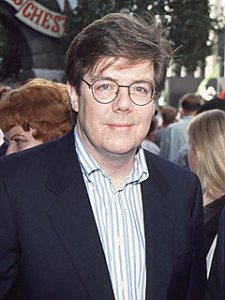
John Wilden Hughes Jr. (February 18, 1950 – August 6, 2009) was an American filmmaker known for shaping a generation of popular cinema with a string of commercially successful and culturally influential comedies and coming-of-age dramas. Born in Lansing, Michigan, he spent his childhood in Grosse Pointe and later in Northbrook, a suburb of Chicago, Illinois. He died suddenly of a heart attack while traveling in Manhattan, New York City.
Image gallery
2 Images
Style and recurring themes
Hughes's films are frequently set in Midwest suburbs and tend to center on family dynamics, adolescent anxieties, and the clash between youthful idealism and adult compromise. His movies blend broad comedy with moments of sincere emotion and moral simplicity, often using contemporary pop music and tightly observed details of teenage life to create memorable characters. Many of his stories feature ensemble casts, sympathetic outsiders, and a willingness to treat teen protagonists with seriousness and dignity—an approach that helped elevate the teen film into a lasting cinematic category.
Career development and influence
Hughes began his professional life as a writer, contributing to humor publications before moving into screenwriting for Hollywood in the late 1970s and early 1980s. He achieved early commercial success penning and producing mainstream comedies, then turned to directing in the mid-1980s. His directorial debut and subsequent films made him a prominent voice in 1980s American cinema, especially in portrayals of adolescence. Over time he also produced and wrote family-oriented studio pictures, extending his influence into broader comedic fare.
Notable collaborations and impact
Hughes frequently cast and collaborated with a core group of performers and behind-the-scenes talent, contributing to the career development of several young actors. His work influenced later filmmakers interested in teen narratives and helped establish many tropes—such as the high school archetypes and suburban milieu—that persist in media about adolescence. Critics and audiences recognize his knack for combining humor with pathos, creating films that remain points of reference in popular culture.
Selected filmography
- National Lampoon's Vacation — early commercial screenplay success that helped launch his Hollywood career.
- Sixteen Candles — one of his first directorial efforts focusing on teen life and romantic mishaps.
- The Breakfast Club — an ensemble drama about disparate high school students sharing a Saturday detention.
- Weird Science — a comic fantasy about two teens who create an ideal companion.
- Pretty in Pink — a romantic drama about class divisions and young love.
- Ferris Bueller's Day Off — a comedic celebration of youthful rebellion and ingenuity.
- Some Kind of Wonderful — a romantic drama that revisits many of his familiar themes.
- Planes, Trains and Automobiles — a road comedy exploring unlikely friendship and travel mishaps.
- Uncle Buck — a family comedy about a reluctant guardian discovering responsibility.
- Home Alone — a widely popular family comedy he wrote and produced, notable for its box-office success.
- Career Opportunities — a romantic comedy set in a large retail store after hours.
- Curly Sue — a family-oriented film blending comedy with sentiment.
- 101 Dalmatians — a studio family film produced during his later career phase.
- Home Alone 3 — an entry in a franchise that began with his earlier involvement in the series.
- Maid in Manhattan — an example of his later producing and writing work in romantic comedy.
- Drillbit Taylor — a later comedy project reflecting his ongoing interest in youth-focused stories.
Legacy and distinctions
John Hughes is remembered for bringing authenticity and emotional warmth to mainstream comedy and teenage drama. His Chicago-area settings and attentiveness to adolescent voice made many of his films feel immediate and relatable to audiences in the 1980s and beyond. While some aspects of his early films have been reassessed over time, his influence on the teen-film genre and popular culture remains widely acknowledged. For readers interested in learning more, selected credits and background material are available via film databases and retrospectives: selected works and resources.
Further reading: career retrospectives, interviews, and critical essays provide context on his creative process and the cultural reception of his films.
Related articles
Author
AlegsaOnline.com John Hughes (filmmaker): life, career, and influence Leandro Alegsa
URL: https://en.alegsaonline.com/art/50681