
John Jacob Astor IV — American businessman, inventor and Titanic passenger
Prominent American heir, real-estate developer, inventor and author (1864–1912); served in the Spanish–American War and died aboard the RMS Titanic. Known for his Gilded Age public life and cultural legacy.
John Jacob Astor IV (July 13, 1864 – April 15, 1912) was an American businessman, real-estate developer, investor, inventor and writer who was a prominent figure in New York society during the Gilded Age. A member of the extended Astor family, he combined inherited wealth with active investment and entrepreneurial projects, and he took a public role in civic, technological and literary circles. His death in the sinking of the RMS Titanic made him one of the best-known victims of the disaster and shaped part of the public memory of that event.
Image gallery
10 Images



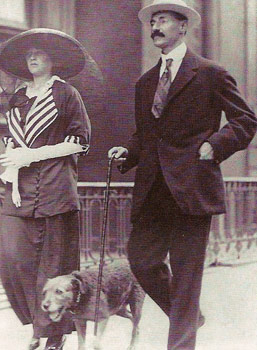
Early life and education
Born in Rhinebeck, New York, Astor was raised in a family long associated with property holdings and social prominence in New York City. He attended preparatory schools and studied at Harvard University, where he pursued engineering and related studies that influenced later interests in design and mechanical ideas. For biographical overviews and archival materials related to his family and career, see contemporary resources and profiles about his life and the Astor family.
Business career and inventions
Astor was active in Manhattan real estate and hotel development and invested in projects that reflected the rapid urban expansion of the late 19th century. He is often described as a hands‑on investor who combined traditional estate management with new ventures. He also developed and applied for patents for mechanical devices and domestic conveniences of his period, reflecting a practical interest in engineering and improvement of everyday life.
- Real estate and hotels: investor and developer involved in New York City enterprises.
- Invention: pursued technological ideas and patents for commercial and household use.
- Writing: authored speculative fiction, notably the novel A Journey in Other Worlds, which expressed an interest in futurism and imaginative travel.
- Military service: served with a volunteer regiment and held a commission as a lieutenant colonel during the Spanish–American War.
Personal life
Astor married twice. His first marriage, to Ava Lowle Willing in 1891, produced two children and ended in divorce in 1909. In 1911 he married Madeleine Talmage Force; the couple were aboard the Titanic on its maiden voyage and a child from this second marriage was born after his death. His social position, marriages and public activities kept him in the headlines of his day and contributed to his later historical prominence.
Titanic and death
In April 1912 Astor and his young wife were passengers on the RMS Titanic. When the ship struck an iceberg and sank in the early hours of April 15, Astor did not survive. Contemporary reports noted that his passing received wide attention because of his status. His body was recovered, identified and returned to New York, where arrangements were made for burial and settlement of his estate. Further contemporary and modern accounts discuss the responses of survivors and the legal and financial aftermath.
Legacy and portrayals
Astor’s life is often cited as illustrative of wealth, innovation and public visibility during the Gilded Age and as an example of how a single catastrophe can focus public attention on social divisions and personal stories. He has been depicted in documentaries, books and films about the Titanic. In James Cameron’s film Titanic, directed by James Cameron, he is portrayed on screen by actor Eric Braeden. For additional reading on Astor’s career and historical context, consult biographical entries and archival collections related to his education and public life.
Scholars and popular writers continue to examine Astor’s role in urban development, his technological interests, and the ways his personal story has been remembered in narratives about class, privilege and disaster in early 20th‑century America.
Related articles
Author
AlegsaOnline.com John Jacob Astor IV — American businessman, inventor and Titanic passenger Leandro Alegsa
URL: https://en.alegsaonline.com/art/50690
Sources
- titanic-passengers.com : "John Jacob Astor IV"