
John Berryman (1914–1972) — American poet
Profile of John Berryman, influential American poet best known for The Dream Songs, his confessional style, major works, awards, biography, and literary influence.
Overview
John Berryman (October 25, 1914 – 1972) was an American poet whose innovative voice and sustained sequence of poems made him a central figure in twentieth‑century literature. He is often associated with the confessional mode, in which poets examine intimate experience and psychological struggle in strikingly direct language.
Image gallery
4 Images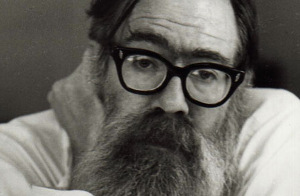


Major works and style
Berryman's best‑known achievement is the long sequence commonly called The Dream Songs, a series of poems that blend humor, self‑reproach, and formal invention. Critics note his use of a recurring persona, shifting meters and registers, and abrupt tonal changes that move between lyric intensity and colloquial speech. His earlier collection Homage to Mistress Bradstreet also attracted attention for its dramatic reimagining of an earlier American poet.
Life and career
Born in McAlester, Oklahoma, Berryman pursued literary studies and held academic posts during his career, combining teaching with periods of intense composition. Personal difficulties, including persistent depression and alcoholism, affected both his life and his poetry; these themes surface frequently in his work and in contemporaneous criticism.
Awards and influence
Recognition for Berryman's achievement included major literary honors, and his work influenced subsequent generations of poets who explored personal subject matter and narrative persona. The Dream Songs in particular is regarded as a landmark for its emotional range and technical daring.
Notable facts
- The Dream Songs employ a fictional speaker who functions as a complex alter ego.
- Berryman's combination of vernacular voice and formal control makes him distinctive among mid‑century American poets.
- His life and writing remain subjects of study for readers interested in lyric voice, identity, and the ethics of self‑revelation in poetry.
Related articles
Author
AlegsaOnline.com John Berryman (1914–1972) — American poet Leandro Alegsa
URL: https://en.alegsaonline.com/art/50555
Sources
- citypages.com : "John Berryman: The Dreamer Awakes."
- poetryfoundation.org : John Berryman profile at The Poetry Foundation