
Johannesburg: South Africa’s largest city and commercial hub
Overview of Johannesburg—history, geography, climate, economy, landmarks and cultural significance, with key facts about its growth from a gold rush town to a modern metropolis.

Overview
Johannesburg is the largest city in South Africa and serves as the administrative capital of the Gauteng Province. Founded in 1886 after the discovery of gold on the Witwatersrand, it quickly developed from a mining camp into a major urban and commercial centre. Locally it is often called Egoli or Jozi, nicknames that refer to the city’s origins as a “place of gold.”
Image gallery
10 Images




Geography and climate
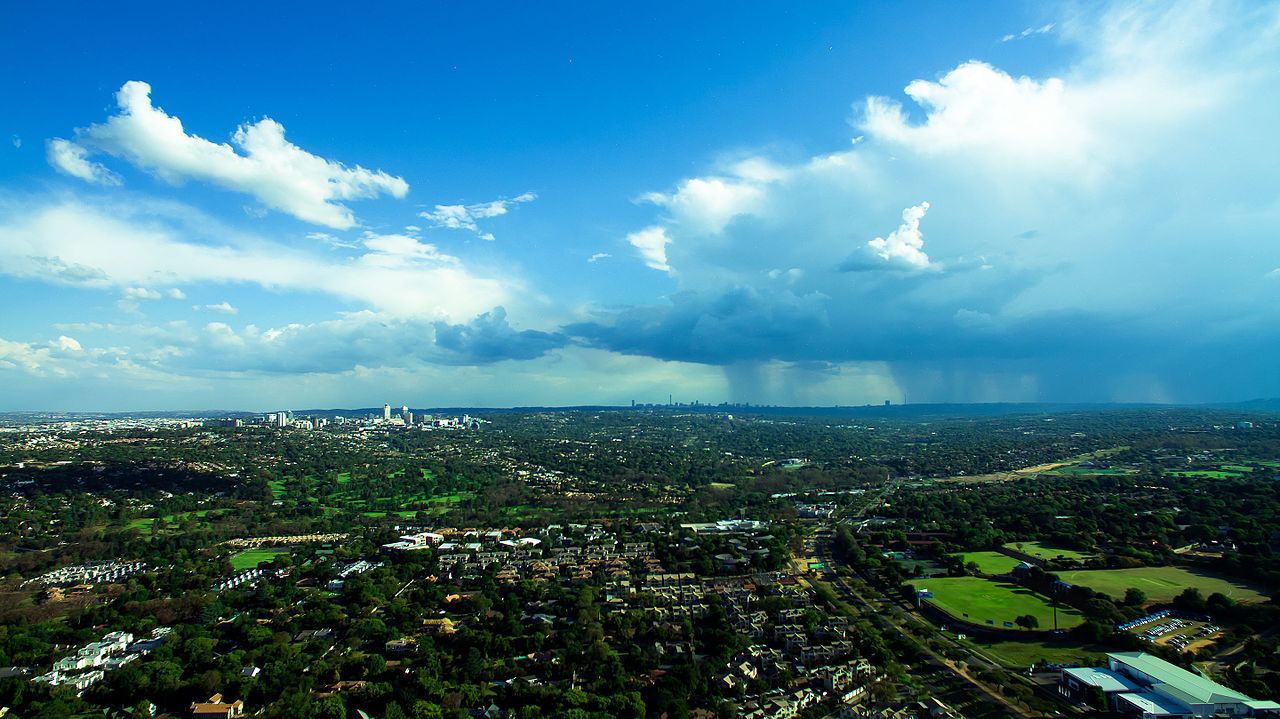
Johannesburg sits on the high plateau of the interior and grew along the mineral-rich Witwatersrand ridge, which shaped its early economy and settlement pattern. The city has a subtropical highland climate, classified under the Köppen climate classification as mild with warm summers and cool, dry winters. Snow is an uncommon event in the region; significant snowfall in the city is rare and has historically occurred only on exceptional occasions (snow is infrequent, occurring perhaps once or twice in a century in observable terms).
History and economy
Johannesburg’s rapid expansion followed the 1886 gold rush on the Witwatersrand. Its economy diversified from mining to finance, manufacturing and services over the 20th century. The city hosts the JSE Securities Exchange, which is widely regarded as the largest stock exchange on the African continent (Africa). Landmark commercial structures reflect this role: the Carlton Centre has long been noted as a prominent office building, while the telecommunications and observation landmark known as the Hillbrow Tower is among the city’s tallest structures.
Landmarks, institutions and culture
Johannesburg combines business districts with residential suburbs, cultural venues and museums that document South Africa’s complex history. Notable institutions include the Johannesburg Zoo, established in the early 20th century; the zoo has historically been home to exotic species and at times housed polar bears (Johannesburg Zoo, including references to polar bears). The city also contains important museums, performing arts venues and universities that serve the wider region.

Uses, importance and notable facts
- Economic hub: Johannesburg is a major finance and commerce centre for South Africa and the region, with a diversified economy beyond its mining origins.
- Cultural role: it hosts museums and memorials that reflect the nation’s political and social history; prominent leaders have strong ties to the city—most notably Nelson Mandela, who spent important parts of his life and final days in the metropolitan area and was honored by the city.
- Urban challenges and growth: like many large metropolitan areas, Johannesburg faces urban planning, housing and infrastructure challenges while continuing to attract people for employment and education.
Today Johannesburg remains primarily a commercial and economic engine for South Africa, with layers of history visible in its neighborhoods, architecture and civic institutions. Readers seeking further information on specific landmarks, climate records, or the city’s development can follow institutional resources and local archives for deeper research.
Related articles
Author
AlegsaOnline.com Johannesburg: South Africa’s largest city and commercial hub Leandro Alegsa
URL: https://en.alegsaonline.com/art/50524