
Johnson County, Kansas
Johnson County is a populous, economically diverse county in northeast Kansas within the Kansas City metropolitan area, known for affluent suburbs, growing communities, and strong schools.
Overview
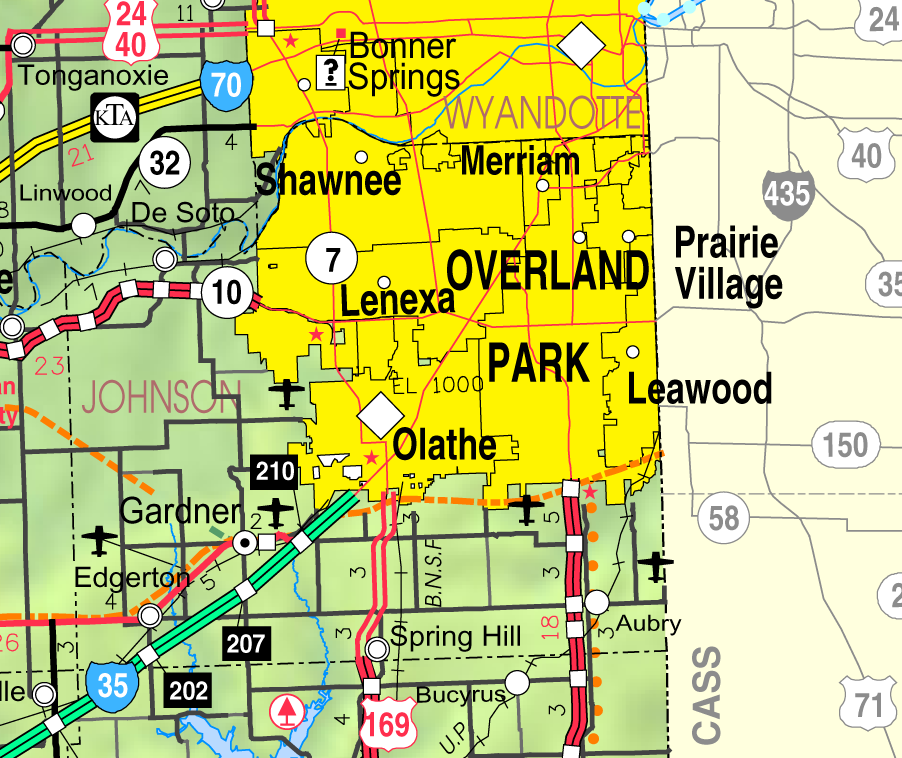
Johnson County (county code JO) occupies a portion of northeastern Kansas and forms a substantial part of the Kansas City metropolitan area. Once largely rural, the county has evolved into a suburban and economic hub that contains many of the region's wealthier suburban communities. According to the 2010 census, the population was 544,179, reflecting decades of steady growth driven by housing development and employment opportunities.
Image gallery
7 Images




Geography and characteristics
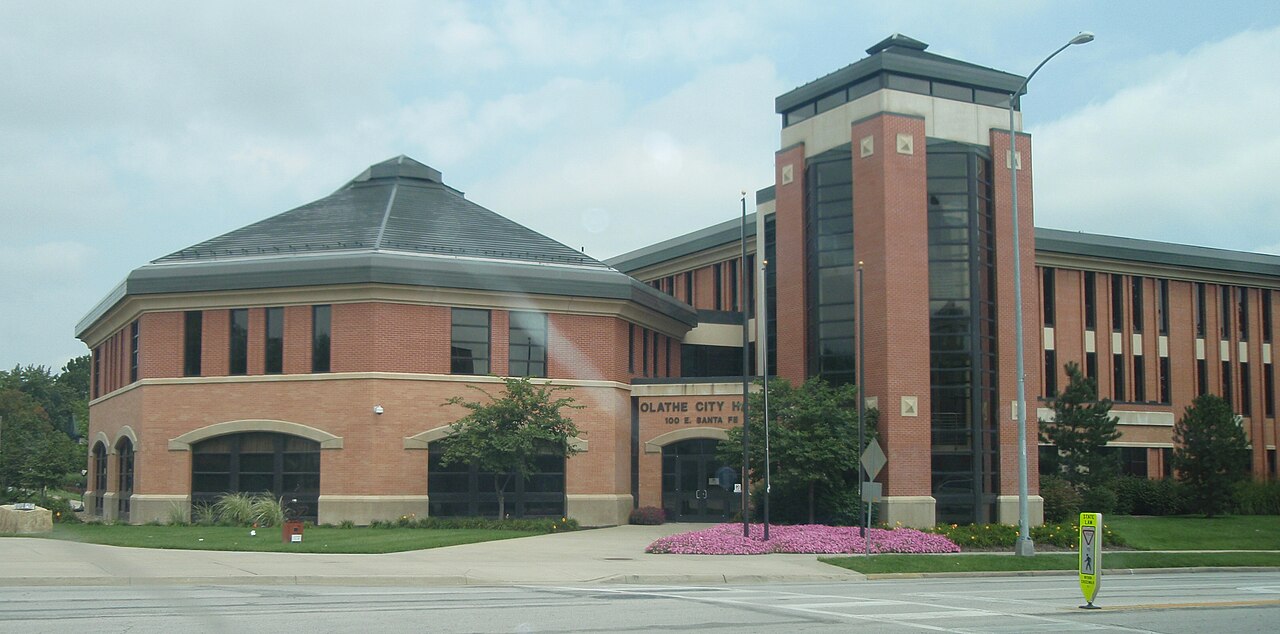
Johnson County combines residential neighborhoods, commercial corridors and preserved open space. Major transportation arteries provide access to the wider metropolitan region and support commuting patterns. The county seat is Olathe, while the largest city by population is Overland Park. These municipalities, together with others in the county, host a mix of retail centers, corporate offices, parks and public services.
Communities
Important cities and towns in the county include:
- Olathe — county seat with civic institutions and growing neighborhoods
- Overland Park — the most populous city and a center for business and culture
- Shawnee — a long-established suburban community with parks and schools
- Lenexa, Leawood, Prairie Village, Gardner and smaller municipalities that form a contiguous suburban region
History and development
The county's development mirrored broader patterns of American westward expansion and suburbanization: early agricultural settlement gradually gave way to subdivisions, shopping districts and light industry as Kansas City expanded. Over the late 20th and early 21st centuries, investment in infrastructure, schools and commercial developments accelerated population growth and diversified the local economy.
Economy, education and quality of life
Johnson County's economy includes retail, professional services, healthcare, education and technology firms. Public and private schools in many districts are regarded as strong, and institutions such as community colleges and regional training centers support workforce development. Quality-of-life measures—parks, recreation, and neighborhood amenities—help explain recurring high placements in national "best places to live" lists for several of the county's cities.
Notable facts and governance
Local government provides public safety, planning, and social services across urban and suburban settings. The county is politically and demographically dynamic; its suburban character and proximity to a major metro area shape policy priorities such as transportation, land use and economic development. For more detailed information on municipal services and planning documents, consult the county government pages and local city resources.
For official or statistical resources, see county and municipal pages as well as regional planning and census profiles: Johnson County government, metro planning authorities and demographic reports available from public agencies.
Questions and answers
Q: What is the county code for Johnson County?
A: The county code for Johnson County is JO.
Q: What metropolitan area does Johnson County belong to?
A: Johnson County belongs to the Kansas City metropolitan area.
Q: How many people lived in Johnson County according to the 2010 census?
A: According to the 2010 census, 544,179 people lived in Johnson County.
Q: What is the county seat of Johnson County?
A: The county seat of Johnson County is Olathe.
Q: What is the most populous city in Johnson County?
A: The most populous city in Johnson County is Overland Park.
Q: In what year did Money magazine rank Overland Park 7th and Shawnee 17th on its list of 100 Best Cities in which to live?
A: Money magazine ranked Overland Park 7th and Shawnee 17th on its list of 100 Best Cities in which to live in 2010.
Q: In what year did Money magazine rank Olathe 11th on its list of 100 Best Cities in which to live?
A: Money magazine ranked Olathe 11th on its list of 100 Best Cities in which to live in 2008.
Related articles
Author
AlegsaOnline.com Johnson County, Kansas Leandro Alegsa
URL: https://en.alegsaonline.com/art/50923
Sources
- factfinder2.census.gov : "2010 County Population and Housing Occupancy Status"
- naco.org : "Find a County"
- money.cnn.com : "Money Magazine"
- money.cnn.com : "Best Places to Live 2008 – Kansas"
- ksrevenue.org : "Map of Wet and Dry Counties"
- census.gov : "Census 2000 U.S. Gazetteer Files: Counties"
- factfinder2.census.gov : factfinder2.census.gov/faces/tableservices/jsf/pages/productview.xhtml?src=bkmk