
Jimmy Breslin: New York Columnist, Novelist, and Investigative Voice
Profile of Jimmy Breslin (1928–2017), the Pulitzer-winning New York journalist and author known for working-class columns, investigative reporting, books, and influence on city life and media.
Overview
James Earle "Jimmy" Breslin (October 17, 1928 – March 19, 2017) was an influential American journalist and author whose reporting and columns chronicled everyday life in New York. He wrote for newspapers across the city for decades and continued producing a column for the Pulitzer Prize-winning New York Daily News Sunday edition late into his life. His plainspoken, streetwise voice made him a widely read commentator on urban life and politics.
Image gallery
2 Images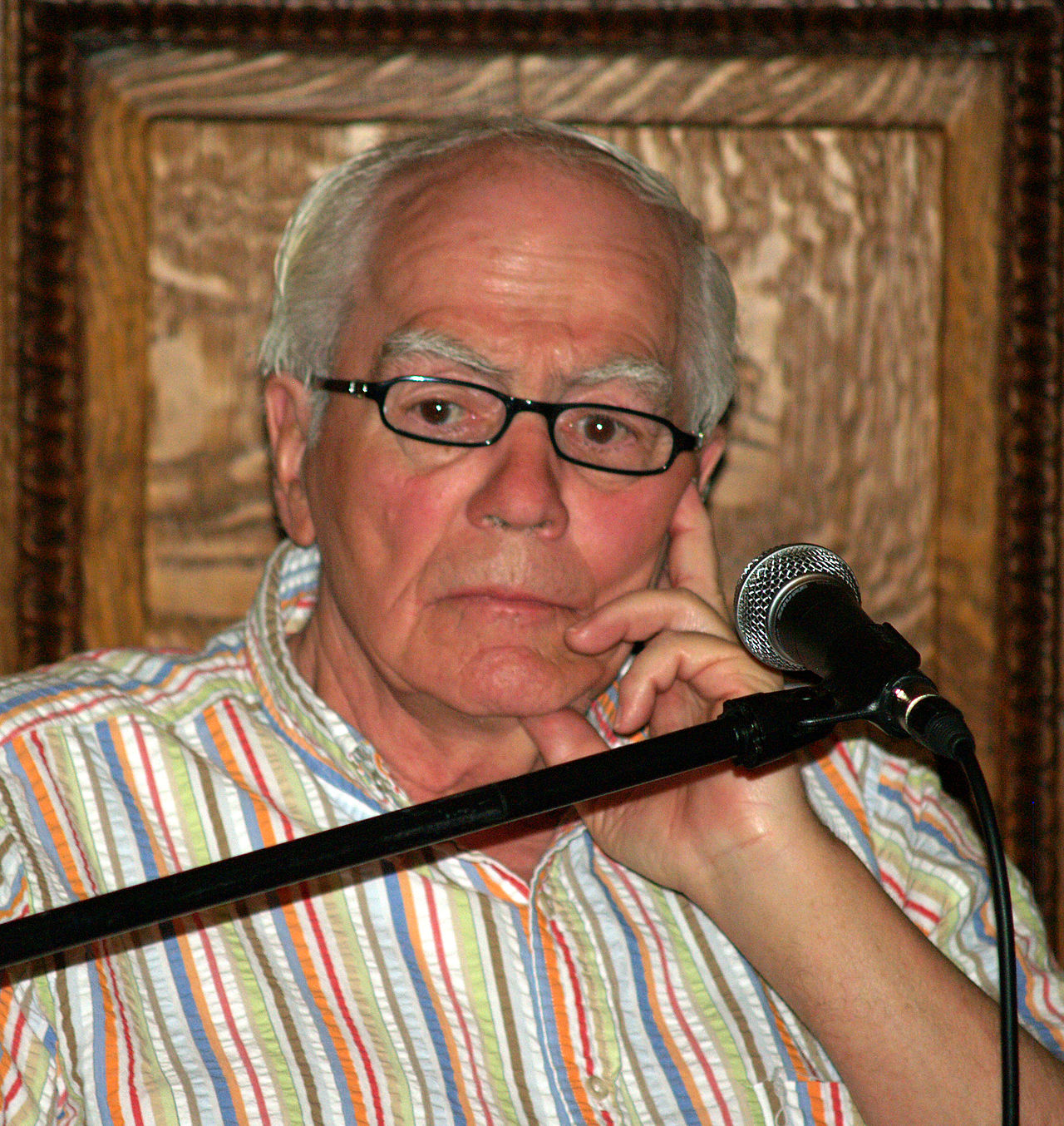

Career and recognition
Breslin began his career in local journalism and eventually became a household name in New York. He served for many years as a regular columnist for the Long Island newspaper Newsday, retiring from a regular role there in 2004 while still contributing occasional pieces. In 1986 he received the Pulitzer Prize for Commentary, a recognition that reflected his sustained, distinctive voice on social issues, politics and the gritty details of city life.
Style, themes and notable works
Breslin's writing is widely described as conversational, empathetic toward working-class New Yorkers, and full of vivid character portraits. He often focused on ordinary people caught up in extraordinary circumstances. Among his better-known books are the sports-tinged account Can't Anybody Here Play This Game? (1962) and the crime-satire novel The Gang That Couldn't Shoot Straight (1969). He also made a cameo as himself in the film Summer of Sam (1999), reflecting his status as a recognizable New York figure.
Investigations and public impact
Beyond commentary, Breslin engaged in investigative reporting that exposed corruption and brought public attention to criminal cases. His work was associated with coverage of organized crime and other notorious New York cases; he reported on figures tied to the city's underworld, including reporting that touched on stories about alleged involvement by people connected to the mafia and personalities such as Henry Hill. He also wrote about the serial killer David Berkowitz and pursued stories that shone light on municipal corruption, including reporting on the conduct of a Queens official whose troubles culminated in public scandal and suicide.
Personal life and background
Breslin was born and raised in Queens, part of the broader fabric of New York City that he frequently described. He attended Long Island University from 1948 to 1950 but left before completing a degree. He married Rosemary Dattalico in 1954; after her death in 1981 he later married Ronnie Eldridge in 1982. Breslin was a father of six.
Legacy and death
Breslin's legacy lies in his combination of investigative instincts, populist sympathy and a punchy prose style that influenced generations of city reporters. He used humor, outrage and tenderness to bring attention to people often marginalized in mainstream coverage. He died at his home in Manhattan on March 19, 2017, from complications of pneumonia, at the age of 88. His columns and books remain reference points for writers and readers interested in urban life, politics and the craft of candid, human-focused journalism.
Selected topics and further reading
- Major books: Can't Anybody Here Play This Game?; The Gang That Couldn't Shoot Straight.
- Awards: Pulitzer Prize for Commentary (1986).
- Notable coverage: reports on municipal corruption in Queens Borough, organized crime, and high-profile criminal cases affecting New Yorkers.
Related articles
Author
AlegsaOnline.com Jimmy Breslin: New York Columnist, Novelist, and Investigative Voice Leandro Alegsa
URL: https://en.alegsaonline.com/art/50264
Sources
- nytimes.com : "Jimmy Breslin, Legendary New York City Newspaper Columnist, Dies at 88"
- worldcat.org : 0362-4331
- usatoday.com : "'End of an era': Jimmy Breslin, legendary columnist, dies in New York"