
Jhelum River: geography, history, and significance
The Jhelum River (Hydaspes) rises in Kashmir, flows through Srinagar and Pakistan’s Jhelum District, and is a western tributary of the Indus system. Important for irrigation, hydroelectric power and regional history.
The Jhelum River (also spelled Jehlum) is a major watercourse in the northwestern Indian subcontinent. Rising in the Pir Panjal range of the Kashmir region, it flows northwest through the Kashmir Valley, enters Pakistan-administered territory, and eventually becomes part of the Indus river system. Its length is commonly given as about 480 miles (774 kilometres). The river lends its name to the city and administrative region of Jhelum District.
Image gallery
10 Images

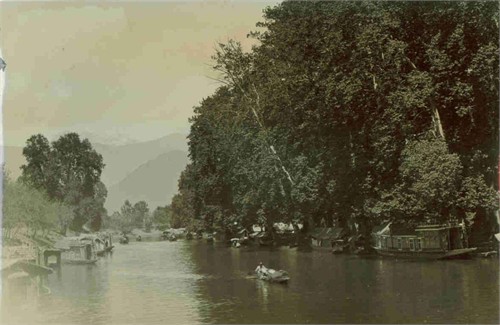


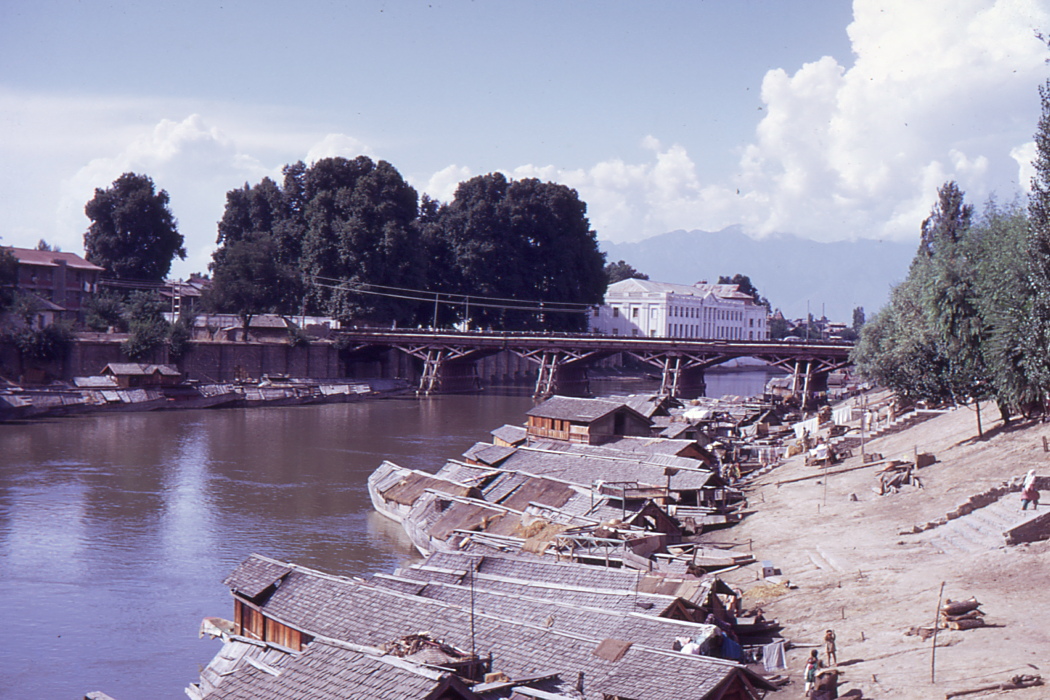

Physical characteristics and course
The Jhelum begins near Verinag spring and passes through the Srinagar basin, where it receives waters from lakes and smaller streams. It flows north and west, crossing varied terrain from mountain gorges to fertile plains. In Pakistan the river is impounded by Mangla Dam, which forms a large reservoir used for storage and power generation. The Jhelum is one of the five rivers historically associated with Punjab and functions as a tributary within the larger Indus river network; its role as a tributary connects mountain runoff to downstream irrigation systems.
History and cultural importance
In ancient sources the Jhelum was called the Hydaspes. It was the site of a famous encounter between Alexander the Great and King Porus in 326 BCE, which has been recounted by classical historians. Over centuries the river has shaped settlement, trade routes and local cultures in Kashmir and the Punjab plains. Towns and agricultural communities have long depended on its seasonal flows.
Uses and infrastructure
Today the Jhelum is valued for irrigation, municipal water supply and hydroelectricity. Mangla Dam, one of Pakistan’s major reservoirs, regulates flows and produces electricity while supporting downstream agriculture. The river’s waters feed wetlands and lakes in the Kashmir valley, which have ecological and recreational importance.
Environment and challenges
The Jhelum basin supports diverse freshwater habitats and fertile agricultural land but also faces pressures from sedimentation, pollution and seasonal flooding. Changes in land use, upstream water management and climate variability affect flow patterns. Local and transboundary water-management efforts address issues of storage, flood control and demand for irrigation and power.
Notable facts and distinctions
- Known in antiquity as the Hydaspes, the river is linked to classical history.
- It is the westernmost of the five rivers of the Punjab region and part of the Indus system.
- Major modern infrastructure on the river includes Mangla Dam; the watercourse also passes through cities such as Srinagar and the namesake Jhelum city.
For readers seeking more detail on administrative divisions, tributary concepts or the wider Indus basin, follow links to regional summaries and hydrology references: local district information, tributary definitions and examples, and broader material on the Indus river network.
Related articles
Author
AlegsaOnline.com Jhelum River: geography, history, and significance Leandro Alegsa
URL: https://en.alegsaonline.com/art/50154