
Jesus Christ Superstar (rock opera by Andrew Lloyd Webber and Tim Rice)
A sung-through rock opera recounting the last week of Jesus’ life, created by Andrew Lloyd Webber and Tim Rice. Originated as a concept album and staged on Broadway and the West End; adapted for film.
Overview
Jesus Christ Superstar is a sung-through stage work that blends rock music with theatrical storytelling. Rather than a traditional book musical, it presents almost all of its narrative through song, portraying the final week in the life of Jesus as filtered through human relationships and political tensions. The piece was written by lyricist Tim Rice and composer Andrew Lloyd Webber, and it helped popularize the idea of the modern rock opera for mainstream audiences.
Image gallery
4 Images


Composition and structure
The work is structured as a dramatic song-cycle rather than a conventional play with dialogue. Musical styles range from pop and rock to gospel-influenced ballads and choral passages. Its focus is less on theological exposition and more on character conflict—most notably the fraught relationship between Jesus and Judas Iscariot—and on public spectacle, power, and doubt.
Production history
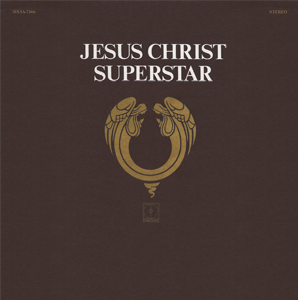
Before appearing on stage, Jesus Christ Superstar was released as a concept album, which introduced the songs to a wide audience. The stage production reached Broadway on 12 October 1971 at the Mark Hellinger Theatre, where it ran to considerable attention and debate; it opened in London’s West End the following year. A high-profile film adaptation followed in 1973, starring Ted Neeley as Jesus and Carl Anderson as Judas, with Yvonne Elliman among the principal cast.
Principal characters and notable songs
- Characters: Jesus, Judas Iscariot, Mary Magdalene, Caiaphas, Pontius Pilate, the disciples, and a crowd chorus.
- Notable songs: "Superstar," "I Don't Know How to Love Him," "Gethsemane (I Only Want to Say)," and several ensemble numbers that drive the narrative.
Reception, controversies and legacy
From its earliest performances the work provoked strong reactions. Supporters praised its contemporary musical language and emotional immediacy; critics and some religious groups questioned its portrayal of sacred figures and its emphasis on human motives over doctrinal detail. Over decades, however, it has been revived many times and adapted into concert, school and professional productions, becoming an influential entry point for rock-inflected musical theatre.
Why it matters
Jesus Christ Superstar occupies a notable place in 20th-century musical culture: it bridged pop music and theatre, introduced theatrical audiences to a popular songwriting duo, and sparked conversations about how modern art can reinterpret historical and religious narratives. For those researching musical theatre history, the show is often studied as an early example of the concept album-to-stage pipeline and as evidence of changing tastes in musical storytelling.
Further reading and archival material are available through historical and theatrical resources on rock opera and the Gospels that inspired the narrative; for context see general entries on the Gospel accounts and the careers of its creators, including Broadway performance histories.
Related articles
Author
AlegsaOnline.com Jesus Christ Superstar (rock opera by Andrew Lloyd Webber and Tim Rice) Leandro Alegsa
URL: https://en.alegsaonline.com/art/50073