
Jizz in My Pants — comedy song and video by The Lonely Island
A 2008 comedy song and sketch by The Lonely Island, released on SNL and YouTube. Notable for its deadpan delivery and celebrity cameo appearances; included on the album Incredibad.
Jizz in My Pants is a comic song and sketch by the American comedy trio The Lonely Island. First performed on Saturday Night Live on December 6, 2008, it was distributed widely as a music video and on video-sharing sites. The piece blends deadpan, absurdist humor with a pop-song format, and it became one of the group’s early viral successes.
Image gallery
1 Image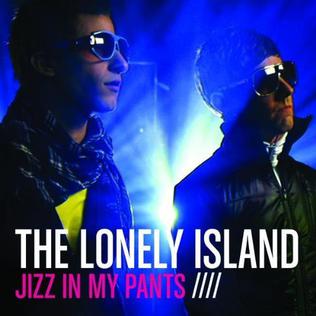
Overview
The work presents a deliberately exaggerated, tongue-in-cheek scenario delivered in the style of a synthetic R&B/hip-hop ballad. Its lyrics describe a series of awkward social situations in which the singers react with mock embarrassment. The contrast between polished production values and awkward subject matter is central to its comedic effect. The song was later included on The Lonely Island’s debut album, Incredibad.
Production and video
The video pairs cinematic staging with intentionally deadpan performances by the trio—Andy Samberg, Jorma Taccone and Akiva Schaffer—supported by professional production, choreography and a concise visual gag structure. It was created for television presentation and adapted for online distribution, where short-form music-comedy often finds a large audience.
Release, performers and credits
- Television debut: Saturday Night Live (December 6, 2008).
- Online publication: initially posted on YouTube.
- Music-video format and official upload: referenced as the single/video on various platforms (music video).
- Performed and credited to The Lonely Island and its members: Andy Samberg, Jorma Taccone and Akiva Schaffer.
- Featured cameo performers include Justin Timberlake, Molly Sims and Jamie-Lynn Sigler.
- Background and promotional notes often describe it as both a sketch and a standalone single (comedy sketch).
Reception and cultural impact
The song was a viral hit and helped establish The Lonely Island’s approach of producing high-quality music-comedy for both television and the internet. It earned widespread attention for its combination of mainstream pop production and deliberately juvenile subject matter. As a result, the group moved from sketch-oriented TV spots to recorded releases and commercial distribution, with the track appearing on their album Incredibad.
Notable facts and distinctions
Critics and audiences noted the contrast between the song’s glossy audio/visual presentation and the intentionally inelegant lyrics. The sketch format—short, repeatable visual jokes tied to a catchy chorus—has been influential in later digital comedy videos. While the title and premise are intentionally provocative, commentary around the piece typically focuses on its comedic technique, cameo usage, and place in the late-2000s rise of viral music comedy.
Related articles
Author
AlegsaOnline.com Jizz in My Pants — comedy song and video by The Lonely Island Leandro Alegsa
URL: https://en.alegsaonline.com/art/50332
Sources
- popwatch.ew.com : "'J In My Pants': The resurgence of Jamie-Lynn Sigler"