
Jigsaw Puzzle: History, Design, Uses, and How to Assemble
An overview of jigsaw puzzles covering their design, history, types, assembly strategies and practical uses in education and therapy. Includes characteristics, manufacturing methods and collecting notes.
A jigsaw puzzle is a tiling puzzle made of many interlocking pieces that together form a complete picture or pattern. Each piece is typically die-cut from a sheet of board or wood and has a portion of the image printed on it. Pieces are assembled by matching portions of the printed image and fitting the tabs and blanks that mechanically join adjacent parts. While often associated with children’s play, jigsaw puzzles range from very simple boards to highly complex compositions intended for adults and collectors.
Image gallery
10 Images
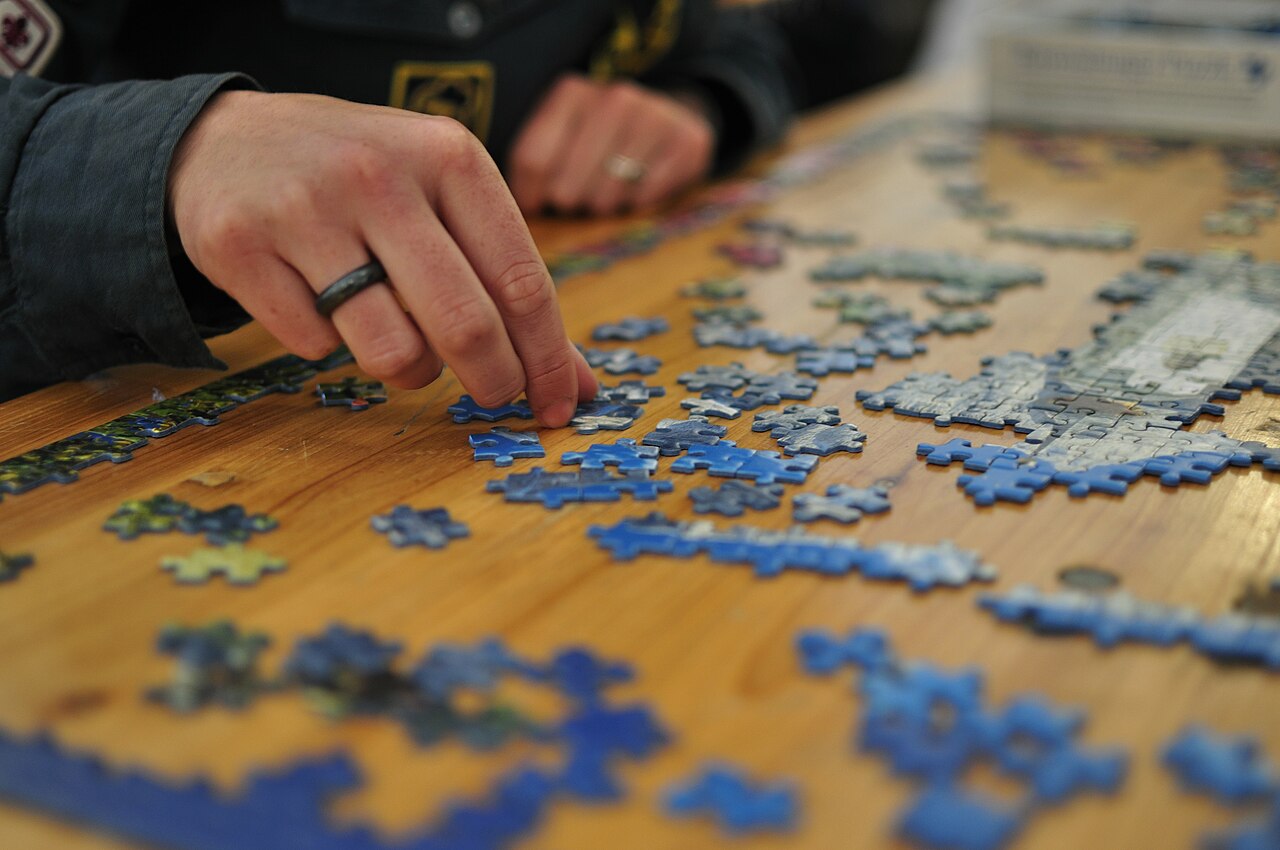

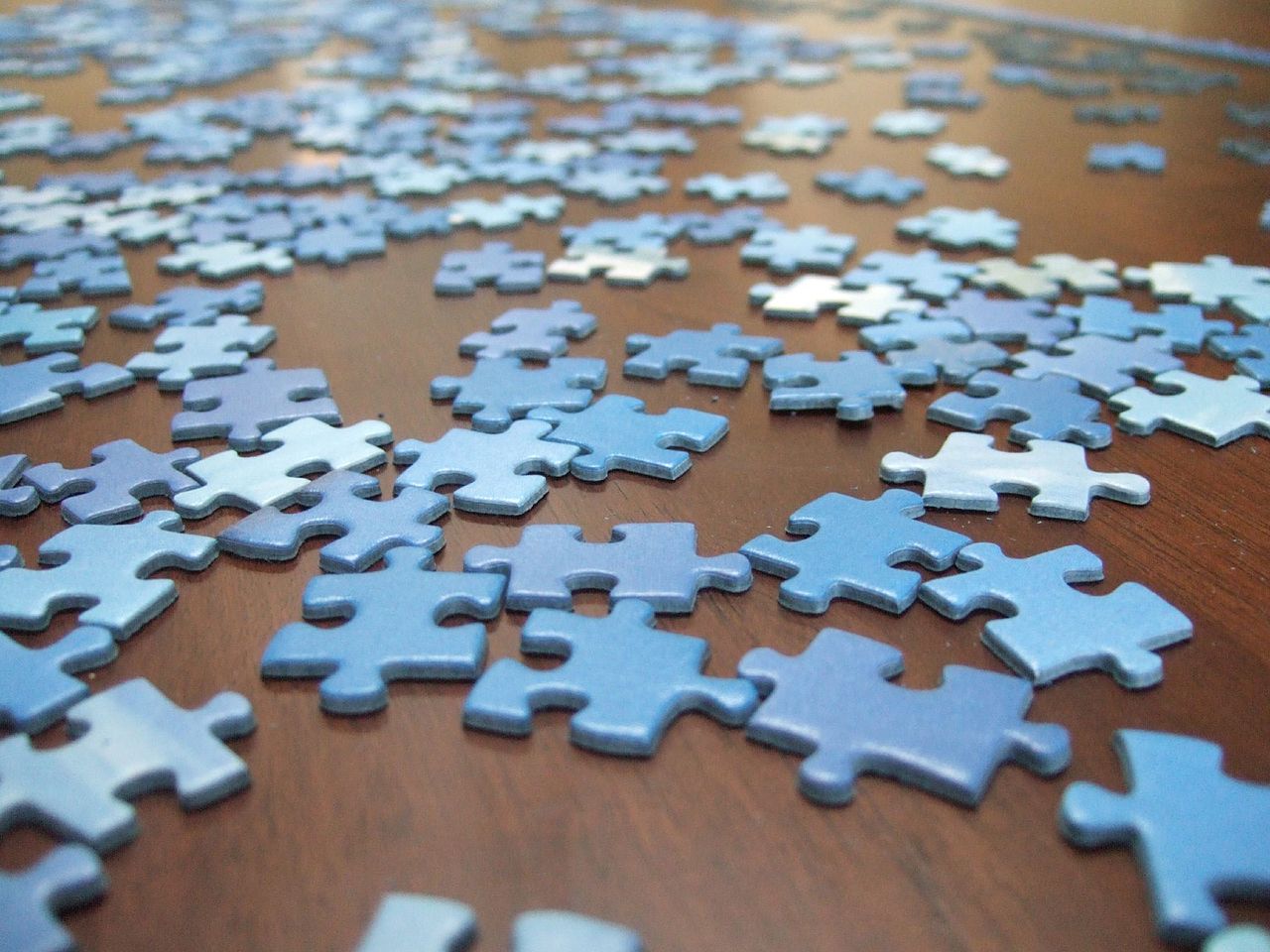


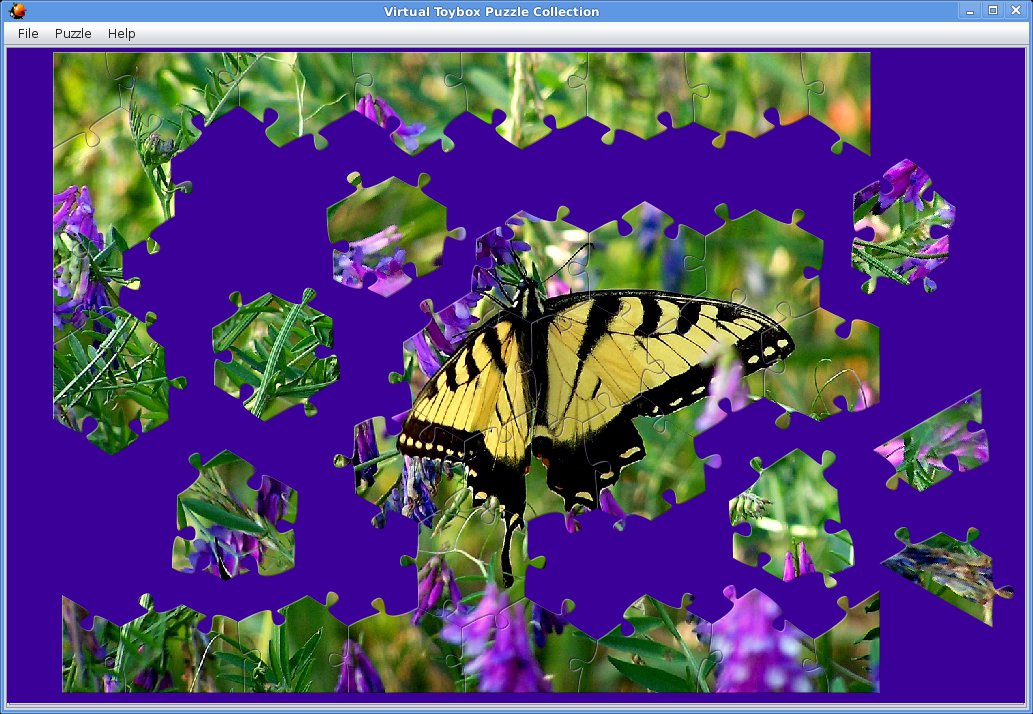
Characteristics and parts
Most jigsaw puzzles share a common set of features: edge and corner pieces that define the picture boundary, interior pieces that connect to neighbors by interlocking shapes, and a printed image that provides visual clues. Modern pieces are usually cardboard with a glossy or matte surface; specialty puzzles use wood, plastic or foam for larger "floor" or 3-D puzzles. The interlocking shapes are often called knobs and sockets, and manufacturers vary the cut style to change difficulty and tactile feedback.
History and development
The jigsaw puzzle originated when maps and pictures were mounted on wood and cut into shapes to aid learning and enjoyment. A mapmaker and engraver is commonly credited with adapting this approach in the 18th century to make educational puzzles. Over the centuries the craft evolved from hand-cut wooden pieces to mass-produced die-cut cardboard sheets and, more recently, laser-cut custom and novelty designs. Changes in printing and cutting technology expanded the variety, enabling thousands of-piece puzzles and intricate irregular cuts.
Types and notable variations
- Traditional flat puzzles with rectangular layouts and a continuous image.
- 3-D puzzles and curved-surface puzzles that assemble into objects or architectural models.
- Floor or poster-sized puzzles intended to be assembled on a flat surface without a table.
- Custom-shaped or whimsical-cut puzzles where pieces form recognizable silhouettes instead of standard tabs and blanks.
Uses, strategies, and importance
People use jigsaw puzzles for entertainment, education and therapy. In classrooms they reinforce spatial reasoning, visual discrimination and topic-specific knowledge when images depict maps, flora, or historical scenes. Therapists use puzzles to encourage fine motor control, patience and cognitive engagement in both children and adults, including as part of cognitive stimulation programs. Common assembly strategies include sorting edge pieces first, grouping by color or pattern, and building small motif sections before joining them to the border.
Collecting, manufacturing and resources
Collectors appreciate puzzle artwork, unusual cuts and limited editions. Manufacturing ranges from high-volume die-cutting to artisanal laser or hand-cut wooden puzzles. For further reading on techniques, manufacturers and community events, follow resources and hobbyist groups at relevant puzzle organizations. Enthusiasts share tips, custom patterns and techniques for storing, preserving and framing completed work.
Related articles
Author
AlegsaOnline.com Jigsaw Puzzle: History, Design, Uses, and How to Assemble Leandro Alegsa
URL: https://en.alegsaonline.com/art/50172
Sources
- wired.com : "Ravensburger Shatters Record with 32,000+ Piece Puzzle"
- barnesandnoble.com : "Online Bookstore: Books, NOOK ebooks, Music, Movies & Toys"