
Abalone — Haliotis sea snails: shells, biology, culinary use, and conservation
Abalone are marine gastropod mollusks (genus Haliotis) prized for their iridescent shells and edible muscle. This article covers their anatomy, distribution, uses, aquaculture, and conservation challenges.
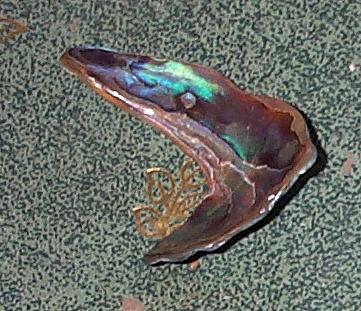
Overview: Abalone (from Spanish Abulón) are marine gastropods belonging to the genus Haliotis. They are a type of edible shellfish known for a single, ear-shaped shell with a nacreous, pearly interior. Common regional names include ormer in parts of the British Isles, general usage in South Africa, and pāua in New Zealand. Abalone species vary in color, size, and local importance but share similar basic biology.
Image gallery
10 Images




Characteristics and anatomy
Abalone have a flattened, rounded shell with a row of respiratory holes, a large muscular foot used for clinging to rock, and a radula (a toothed tongue) for grazing algae. Their inner shell layer is iridescent due to layers of nacre. Typical traits include:
- Single, ear-shaped external shell with perforations for respiration and waste.
- A strong, adhesive foot that resists wave action on rocky shores.
- Herbivorous diet, primarily feeding on kelp and algal films.
Distribution, habitat, and history
Abalone inhabit cold to temperate coastal waters around the world, especially where rocky substrates and kelp forests occur. Indigenous and coastal communities have harvested abalone for centuries for food, shell ornamentation, and trade. Over time, demand transitioned from local subsistence to commercial fisheries and later to aquaculture as wild stocks declined.
Uses and cultural importance
The meat of abalone is prized in many culinary traditions. It is eaten fresh, dried, or processed and features in cuisines across Latin America (notably Chile), Southeast Asia, and East Asia, including China, Japan, and Korea. Shells are used for jewelry, decorative inlays, and traditional crafts. Because of its value, abalone also plays a role in local economies and international trade.
Conservation, aquaculture, and management
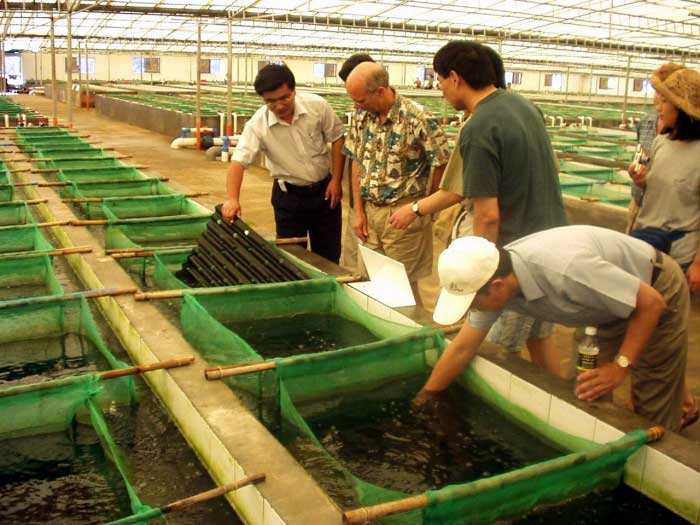
Many wild abalone populations have been reduced by overfishing, illegal harvesting, habitat loss, and disease. Management responses include size and bag limits, closed seasons, marine protected areas, and restoration efforts. Aquaculture and hatchery programs now produce abalone for food and for restocking depleted wild beds; these programs aim to reduce pressure on wild stocks while maintaining genetic and ecological considerations.
Notable facts: Their nacreous shell has been historically prized for inlay work and is a useful indicator of age and growth in scientific studies. Sustainable use of abalone remains a conservation and socioeconomic challenge in many regions.
Questions and answers
Q: What are abalone?
A: Abalone are shellfish, a type of gastropod.
Q: What is the colorful part of abalone called?
A: The colorful part of abalone is called the "pearlescent" inside shell.
Q: What are some other names for abalone?
A: Other names for abalone include ear-shell, ormer in Guernsey, abalone in South Africa, and pāua in New Zealand.
Q: Where is the meat of abalone considered delicious?
A: The meat of abalone is considered delicious in some parts of Latin America (especially Chile), South East Asia, and East Asia (especially in China, Japan, and Korea).
Q: Is abalone a common dish in most parts of the world?
A: No, abalone is not a common dish in most parts of the world.
Q: Do abalone have a popular culinary use?
A: Yes, abalone are prized as a culinary delicacy in many parts of the world.
Q: Are abalone a type of fish?
A: No, abalone are a type of shellfish, specifically gastropods.
Related articles
Author
AlegsaOnline.com Abalone — Haliotis sea snails: shells, biology, culinary use, and conservation Leandro Alegsa
URL: https://en.alegsaonline.com/art/293
Sources
- fish.govt.nz : fish.govt.nz/information/corp-docs/soi-04-08/pau2-industry-association.pdf
- wired.com : "Abalone Farming on a Boat"
- abalonefarm.com : "The Abalone Farm"