
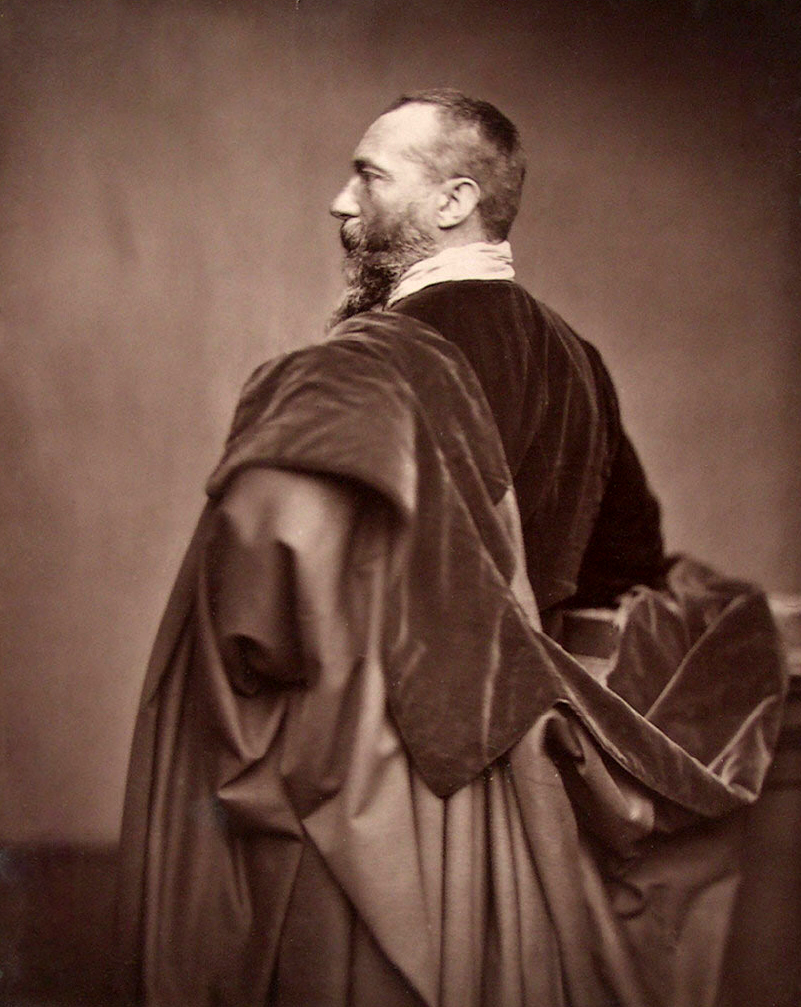
Jean-Baptiste Alphonse Karr (1808–1890)
French critic, satirist, novelist and gardener noted for witty aphorisms, editorship of Le Figaro and satirical journals; remembered also for promoting bamboo cultivation and lending his name to a bamboo cultivar.
Overview
Jean-Baptiste Alphonse Karr was a 19th-century French critic, journalist and novelist celebrated for his sharp satire, concise epigrams and interest in horticulture. Born in Paris in 1808 and dying in Saint-Raphaël, Var, in 1890, Karr combined literary activity with practical writing about gardens and travel. His style mixed social commentary with a light, often ironic touch that influenced French periodical culture of his era.
Image gallery
5 Images


Career and writings
Karr worked as an editor and columnist and founded or contributed to several journals that specialized in satire and criticism. He became editor of Le Figaro in 1839 and is associated with short, punchy sayings—one of his best known epigrams is often quoted in French as "plus ça change, plus c'est la même chose" (the more things change, the more they stay the same). His output included novels, sketches and travel- or garden-oriented essays intended for an educated public.
Gardening, bamboo and practical interests
Beyond letters, Karr took an active interest in gardening. He wrote about plants and the pleasures of cultivating a personal garden, combining practical observation with literary reflection. His enthusiasm for ornamental bamboos helped popularize certain species in European gardens. A bamboo cultivar bearing his name—sold under the horticultural name Bambusa multiplex 'Alphonse Karr'—is noted for its yellow canes banded with green and remains familiar to gardeners today.
Selected themes and works
- Satire and social criticism: brief, epigrammatic pieces aimed at manners and institutions.
- Journalism and editorship: leadership roles in influential French periodicals of the mid-19th century.
- Garden writing and travel sketches: essays that blend observation, cultivation advice and personal reflection.
Legacy and notable facts
Karr is remembered both for his literary voice and for bridging cultural and practical interests — a literary man who wrote about real gardens and plants. Family ties brought him into contact with other accomplished figures: his brother Eugène was an engineer, and members of his family continued to be involved in letters and social causes. Today Karr is cited for his aphorisms, his place in French journalistic history, and the horticultural connection that carries his name into gardens outside France.
Related articles
Author
AlegsaOnline.com Jean-Baptiste Alphonse Karr (1808–1890) Leandro Alegsa
URL: https://en.alegsaonline.com/art/49696
Sources
- beautiful-tropical-gardens.com : "Bambusa multiplex Alphonse Karr"