
Jean Baptiste Point du Sable — founder of Chicago
Jean Baptiste Point du Sable (before 1750–1818) was an 18th-century trader and pioneer credited as the first permanent non‑Indigenous settler at the site of Chicago and a foundational figure in the city's history.
Overview
Jean Baptiste Point du Sable is widely recognized as the first permanent non‑Indigenous settler at the place that became the city of Chicago. Active in the late 18th century, he established a farm and trading post near the mouth of the Chicago River and maintained commercial and social ties with Indigenous nations, voyageurs, and traders. His settlement is often described as the seed of urban development in what later became the state of Illinois.
Image gallery
4 Images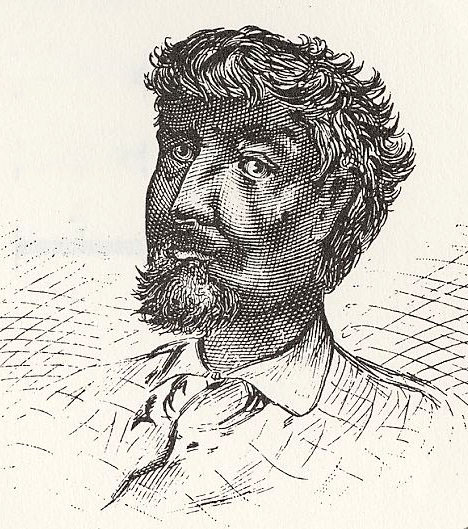

Settlement and activities
Point du Sable built a substantial dwelling, outbuildings and cultivated land where the river meets the lake, operating a mixed enterprise of farming, blacksmithing, and trade. Contemporary and later accounts describe his property as well kept and prosperous for its time, serving both Indigenous customers and European settlers. He spoke multiple languages and acted as an intermediary in regional commerce, which contributed to the strategic importance of his location.
Origins and identity
The exact details of Point du Sable's birth and early life are uncertain. He was of African descent and is often reported to have been born in the Caribbean colony of Saint‑Domingue (now part of present‑day Haiti) or to have family roots in the French colonial Atlantic world. Documentary evidence from his lifetime is sparse, and historians caution that many aspects of his biography remain open to interpretation.
Later life and death
By around 1800 Point du Sable sold his property and left the Chicago area; later owners and new settlers transformed the site into a growing trading post and, eventually, a city. He spent his final years away from Chicago and died on August 18, 1818, in St. Charles, Missouri. Records of his later activities are limited, but his role in the region's early history was noted by subsequent chroniclers.
Legacy and recognition
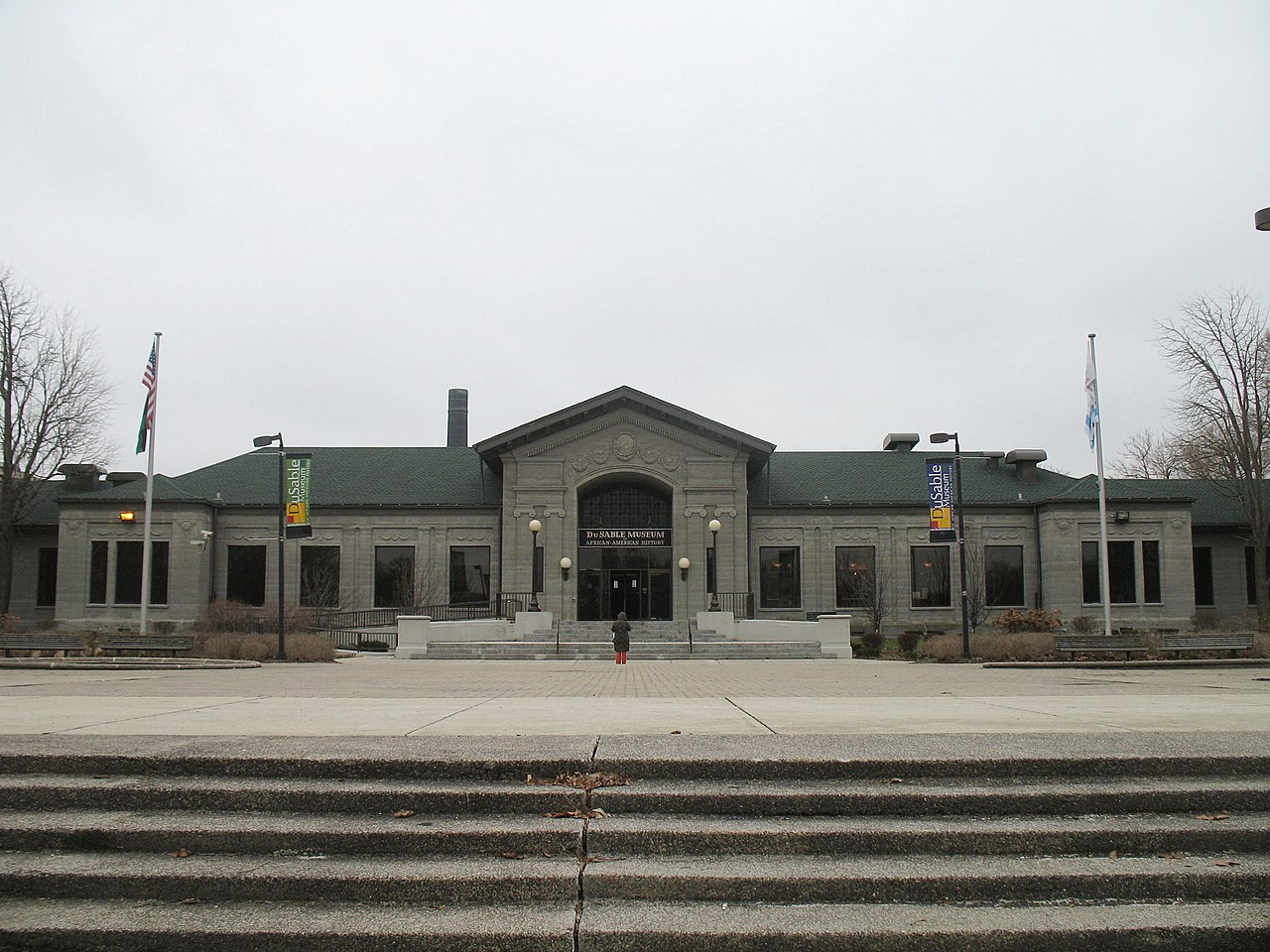
For much of the 19th century Point du Sable's contributions were overshadowed in popular narratives, but 20th‑ and 21st‑century scholarship and public commemoration revived his prominence as Chicago's founding figure. Museums, plaques, parks and public dedications now honor his place in the city's origins, and his life is discussed in studies of early frontier commerce, African diasporic presence in North America, and Indigenous‑Euro‑Atlantic interactions.
Notable facts
- Founder: Often described as the first permanent non‑Indigenous settler at Chicago.
- Trader and farmer: Ran a mixed trading post and cultivated land at a strategic riverside location.
- Uncertain origins: Birthplace and early years are debated among historians.
- End of life: Died in 1818 in St. Charles, with his Chicago property transferred around 1800.
Because primary records are limited, accounts of Point du Sable combine contemporary references, later recollections and historical interpretation. His story remains important both as a local origin narrative for Chicago and as an example of the diverse peoples who shaped the early American frontier.
Related articles
Author
AlegsaOnline.com Jean Baptiste Point du Sable — founder of Chicago Leandro Alegsa
URL: https://en.alegsaonline.com/art/49699
Sources
- archive.org : Jean Baptiste Pointe De Sable Founder Of Chicago