
Jay (Corvidae bird)
Jays are medium-sized, often colorful corvids known for loud calls, intelligence, omnivorous diets and habit of caching seeds; they occur across Eurasia and the Americas and play roles in ecosystems and culture.
The term "jay" refers to a group of medium-sized birds in the crow family Corvidae known for bright plumage, loud voices and bold behavior. Jays are passerine birds with strong bills and agile feet, and many species are recognized by distinctive color patterns such as blue, black, white or rufous patches. Taxonomically they appear in several genera; for a broader taxonomic summary see Corvidae overviews.
Image gallery
10 Images


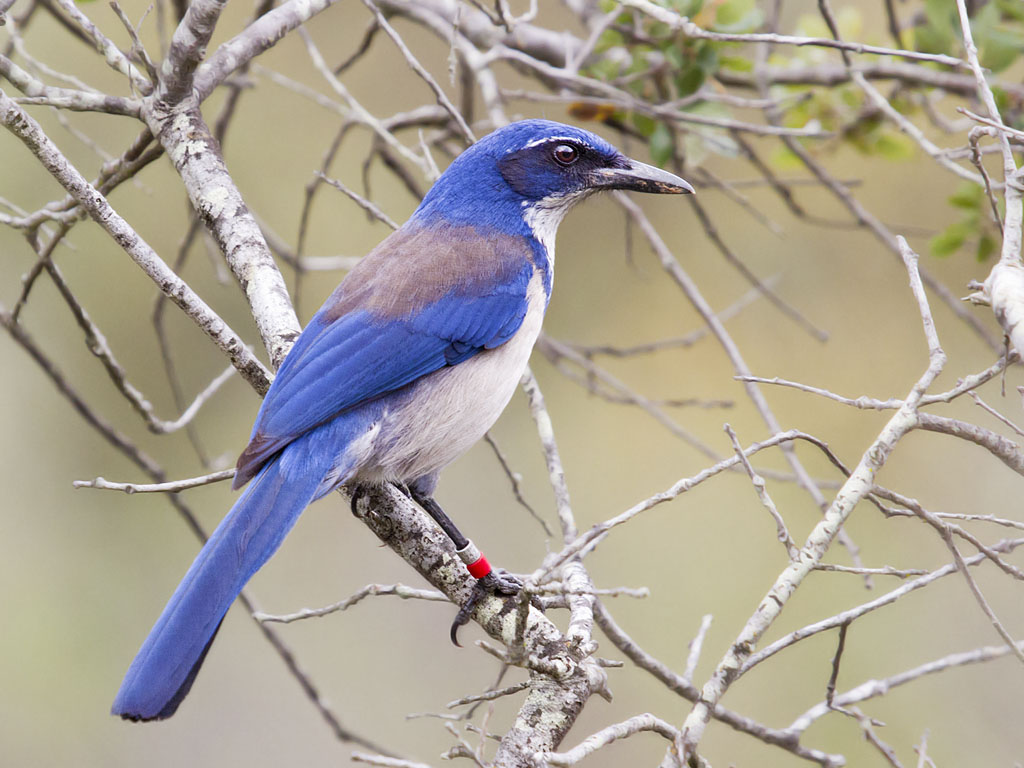

Physical characteristics and identification
Typical jays measure from about 25 to 40 cm in length. They usually sport contrasting wing and tail markings, and some species have a raised crest. Plumage varies widely: the Blue Jay of North America shows bright blue and white feathering with black barring, while the Eurasian Jay (Garrulus) is more pinkish with a characteristic blue panel in the wings. Steller's Jay and scrub jays are other familiar forms. For identification guides and visual resources consult field references.
Behavior, diet and ecology
Jays are omnivores: they eat seeds, nuts, fruits, insects, small vertebrates and occasional eggs. Many species cache food—burying acorns or seeds and later retrieving them—an activity that influences forest regeneration and seed dispersal. Their intelligence is notable; jays show problem solving, social learning and even deceptive behaviors to protect caches. Vocalizations are loud and varied, including harsh scolds, whistles and mimicry of other species.
Distribution, species and notable examples
Jays inhabit woodlands, parks and scrublands across North and Central America, Europe and Asia. Well-known species include the Blue Jay (Cyanocitta cristata), the Eurasian Jay (Garrulus glandarius), the California scrub-jay and Steller's Jay. Regional guides list species accounts and range maps; see regional species lists for local details.
Human interactions and conservation
Jays are familiar in both rural and suburban settings and appear frequently in folklore and art because of their boldness and vocal nature. While many species are common and adaptable, habitat loss, fragmentation and local persecution can affect populations. Conservation assessments and recovery actions are compiled by ornithological organizations; for conservation status updates see conservation resources and monitoring projects at citizen science portals.
Distinguishing jays from other corvids involves noting size, plumage pattern and behavior: they are generally more colorful than crows and more arboreal than ground-feeding magpies. Their ecological role as seed dispersers and their cognitive abilities make them subjects of ongoing study in behavior and forest ecology.
Related articles
Author
AlegsaOnline.com Jay (Corvidae bird) Leandro Alegsa
URL: https://en.alegsaonline.com/art/49672
Sources
- nrm.se : PDF fulltext