
Japanese occupation of Singapore (1942–1945)
The Japanese occupation of Singapore (1942–1945) was a pivotal World War II episode marked by military defeat, harsh civilian rule, economic collapse, and long-term effects on Singaporean society and decolonization.
The Japanese occupation of Singapore lasted from 1942 to 1945 during World War II. Imperial forces from Japan seized control of the island city of Singapore, then an important British naval base and trading hub. The capture followed a swift campaign down the Malay Peninsula and a decisive defeat of Allied troops. The British garrison surrendered on 15 February 1942 at the Ford Motor Factory, an event that shocked the British Empire and marked a major strategic reversal in Southeast Asia. The occupying authorities renamed the territory Syonan-to, usually translated as “Light of the South.” Syonan-to became the administrative title used in Japanese proclamations and propaganda.
Image gallery
10 Images




Background and military collapse
Singapore’s fall was the culmination of the Malayan Campaign, in which the Japanese army advanced rapidly down the Malay Peninsula using air power, armor and maneuver tactics that exploited Allied weaknesses. Troops defending the island included units from Australia, British formations in British Malaya, and contingents from India, together with local volunteers. Coastal defenses and expectations of a seaborne invasion proved misplaced; Japanese forces attacked from the north and secured landing sites, cutting off supplies and communications before the surrender.
Occupation administration and daily life
Under Japanese rule, civilian life changed dramatically. The military administration imposed curfews, censorship and restrictions on movement, while attempting to mobilize resources for the war. Many Allied civilians and captured soldiers were interned, and organized campaigns targeted political opponents and perceived enemies. One of the occupation’s most traumatic episodes was a systematic purge of suspected anti-Japanese elements in the Chinese community, which resulted in the execution and disappearance of thousands of people.
Economic disruption was severe. The occupiers issued a new paper currency, widely called “banana money” because some notes featured plant imagery; this currency quickly lost value and spawned rampant inflation and black markets. Food shortages, rationing and forced labour for infrastructure and military projects added to civilian hardship. At the same time, the Japanese sought to reshape local institutions and to promote cultural and political messages aligned with their wartime goals.
Resistance, collaboration and notable features
- There were both armed and civilian resistance efforts, from small guerrilla bands to clandestine intelligence work supporting Allied forces.
- Some local leaders and institutions cooperated with the occupiers for survival or pragmatic reasons; others resisted openly.
- Key features of the occupation included internment camps, forced labour programs, food and medicine shortages, and harsh law enforcement.
End of occupation and legacy
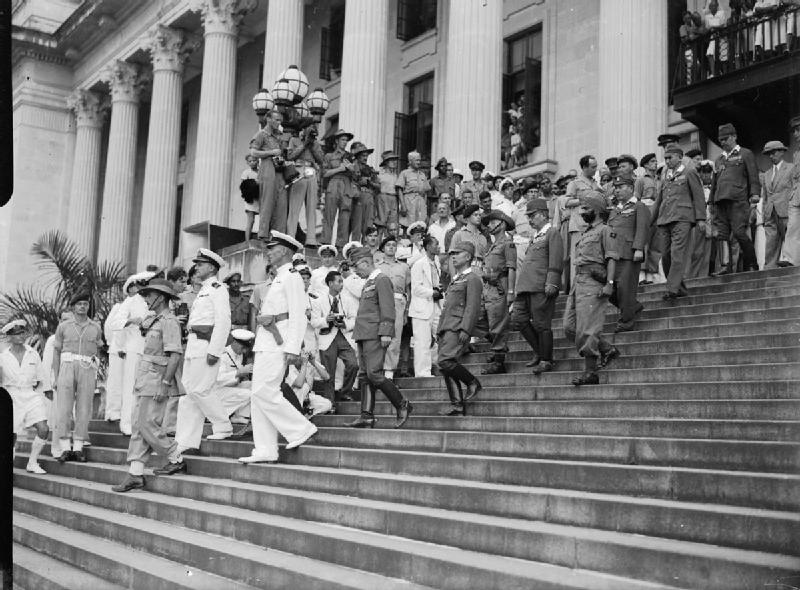
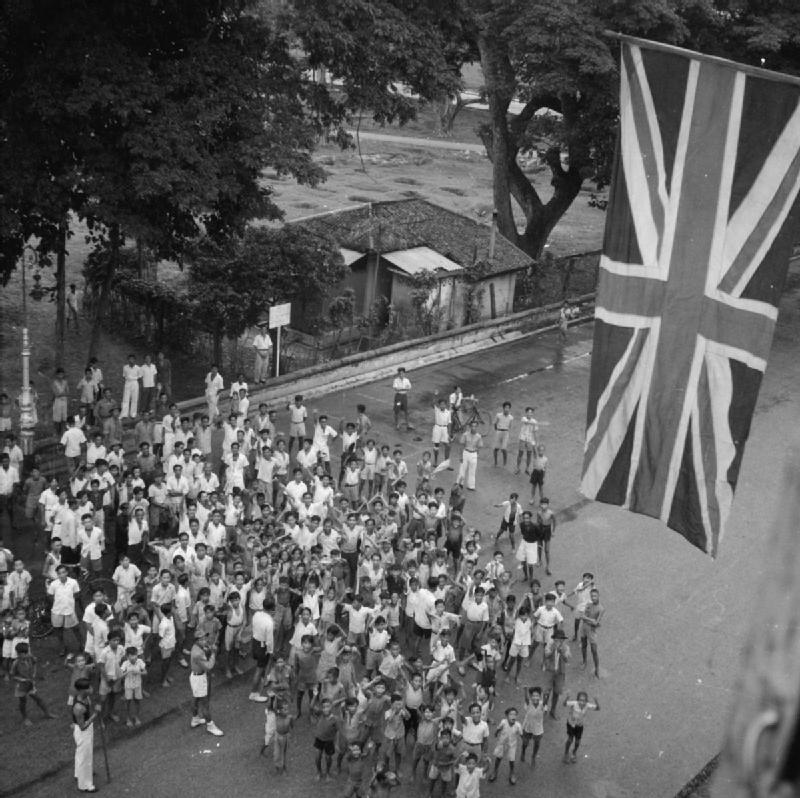
The occupation ended after Japan’s defeat in 1945; British forces returned and civil administration was re-established. War crimes investigations and trials followed, while the trauma of occupation influenced postwar politics. The experience of humiliation under colonial defense and the harshness of wartime rule contributed to rising anti-colonial sentiment and accelerated moves toward self-government and independence in the region. Today the occupation is remembered through museums, memorials and public history projects that examine its human cost and lasting consequences.
For broader context, read more about the global conflict at World War II, the role of Japan in Southeast Asia, the city of Singapore under foreign occupation, the wartime administrative structures of Syonan-to, the invading army, participating forces such as Australia, the colonial setting of British Malaya, the contribution and fate of troops from India, and the severe economic effects including inflation.
Related articles
Author
AlegsaOnline.com Japanese occupation of Singapore (1942–1945) Leandro Alegsa
URL: https://en.alegsaonline.com/art/49538