
Japanese macaque (snow monkey)
A comprehensive overview of the Japanese macaque (Macaca fuscata), its appearance, behavior, habitat in Japan, social life, use of hot springs, and conservation and cultural significance.
Overview
The Japanese macaque, also called the snow monkey, is a species of macaque native to Japan. Its scientific name is Macaca fuscata. These primates are notable for living farther north than almost any other non-human primate and for adapting to cold, snowy environments.
Image gallery
10 Images




Physical characteristics
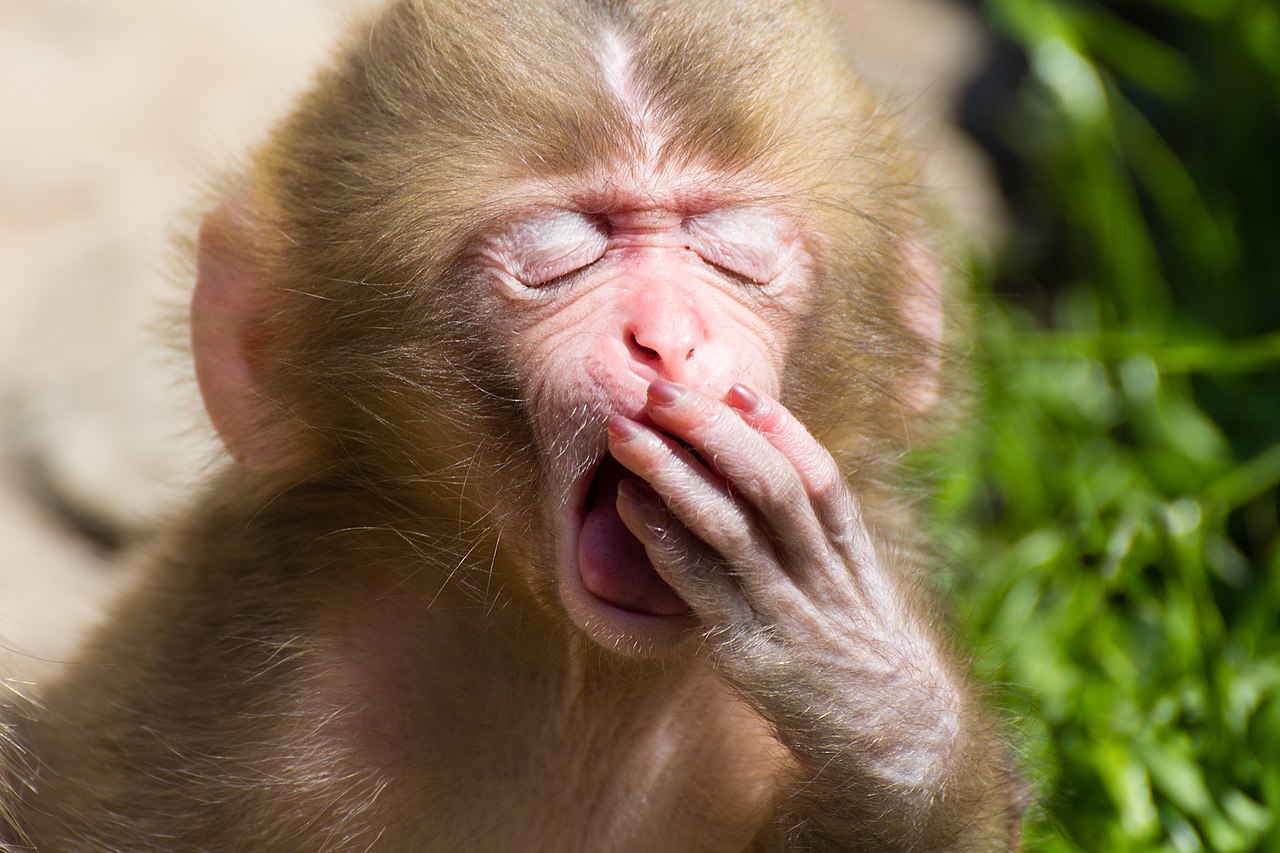
Japanese macaques have dense fur that varies in color from brown to gray, which helps insulate them against cold weather. They have a bare, pinkish face and strong limbs adapted for climbing and walking on varied terrain. Adults show modest sexual dimorphism, with males generally larger and heavier than females.
Habitat and distribution
They occupy a range of habitats across the main islands of Honshū and other regions of Japan, from subtropical forests to alpine woodlands. In colder areas they are often seen in valleys and near thermal springs where they may congregate in winter to conserve heat.
Behavior, social structure, and hot spring use
Japanese macaques live in multi-female, multi-male groups with clear dominance hierarchies. Social bonds are maintained through grooming and play. They are omnivorous and opportunistic feeders, foraging for plants, seeds, insects and small animals. A well-known behavior is their use of natural hot springs: in some populations individuals enter warm water to reduce stress and stay warm during freezing weather.
Diet, reproduction and lifespan
Breeding seasons and parental care follow seasonal cycles. Females give birth to single young after a gestation period typical of macaques, and mothers nurse and protect offspring while other group members may assist. Lifespan in the wild is limited by climate, food availability and predation, while captive individuals often live longer under managed care.
Conservation, human interactions and notable facts
Populations face challenges such as habitat alteration and conflict with agriculture, but they are also a prominent species in scientific study and ecotourism. They appear frequently in Japanese culture and media. Notable facts include:
- They are the northernmost-living non-human primate species.
- Use of hot springs by some troops has drawn international attention and research interest.
- They demonstrate flexible behavior and learning, adapting diets and social customs to local conditions.
For further reading and resources about their biology and conservation, consult specialist primatology literature and regional wildlife guides. See also Macaca fuscata entries and regional accounts for more details.
Related articles
Author
AlegsaOnline.com Japanese macaque (snow monkey) Leandro Alegsa
URL: https://en.alegsaonline.com/art/49533
Sources
- iucnredlist.org : "Macaca fuscata"
- commons.wikimedia.org : Japanese macaque