
Javan rhinoceros (Rhinoceros sondaicus)
Critically Endangered single-horned rhinoceros native to Southeast Asia, now confined to a small population in western Java; threatened by habitat loss, poaching and stochastic risks.
Overview
The Javan rhinoceros (Rhinoceros sondaicus) is a large, solitary herbivore and one of the Asian rhinoceros species. It is a browser with a single horn and a pointed upper lip adapted for grasping leaves and stems. Classified as Critically Endangered, the species survives in very small numbers and is one of the rarest large mammals on Earth. It is often mentioned alongside the other Asian rhinos, including the Indian and Sumatran species; see three Asian rhino species for general context and Asia for regional information.
Image gallery
10 Images





Physical characteristics
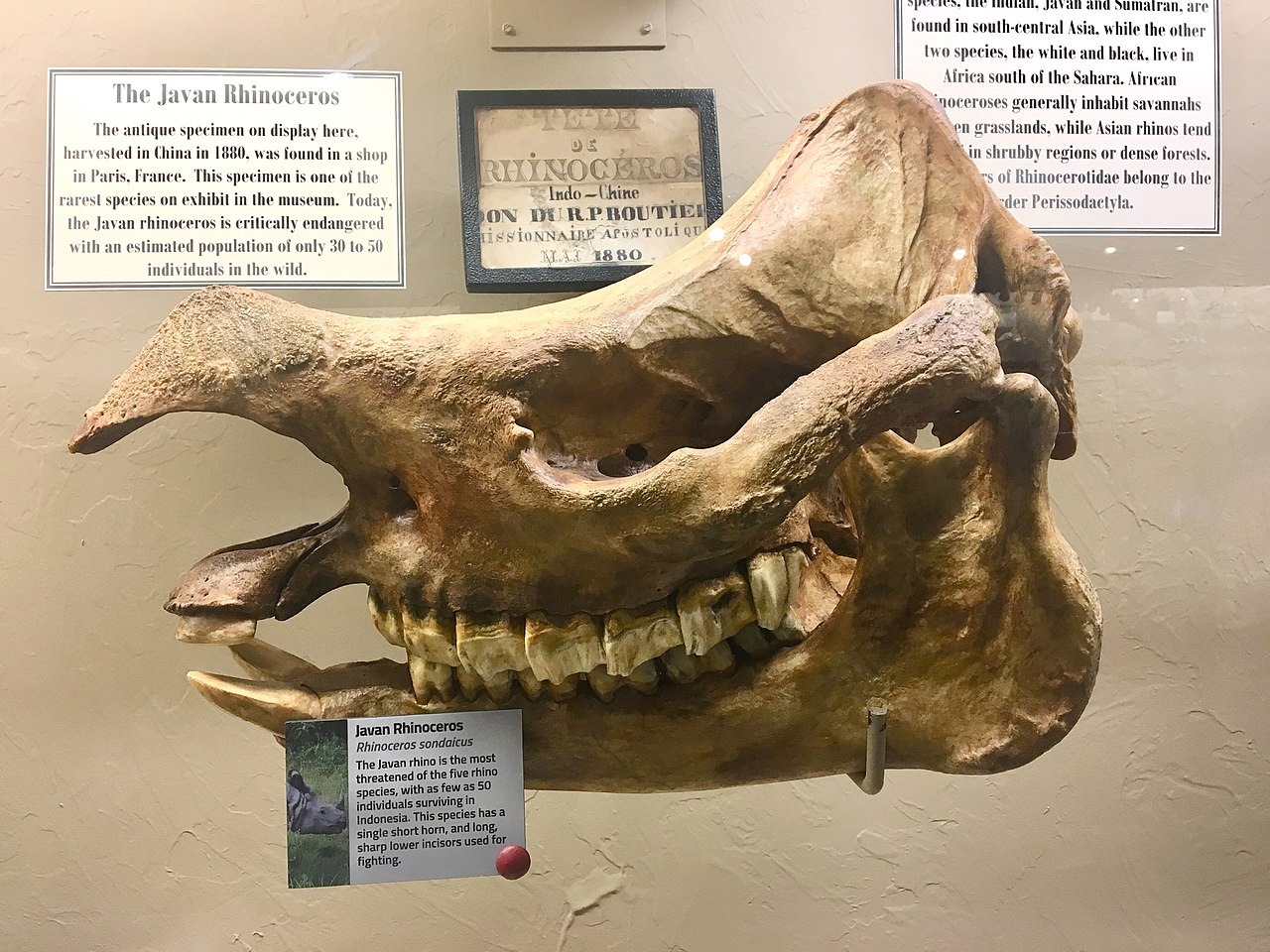
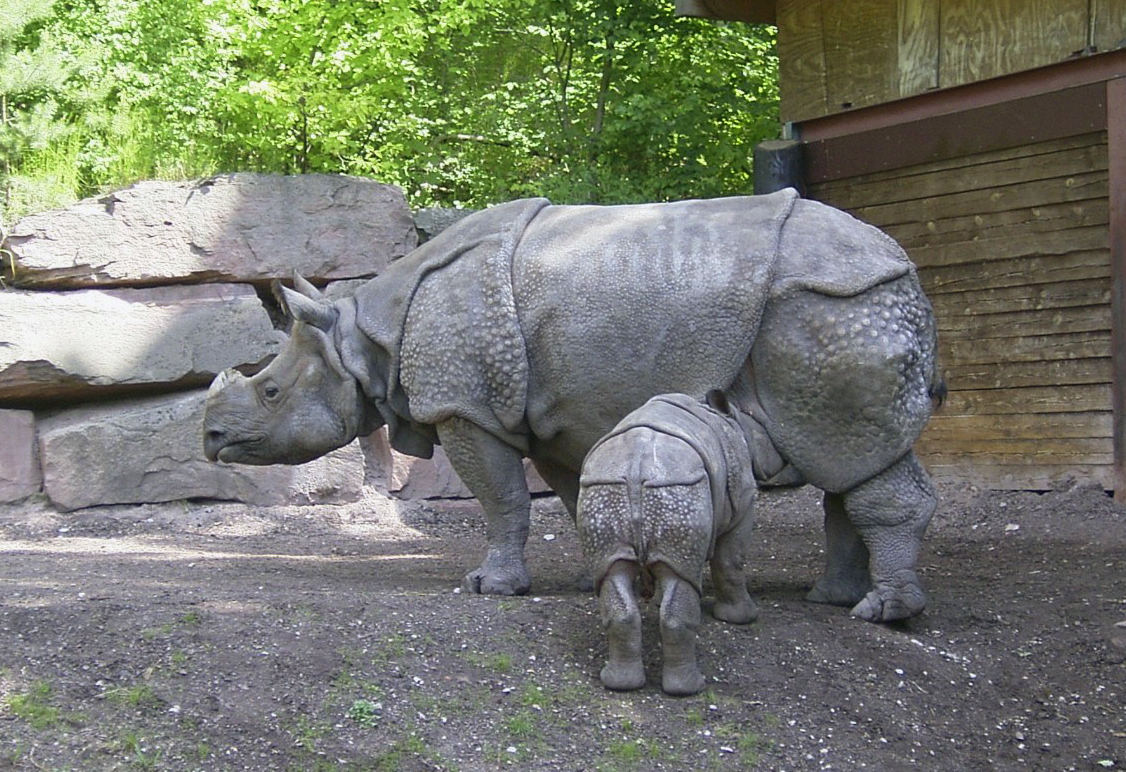
The Javan rhino has a stocky build, thick folded skin and a single keratin horn on the snout. Its skin appears armored by loose folds but is not plated; sparse hair may be present on parts of the body. The species is adapted to browsing in dense vegetation: its prehensile upper lip helps it strip leaves and twigs from shrubs and low trees. Unlike African rhinos, which may have two horns, the Javan rhino bears only one.
Distribution and history
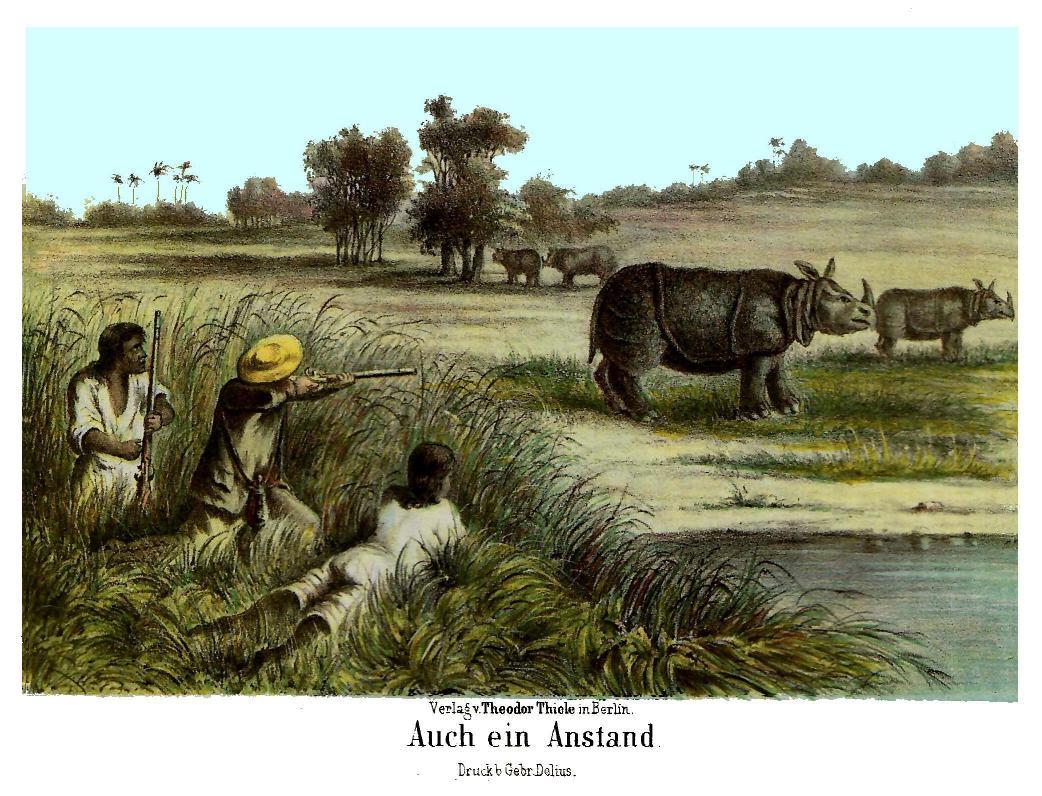
Historically the Javan rhinoceros occupied a wide range across mainland Southeast Asia and the Sunda Islands. Over the 19th and 20th centuries its range contracted dramatically due to hunting, habitat conversion and human pressure. By the late 20th century the species had been extirpated from most of the continent and now survives only in a remnant population in western Java, Indonesia, within protected areas established to conserve its last refuges.
Conservation status and threats
The species is listed as Critically Endangered by international conservation bodies. Scientists estimate the global population counts only a few dozen individuals, which makes the population vulnerable to stochastic events, disease and inbreeding. Ongoing threats include historical and potential poaching for horn, loss and fragmentation of habitat to agriculture and development, and the risk posed by having essentially a single wild population concentrated in one region.
Conservation measures
- Strict protection of remaining habitat and anti-poaching patrols.
- Monitoring by camera traps, field surveys and health assessments.
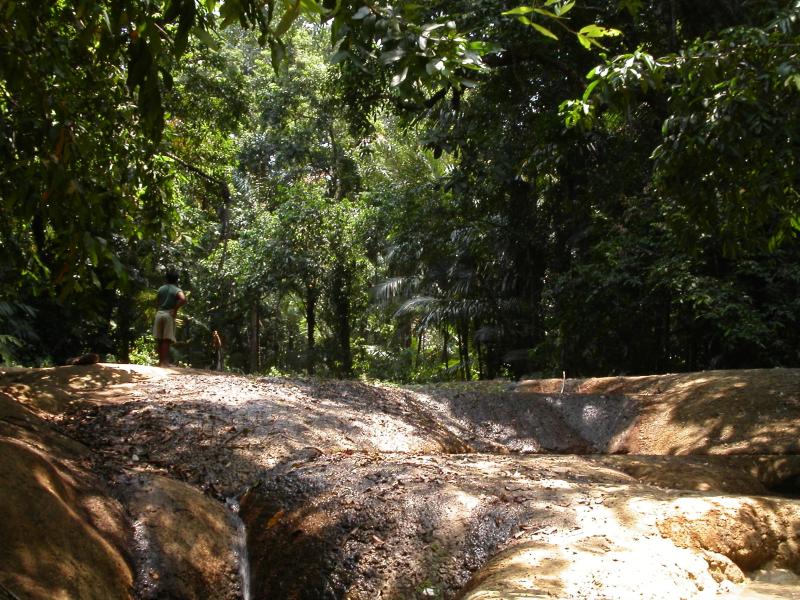
- Habitat management to maintain food resources and freshwater access.
- Contingency planning to reduce risks from disease or catastrophic events.
Importance and notable facts
The Javan rhino plays a role in shaping forest understory through its browsing activity and contributes to overall biodiversity. Its conservation has broader significance for habitat protection, benefiting many other species in the same ecosystems. Because the global population is so small, conservationists emphasize in situ protection rather than relying on captive populations; efforts continue to secure and expand suitable habitat and reduce all human-caused threats.
Related articles
Author
AlegsaOnline.com Javan rhinoceros (Rhinoceros sondaicus) Leandro Alegsa
URL: https://en.alegsaonline.com/art/49641