
Jan Ruff O'Herne: Dutch-Australian survivor and human-rights activist
Dutch-born Australian who survived wartime sexual slavery and later campaigned publicly for recognition, apology and redress for comfort women. Her testimony helped break decades of silence. Died 2019.

Overview
Jeanne Alida "Jan" Ruff O'Herne AO (18 January 1923 – 19 August 2019) was a Dutch-born Australian survivor and campaigner who drew public attention to wartime sexual violence. After living more than four decades in silence, she became known for speaking about her experiences and urging official recognition, apology and remedy for victims of military sexual slavery. Her work linked individual testimony to broader human rights debates and the international conversation about comfort women.
Image gallery
1 Image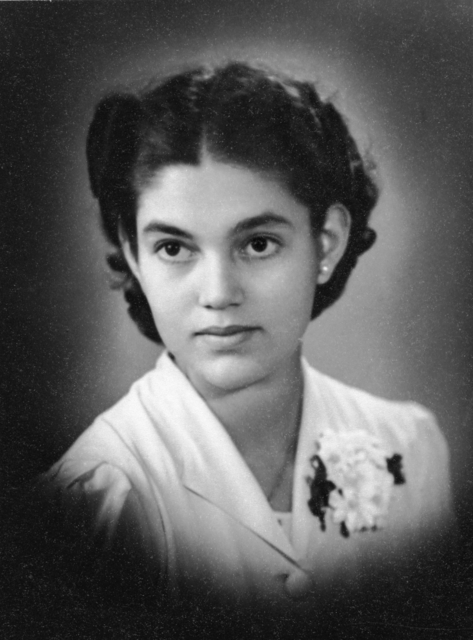
Wartime experience
Born in Bandoeng in the Dutch East Indies, O'Herne was a young woman when the region fell under occupation during World War II. She was among many women who were detained and forced into sexual servitude by units of the Imperial Japanese Army. Her personal account, like those of other survivors, describes repeated assaults and the long psychological consequences of being treated as a forced sex worker. In later years she framed these actions as systematic sexual slavery and part of a pattern that affected thousands across Asia and the Pacific.
Public activism and testimony
Ruff O'Herne remained private for decades but decided to speak publicly about her ordeal roughly fifty years after the war. In doing so she joined a growing movement of survivors and advocates pressing for acknowledgment, official apologies, educational measures and some form of redress. She gave interviews, public speeches and supported legal and civic efforts to ensure that the experiences of former "comfort women" were recorded in history and not dismissed or forgotten.
Impact and recognition
Her testimony helped shift public awareness in Australia and abroad, providing a personal narrative that complemented scholarly research and activism. Jan Ruff O'Herne was later honoured as an Officer of the Order of Australia (AO) for her community and advocacy work. Her story is often cited in discussions of wartime sexual violence, victim-centred justice and the importance of historical memory in preventing future abuses.
Legacy and death
O'Herne died in Adelaide, Adelaide, South Australia, on 19 August 2019 at the age of 96. Her willingness to break a long silence inspired other survivors to speak and contributed to wider calls for states and institutions to confront wartime abuses honestly.
- Born: 18 January 1923, Bandoeng, Dutch East Indies (Bandoeng).
- Wartime role: survivor of enforced sexual servitude by occupying forces.
- Later life: activist and advocate for recognition of comfort women.
- Honours: appointed AO for service to the community and human-rights advocacy.
- Died: 19 August 2019, Adelaide.
For further reading and testimony, see collections of survivor statements and historical research that document the experiences of women during the occupation and the subsequent movement for justice and remembrance.
Related articles
Author
AlegsaOnline.com Jan Ruff O'Herne: Dutch-Australian survivor and human-rights activist Leandro Alegsa
URL: https://en.alegsaonline.com/art/49377