
Comfort women: forced sexual servitude in Asia before and during World War II
Women and girls coerced into sexual slavery by the Imperial Japanese Army in occupied territories before and during WWII; includes recruitment methods, locations, estimates, survivor testimony, and postwar developments.
Overview
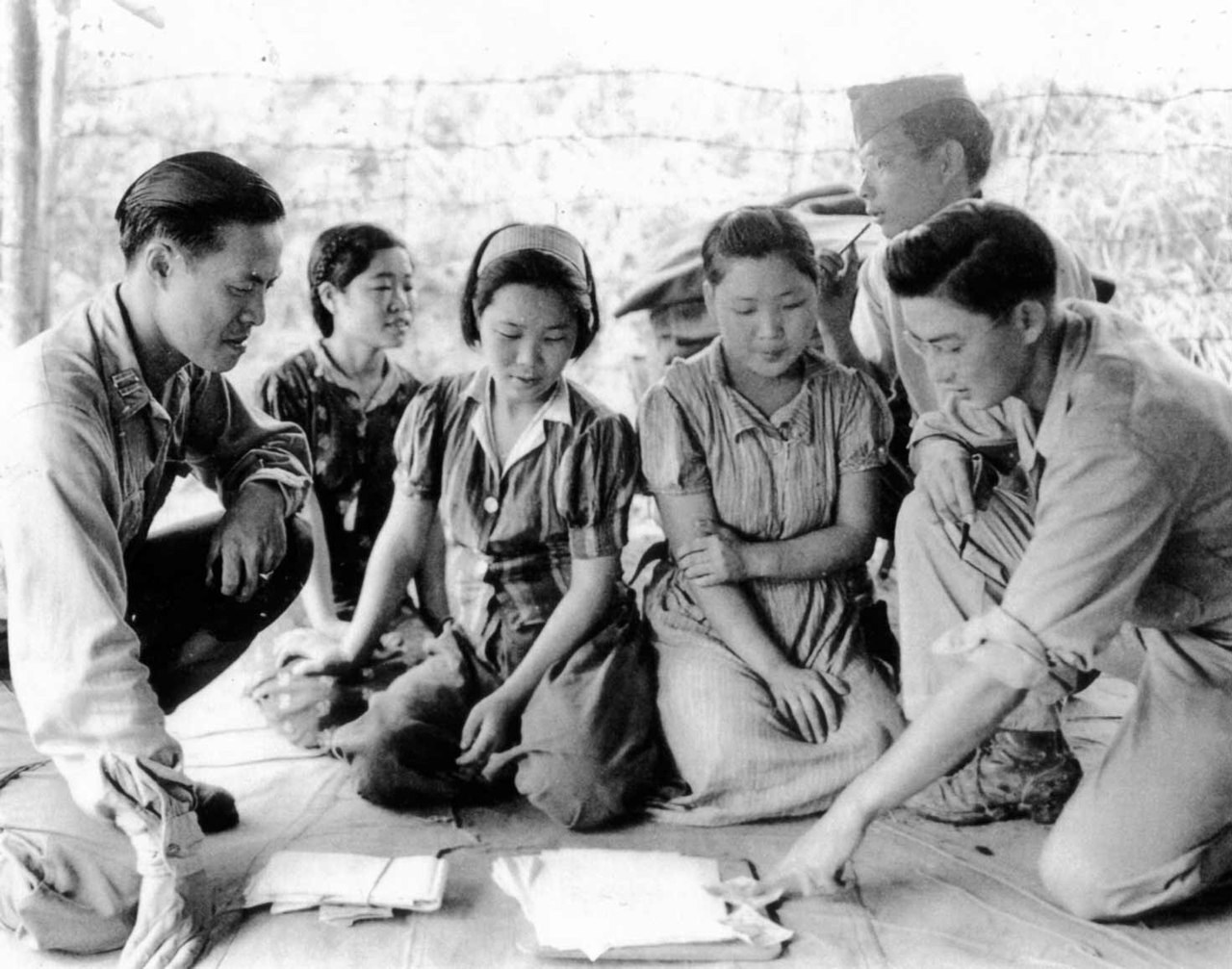
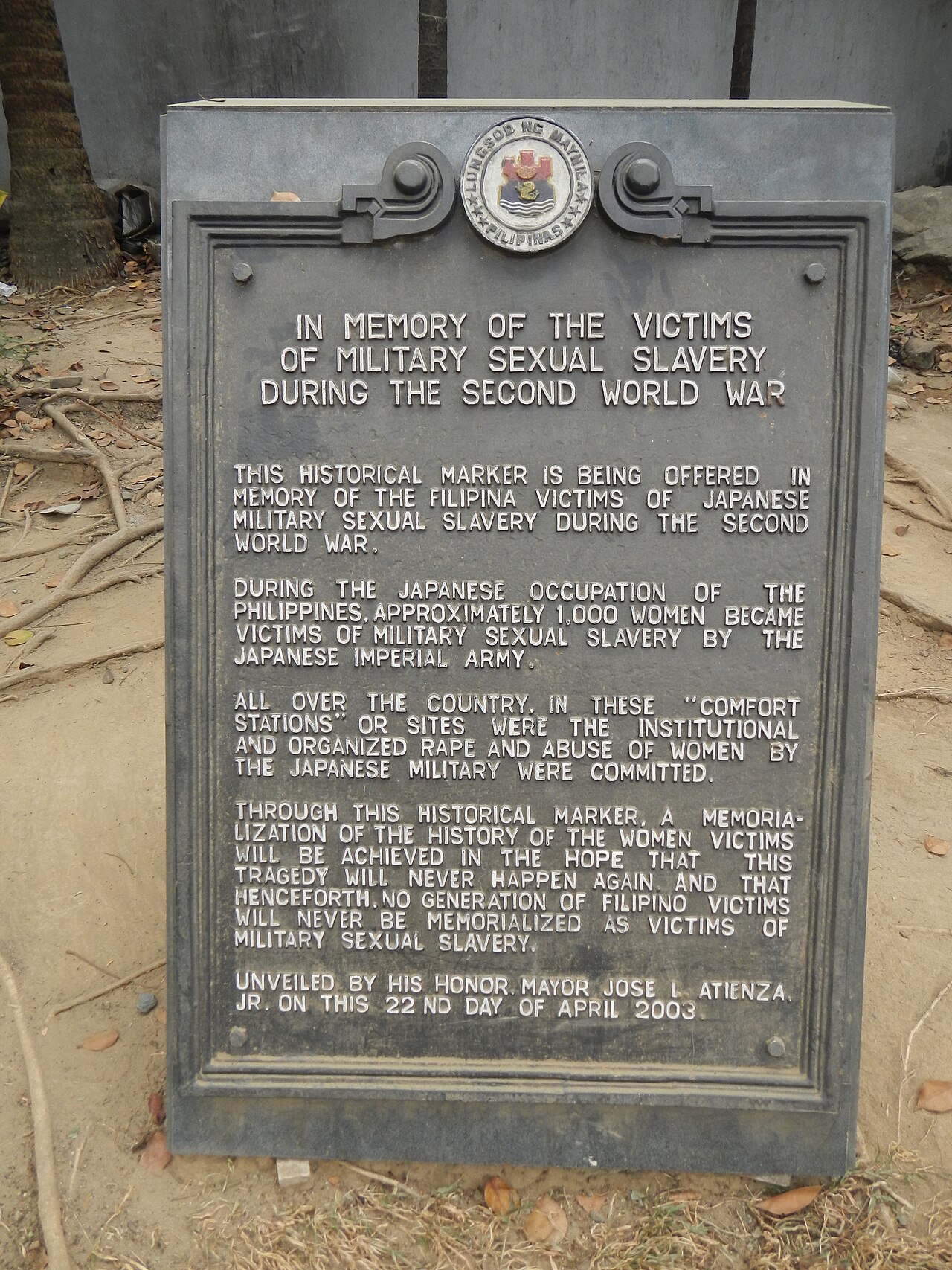
The term "comfort women" refers to women and girls who were forced into sexual servitude in so‑called "comfort stations" operated in territories occupied by the Imperial Japanese Army before and during the Second World War. Victims included large numbers of Koreans, and also Chinese, Filipinas, Indonesian women, women from Southeast Asia, and some Europeans. Survivor testimony, wartime documents and postwar investigations have documented widespread coercion, deception, abduction and severe abuse. Human rights bodies and many historians describe the system as military sexual slavery.
Image gallery
10 Images





Recruitment, control and conditions
Methods of recruitment varied by place and time. Documented practices include:
- Deception: women were promised factory, domestic or nursing work and then confined.
- Coercion and abduction by military units, police, or private brokers and traffickers.
- Intermediaries such as recruiters, brothel managers and transporters who moved women across borders.
Once detained, many women faced forced daily sexual encounters, harsh discipline, inadequate food and medical care, and isolation from legal protection. Physical injury, sexually transmitted infections, and long‑term psychological trauma are commonly reported by survivors.
Geographic reach and scale
Comfort stations operated across East and Southeast Asia and on some Pacific islands, including areas of Korea, China, the Philippines, Indonesia, Myanmar (Burma), Malaysia and others. Estimating the number of victims is difficult: wartime records are incomplete and many accounts emerged only decades later. Scholarly estimates vary; several widely cited studies place the range in the tens of thousands to a few hundred thousand, while other sources propose lower or higher figures. Research continues in archives and through survivor interviews. For collections of documents and survivor testimony see research collections and survivor archives.
Postwar responses and memory
After the war many survivors remained silent because of stigma, political pressures and social taboos. From the late 20th century, public testimony, civil society campaigns and legal complaints drew international attention. Governments, international organizations and scholars have debated appropriate historical recognition, apologies, compensation, and education. Some states and institutions issued statements, offered compensation programs, or reached bilateral agreements; these responses have sometimes been contested by survivors and advocacy groups. International human rights organizations continue to call for full historical acknowledgement and support for survivors. See diplomatic and legal analyses at diplomatic resources and historical overviews at scholarly summaries.
Significance and continuing debate
The comfort women issue remains central to discussions of wartime sexual violence, historical memory and transitional justice. It has affected interstate relations in East Asia, informed international norms on sexual violence in conflict, and inspired comparative studies of military sexual slavery in other conflicts. While debates persist over details such as exact numbers and lines of responsibility, the documented experiences of survivors and the long‑term harms they suffered are widely recognized in scholarly and human rights literature.
Support, education and research
Ongoing efforts focus on survivor support, public education, archival research and memorialization. Museums, oral history projects and memorials contribute to documenting testimony and promoting awareness to prevent future abuses. Continued archival access and interdisciplinary scholarship help refine understanding of how the system operated and its lasting impacts on individuals and societies.
Related articles
Author
AlegsaOnline.com Comfort women: forced sexual servitude in Asia before and during World War II Leandro Alegsa
URL: https://en.alegsaonline.com/art/21918
Sources
- sdh-fact.com : sdh-fact.com/CL02_1/31_S4.pdf