
James Stockdale: U.S. Navy admiral, Medal of Honor recipient and Vietnam POW
James Stockdale was a U.S. Navy vice admiral and aviator, Medal of Honor recipient who spent more than seven years as a Vietnam War POW; later led the Naval War College, The Citadel and ran for vice president in 1992.
Overview
James Bond Stockdale (December 23, 1923 – July 5, 2005) was an American naval aviator and senior officer who became nationally known for his leadership while held captive in the Vietnam War and for receiving the Medal of Honor. A career officer in the United States Navy, Stockdale combined operational command with academic roles later in his career and entered public attention again as a running mate in the 1992 presidential campaign.
Image gallery
7 Images


Career and military service
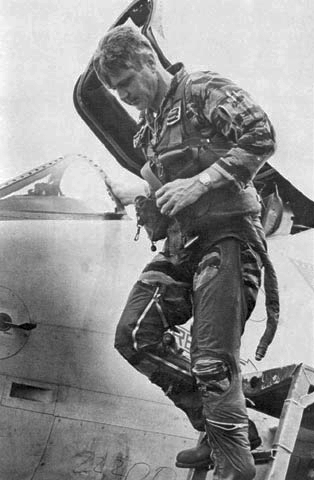
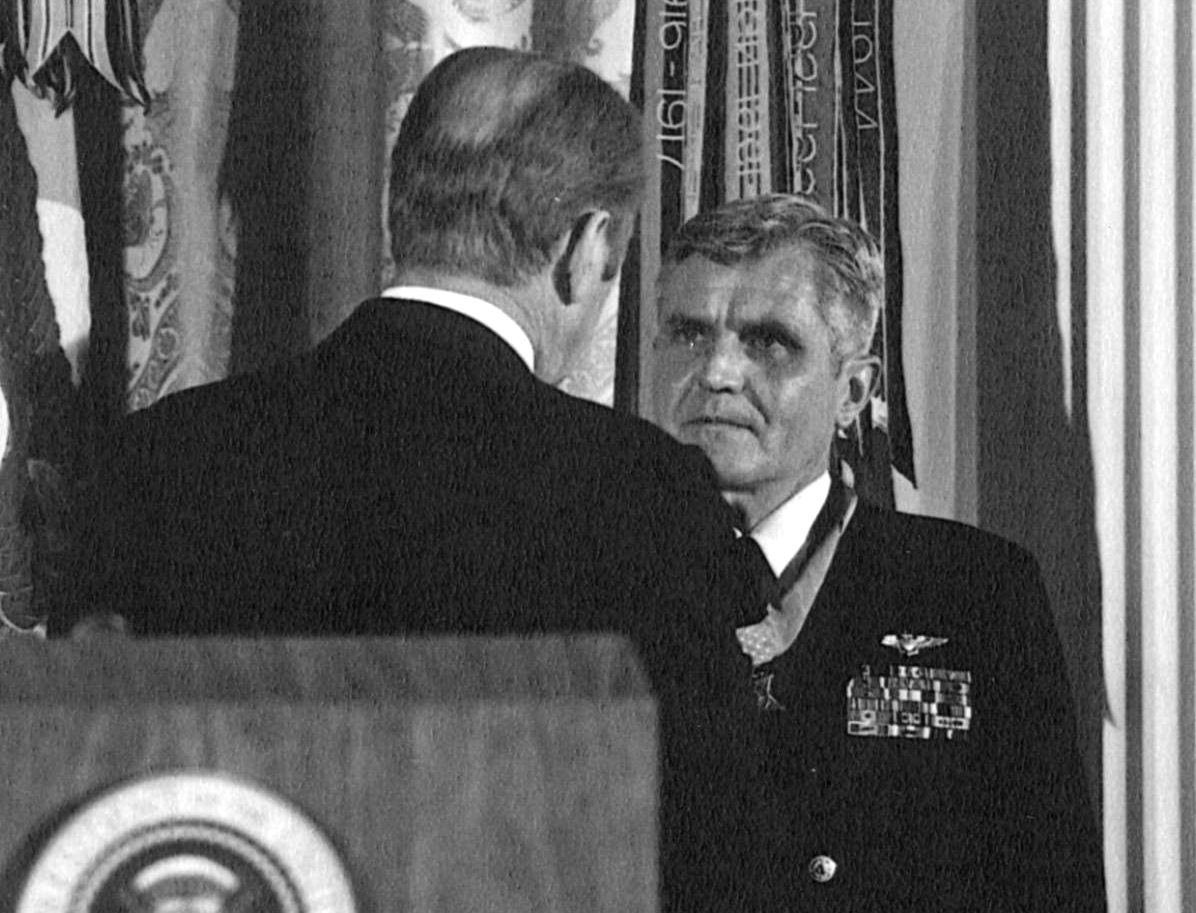
Stockdale trained and served as a naval aviator before deploying to Southeast Asia during the Vietnam War. He was captured and held as a prisoner of war for more than seven years, during which he became a central figure among American detainees for organizing resistance, maintaining discipline, and attempting to protect fellow prisoners from abuse. For his conduct and leadership under torture and prolonged captivity he was awarded the Medal of Honor, the United States' highest military decoration.
Leadership, education and later posts
After returning from captivity and continuing his naval career, Stockdale served as President of the Naval War College beginning in October 1977 until his retirement from active duty in 1979. He then accepted the presidency of The Citadel, The Military College of South Carolina, serving in that role from 1979 to 1980. In both academic and service settings he emphasized ethics, character, and the professional education of officers.
Public life and political candidacy
Stockdale moved into public life after his naval career. In 1992 he was selected as the vice-presidential candidate on the independent ticket of businessman Ross Perot, participating in the 1992 presidential election as Perot's running mate. The ticket positioned itself outside the two major parties and drew attention for including a decorated military leader with a prominent wartime record. Stockdale's selection also drew discussion about the transition from military command to electoral politics and the roles veterans play in public service.
Intellectual life and legacy
Beyond his formal duties, Stockdale became known for his interest in philosophy, especially Stoicism, which he credited with helping him endure the psychological and physical trials of captivity. His experiences have been cited in studies of leadership and resilience; management writers and educators sometimes reference what became known as the "Stockdale paradox"—the combination of confronting brutal facts while maintaining faith in eventual success—as an instructional example.
Notable facts and recognition
- Awarded the Medal of Honor for leadership and gallantry as a prisoner during the Vietnam War (Vietnam War).
- Served as President of the Naval War College and later as President of The Citadel.
- Was the vice-presidential nominee for Vice President of the United States on the Perot ticket in 1992.
- Remembered for applying classical ethical ideas to modern military leadership and for his influence on discussions of resilience and command.
Stockdale's life bridged combat service, higher military education, and civic engagement. His record as a decorated officer and as a leader under extreme adversity continues to be studied by military professionals, historians, and those interested in moral leadership and human endurance. For further reading and primary sources, consult archival materials and institutional histories from the Naval War College and The Citadel, as well as contemporary accounts of American prisoners during the Vietnam conflict (see naval records and related resources).
Additional reference points and public records can be found through historical overviews and collections that document the Medal of Honor, accounts of the Vietnam War, and materials about the 1992 campaign (election summaries, Perot campaign analyses). Biographical summaries and institutional memorials also note Stockdale's dates of birth and death and his long-term influence on leadership education.
Related articles
Author
AlegsaOnline.com James Stockdale: U.S. Navy admiral, Medal of Honor recipient and Vietnam POW Leandro Alegsa
URL: https://en.alegsaonline.com/art/49280
Sources
- newspapers.com : "Navy Hero: James Bond in His Own Right"