
Ross Perot: Businessman, Third-Party Candidate, and Philanthropist
Overview of H. Ross Perot (1930–2019): entrepreneur who founded EDS, two-time U.S. presidential candidate, Reform Party founder, and notable philanthropist active in veteran and educational causes.
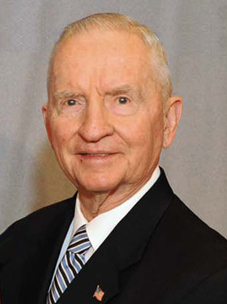
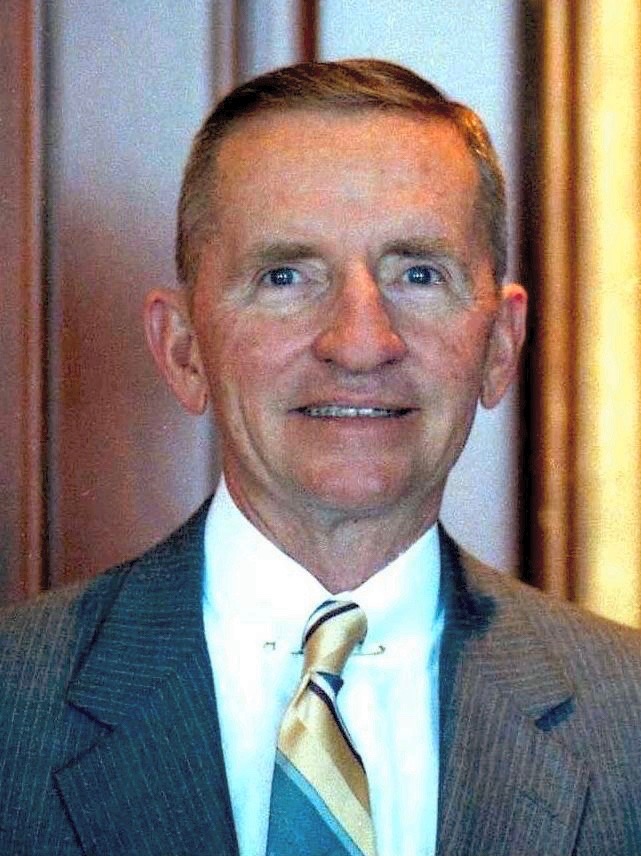
Henry Ross Perot was an American entrepreneur, independent political figure, and philanthropist whose career spanned technology, national politics, and civic giving. He is best known for founding Electronic Data Systems (EDS) and later Perot Systems, for mounting two high‑profile presidential campaigns in 1992 and 1996, and for promoting deficit reduction and government reform. Perot combined an outsider persona with the resources of a self-made billionaire and used television and paid media to present his economic arguments.
Image gallery
9 Images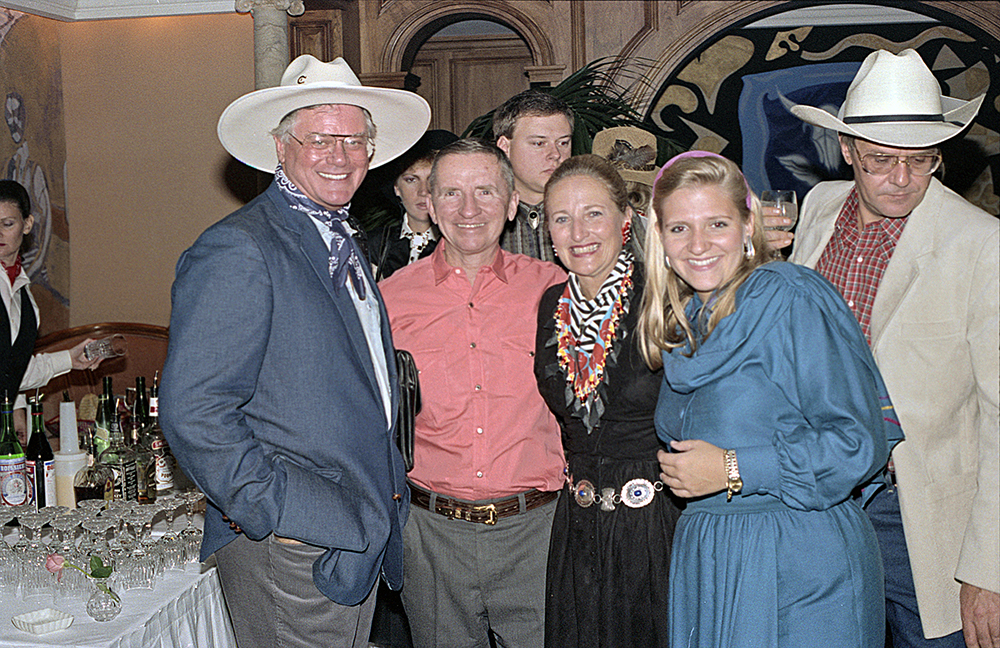




Early life and education
Perot was born on June 27, 1930, in Texarkana, Texas. He attended local schools and a junior college before graduating from the United States Naval Academy. He served as a naval officer early in his career and later transitioned into the business world. In 1956 he married Margot Birmingham; the couple raised five children and maintained an active role in civic and charitable activities.
Business career
Perot established Electronic Data Systems in 1962, building it into one of the first large firms to provide data processing and information technology services to corporations and government agencies. EDS grew rapidly and attracted major customers before being sold to General Motors in the 1980s. Perot later founded Perot Systems, another IT-services company. His business success made him a billionaire and a prominent figure in American industry; publications such as Forbes periodically listed his wealth among the nation's highest.
Presidential campaigns and political impact
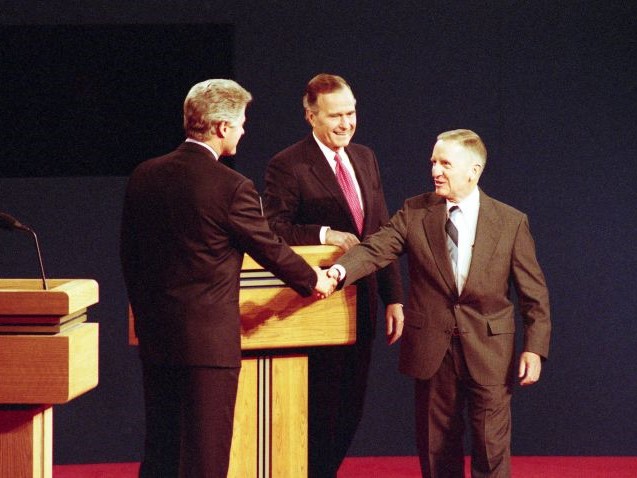
Perot entered national politics as an independent candidate in 1992, campaigning on fiscal responsibility, opposition to trade deals he argued would cost American jobs, and a focus on reducing the federal deficit. He used televised presentations and campaign infomercials to explain budget charts and policy proposals directly to voters. His unusually strong showing for a non‑major candidate influenced that year's race between George H. W. Bush and Bill Clinton. In 1995 Perot helped found the Reform Party and ran as its nominee in 1996, continuing to press for political reform and more efficient government operations.
Philanthropy and public causes
Outside business and politics, Perot supported veterans' causes, efforts to account for prisoners of war and missing service members, and educational and cultural institutions. The Perot family contributed to museums, scholarships, and civic projects in Texas and beyond. Perot's public profile also included occasional endorsements in later elections; for example, he endorsed Mitt Romney in 2012.
Death and legacy
Perot died on July 9, 2019, at his home in Dallas from leukemia at the age of 89. His career is remembered for pioneering outsourcing and IT services, altering expectations for third‑party or independent candidacies in American politics, and for an active record of philanthropy. Perot remains a notable example of a business leader who leveraged personal wealth and media savvy to shape public debate.
- Major companies: Electronic Data Systems, Perot Systems.
- Political role: Independent candidate (1992), Reform Party founder and 1996 nominee.
- Public recognition: Longstanding presence on lists of wealthy Americans and frequent media coverage of his campaigns and causes.
Further reading and archival materials are available through institutional collections and contemporary news coverage for readers seeking detailed timelines, election statistics, or analyses of Perot's business transactions and political influence.
Business profile and background 1992 election context Wealth and rankings Birthplace and early life Naval Academy records 2012 endorsement Place of death Cause of deathAuthor
AlegsaOnline.com Ross Perot: Businessman, Third-Party Candidate, and Philanthropist Leandro Alegsa
URL: https://en.alegsaonline.com/art/130110