
James the Just
Early Christian leader traditionally linked to Jerusalem, author of the Epistle of James, and called the brother of Jesus; honored in multiple Christian traditions and central to debates about Jesus' family.
Overview
James the Just, often called James Adelphotheos ("brother of God" in some liturgical usage), is a prominent figure in early Christianity. He is traditionally described as the leading elder or bishop of Jerusalem in the first decades after Jesus' death, and he appears in both Christian writings and later church tradition as a distinctive voice in the movement that remained closely connected to Jewish practice. Paul of Tarsus refers to him as one of the movement's chief figures alongside Cephas and John, and New Testament tradition also calls him a "brother of Jesus."
Image gallery
6 Images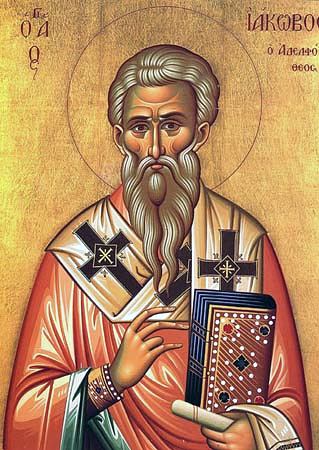


Names, identity, and sources
Sources call him by several names or epithets: James the Just, James the Lord's brother, and James of Jerusalem. The New Testament attributes an epistle to "James" that has long been associated with him (see the Epistle of James), though modern scholarship debates authorship and date. Information about his activity comes from brief New Testament references, especially Acts and Paul's letters, later church historians, and Jewish Christian traditions recorded by authors such as Eusebius. For accessible modern summaries see discussions of the New Testament and of early Jerusalem leadership in many reference works.
Role in the early church
James is depicted as a central figure in the Jerusalem community, mediating between Jewish practice and the growing Gentile mission. In Paul's letter to the Galatians he is named as one of the "pillars" of the church, and later accounts portray him as a respected arbiter in debates over law and Gentile converts. His leadership has been interpreted as representing a strand of early Christianity that maintained a close relationship with Jewish religious life while also affirming the significance of Jesus' message.
Death and veneration
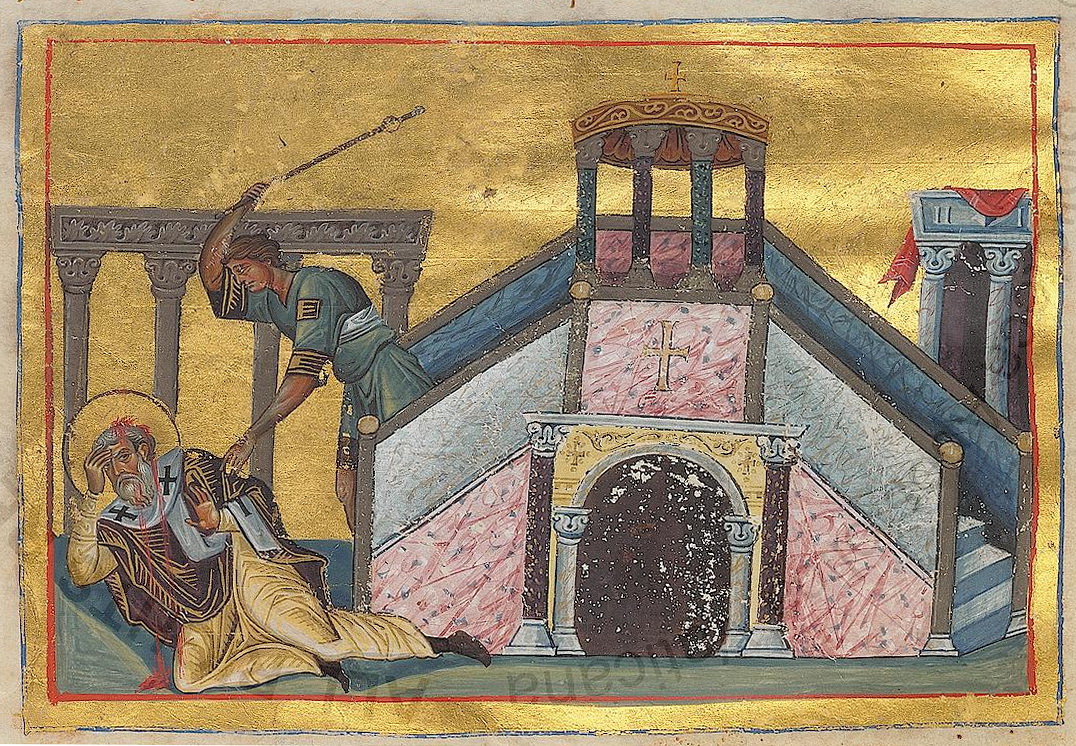
Church tradition holds that James died as a martyr in Jerusalem. Early Christian writers give differing narratives and dating, and many accounts place his death in the early 60s CE; traditions vary about the manner of his death. Regardless of particulars, James became an object of veneration in multiple Christian communions: he is commemorated in liturgical calendars, honored in the Eastern Orthodox and Roman Catholic traditions, and remembered in Protestant histories for his reputed piety and concern for ethical behavior.
Notable debates and legacy
- Relationship to Jesus: The phrase "brother of Jesus" has generated long-standing debate. Some early and medieval interpreters argued for a non-literal meaning (cousin or step-brother), while others treated it as indicating a biological brother; scholars continue to evaluate the linguistic and historical evidence cautiously.
- Authorship of the Epistle: The letter that bears his name has been influential for Christian ethics and faith-practice discussions, but its precise authorship and audience remain subjects of scholarly inquiry.
- Bridge figure: James is often seen as a bridge between the Jerusalem church rooted in Jewish practice and the wider, increasingly Gentile Christian movement—an important role for understanding how early Christianity diversified.
Further reading and resources
For historical overviews and primary-source citations consult entries that gather early testimonies and discuss chronology and context: see materials labeled "historical accounts", reference treatments of the Jerusalem church, and studies that treat the Pauline perspective and the Jerusalem leadership role summarized under the traditional date of death. Scholarly introductions and annotated translations of the Epistle of James and the relevant chapters of Acts and Galatians are useful starting points.
James the Just remains a significant figure for understanding the complexity of early Christianity—its internal debates, its relationship to Judaism, and the ways memory and authority were negotiated in the generation after Jesus.
Questions and answers
Q: Who was James the Just?
A: James the Just was an important figure in Early Christianity who was also called James Adelphotheos, James, 1st Bishop of Jerusalem, Brother of the Lord, and sometimes identified with James the Less.
Q: What was James the Just's role in Christianity?
A: According to tradition, James the Just was the first formal leader or bishop of Jerusalem, and the author of the James in the New Testament. He was also the first of the Seventy of Luke 10:1-20.
Q: How did Paul of Tarsus describe James?
A: In Galatians 2:9 (KJV), Paul referred to James as one of the pillars of Early Christianity, along with Cephas and John.
Q: Was James the Just related to Jesus?
A: Yes, James the Just was described in the New Testament as a "brother of Jesus" and in the Liturgy of St James as "the brother of God" (Adelphotheos).
Q: When did James the Just die?
A: James the Just died in AD 62.
Q: What was James the Just's other name?
A: James the Just was also known as James Adelphotheos.
Q: Was James the Just the same person as James the Less?
A: James the Just is sometimes identified with James the Less, although this is not universally accepted.
Related articles
Author
AlegsaOnline.com James the Just Leandro Alegsa
URL: https://en.alegsaonline.com/art/49283