
James Tissot (Jacques Joseph Tissot): Painter of Victorian Society and Biblical Subjects
French painter James Tissot (1836–1902) famed for elegant portraits and London society scenes, later producing an extensive illustrated cycle of biblical subjects in watercolor.
James Tissot (born Jacques Joseph Tissot, 15 October 1836 – 8 August 1902) was a French artist who became internationally known for his polished portraits and genre scenes. Early and mid-career he earned a reputation portraying fashionable society, and in later years he turned to religious subjects. For an overview of his life and work see biographical resources.

Image gallery
10 Images


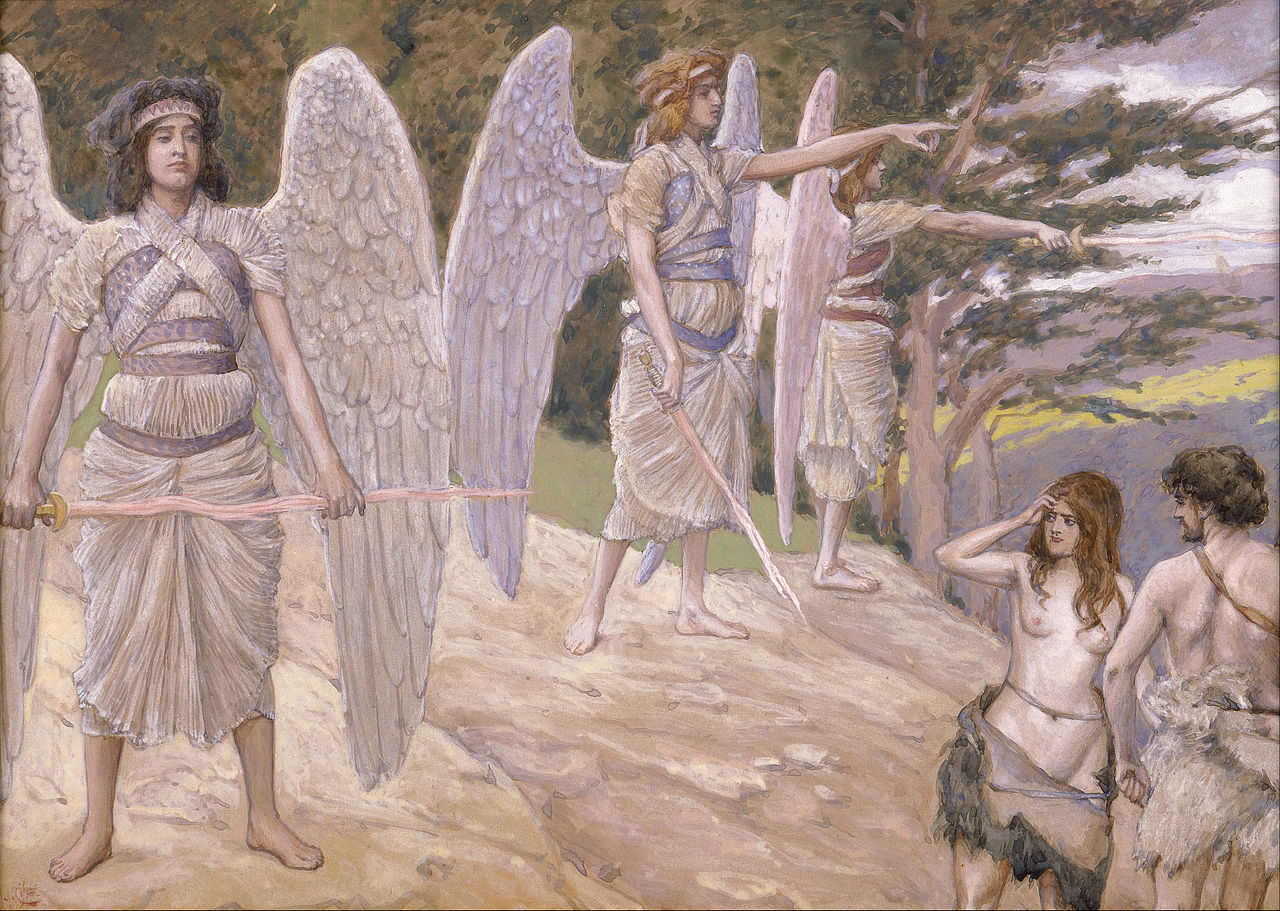


Style and technique
Tissot worked in oil and watercolor, favoring meticulous draftsmanship, keen attention to costume and texture, and carefully staged compositions that read like theatrical tableaux. His paintings often emphasize contemporary fashion, gestures and the social rituals of urban life. Critics and historians frequently contrast his highly finished surfaces with the looser brushwork of artists associated with Impressionism; for more on his portraits see portrait studies and on his relation to Victorian tastes consult Victorian art sources.
Career and development
Tissot trained in Paris and exhibited in French salons before spending a substantial period in London, where he addressed the interests of a British clientele. His London images captured the city's leisure, river scenes and social gatherings, often with narrative detail that invited viewers to imagine the story behind the picture. Late in life his subject matter shifted dramatically: after a period of personal reflection he pursued religious themes and produced a major illustrated cycle exploring episodes from the Gospels; institutions and collections document this turn in religious works.
Notable works and series
- On the Thames — one of his urban river scenes that evokes leisure and modern life.
- The Return of the Prodigal Son — an example of his later biblical focus.
- The Life of Christ — a large watercolor series and exhibition that consolidated his reputation in religious illustration.

Collectors and museums value Tissot for the combination of fashionable subject matter and exacting technique. His works serve as both aesthetic objects and social documents, used by scholars to study costume, gender roles and urban rituals of the late 19th century. For catalogs, exhibition histories and collection entries consult collection catalogues.
Tissot's career is notable for its two contrasting phases — cosmopolitan chronicler of contemporary society and later devotional illustrator — making him a distinctive figure in nineteenth-century art history. His surviving paintings and watercolors continue to be exhibited and studied for their visual richness and narrative detail.
Related articles
Author
AlegsaOnline.com James Tissot (Jacques Joseph Tissot): Painter of Victorian Society and Biblical Subjects Leandro Alegsa
URL: https://en.alegsaonline.com/art/49286