
James Parkinson (1755–1824) — English surgeon, geologist and author
English surgeon and writer James Parkinson described the condition now called Parkinson's disease and contributed to early paleontology, public health and political reform in the late 18th–early 19th century.
Overview
James Parkinson was born on 11 April 1755 in Shoreditch, London. He trained and worked as a medical practitioner and apothecary and combined clinical practice with interests in natural history and public affairs. He died on 21 December 1824 at the age of 69 after a period of illness that has been described as a stroke.
Image gallery
5 Images


Medical career and neurology
In his medical work Parkinson is best known for publishing a careful clinical description of a movement disorder in 1817. In that essay he examined tremor, rigidity and changes in posture in several patients and used the term "shaking palsy" to characterize the condition now widely known as Parkinson's disease. His observations emphasized patterns of symptoms and the progressive nature of the disorder, and they later became foundational for 19th- and 20th-century neurology.
Natural history, geology and palaeontology
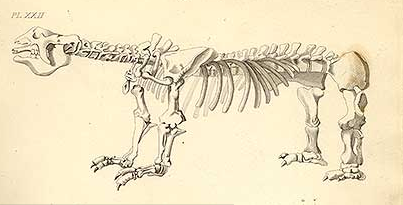
Alongside medicine, Parkinson pursued studies in geology and fossil remains. He published works on the structure of rocks and on organic relics from earlier geological periods. As a practical naturalist he collected specimens, compared fossil forms with living organisms, and contributed to the early development of British palaeontology. His engagement with these subjects led to recognition among contemporaries as a descriptive geologist and fossil collector (geologist).
Political and social activity
Parkinson also participated in public life. He produced pamphlets and essays on social and political issues, arguing for reform and for improvements in public health and welfare. These activities, together with his work as a local surgeon and apothecary (surgeon), show a practitioner who combined clinical service with civic concern and intellectual engagement. Histories of the period note him as a medically trained activist and commentator (political activist).
Selected contributions and legacy
- Clinical description: The 1817 essay that established the core clinical picture of the disorder now bearing his name (Parkinson's disease).
- Natural history: Publications and specimen collections that added to early palaeontological knowledge (geologist).
- Public service: A long career treating patients in London and engaging in public debate as a medical professional and civic writer (surgeon, political activist).
James Parkinson's name endures primarily through the neurological syndrome he first characterized, but his life illustrates the breadth of scientific and civic activity common among physicians of his era. Contemporary researchers and clinicians continue to reference his original essay while historians recognise his role in the early study of fossils and in local medical practice. The places and events associated with his life—birth in Shoreditch, work in London, and final illness at Langthorne—remain touchpoints in accounts of his biography.
For further reading and primary texts, consult specialist histories of neurology, collections of early 19th-century medical essays, and regional accounts of scientific activity in Georgian Britain (birth record, death record). These sources place Parkinson within the wider movements in medicine, geology and public reform that shaped the transition from late 18th-century practice to modern scientific disciplines.
Related articles
Author
AlegsaOnline.com James Parkinson (1755–1824) — English surgeon, geologist and author Leandro Alegsa
URL: https://en.alegsaonline.com/art/49266