
1755 — year of the Lisbon earthquake, colonial conflict, and cultural change
A pivotal year marked by the catastrophic Lisbon earthquake, military events in North America, the Acadian expulsion, and the publication of Samuel Johnson’s influential English dictionary.
Overview
1755 is remembered for several events that shaped politics, science and culture across Europe and North America. Most striking was the massive earthquake and tsunami that struck Lisbon, which had immediate humanitarian consequences and long-term intellectual effects. Elsewhere, military clashes in British North America and administrative decisions in the Atlantic colonies altered populations and imperial policies. The year also saw influential literary and scholarly activity that helped define the era.
Image gallery
6 Images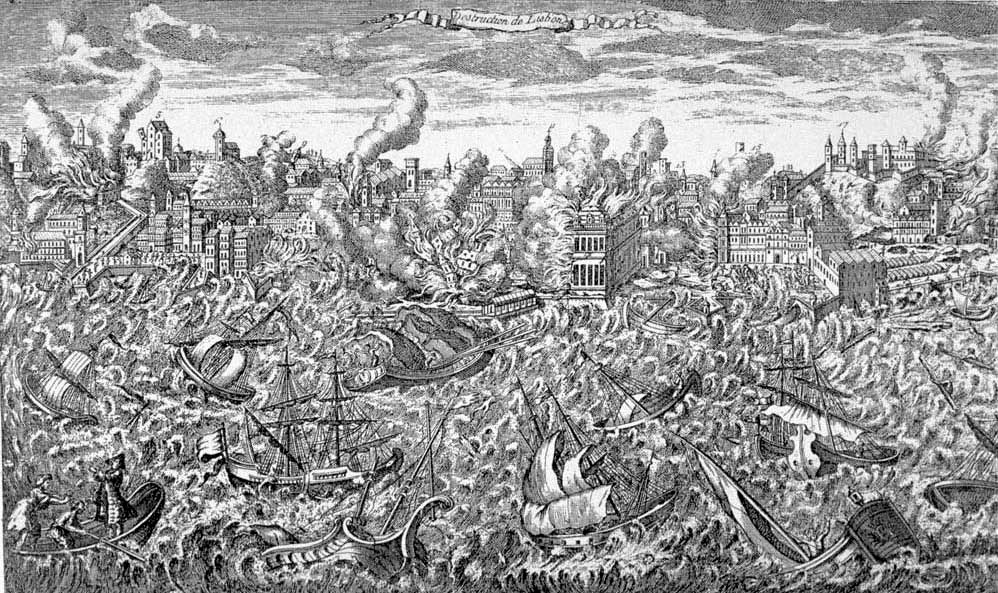



Major events
- Lisbon earthquake: On All Saints’ Day the city of Lisbon suffered a devastating earthquake followed by fires and a tsunami. The catastrophe produced large-scale destruction, heavy loss of life and an urgent relief and rebuilding effort led by Portuguese authorities.
- North American conflict: During the widening imperial struggle that became the Seven Years’ War, British forces suffered setbacks in 1755, most notably a defeat in the Ohio Valley that exposed the fragility of colonial military efforts and raised figures who would later become prominent.
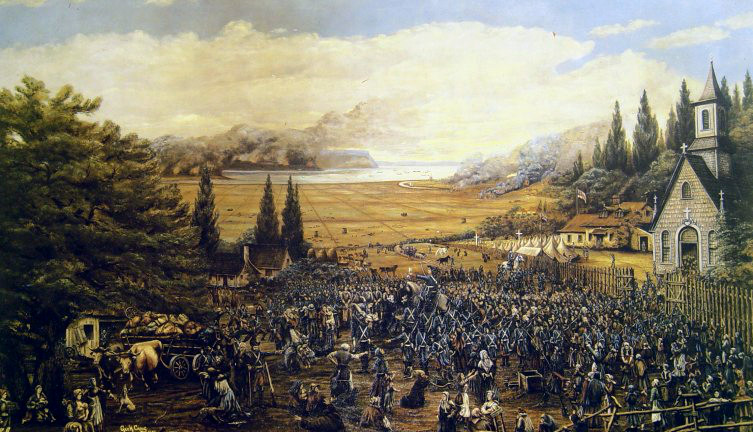
- Acadian expulsion: British authorities in Nova Scotia ordered the removal of Acadian communities, beginning a forced migration that dispersed Acadian families across the Atlantic world and contributed to the Cajun population in Louisiana.
- Lexicography and letters: Samuel Johnson’s A Dictionary of the English Language appeared in 1755, a landmark in standardizing English spelling and usage and in scholarly approaches to lexicography.
Cultural and intellectual impact
The Lisbon disaster provoked immediate philosophical and theological debate about suffering, providence and natural law. Writers and thinkers across Europe used the event to question optimism and to discuss human responses to catastrophe. In practical terms, the disaster spurred innovations in urban planning and building techniques aimed at greater earthquake resistance, and it influenced emergency response organization.
Consequences and notable facts
- Portugal’s reconstruction under state direction led to new architectural and administrative measures; some building concepts were early attempts at seismic-resistant design.
- The removal of Acadians reshaped demographics in Atlantic Canada and had enduring cultural consequences in North America.
- Samuel Johnson’s dictionary established reference standards that affected education, publishing and the professional study of language.
As a single year, 1755 reflects how natural disasters, imperial conflict and intellectual work can interact to produce lasting historical change.
Related articles
Author
AlegsaOnline.com 1755 — year of the Lisbon earthquake, colonial conflict, and cultural change Leandro Alegsa
URL: https://en.alegsaonline.com/art/111696