
Jaco Pastorius: innovator of the electric fretless bass
Overview of John 'Jaco' Pastorius (1951–1987), his technique, career with Weather Report and collaborators, innovations on the fretless electric bass, and his lasting influence and tragic death.
John Francis "Jaco" Pastorius (December 1, 1951 – September 21, 1987) was an American electric bass player whose technique and sound helped reshape modern jazz, fusion, and the role of the bass in popular music. Born in Norristown, Pennsylvania and raised in South Florida, he became widely admired for his melodic approach, inventive harmonics, and dramatic use of a fretless electric bass.
Image gallery
5 Images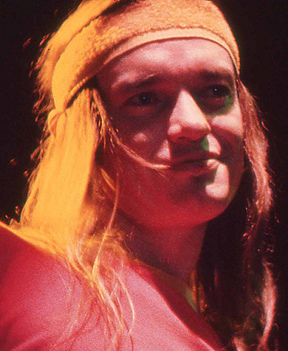


Musical style and instruments
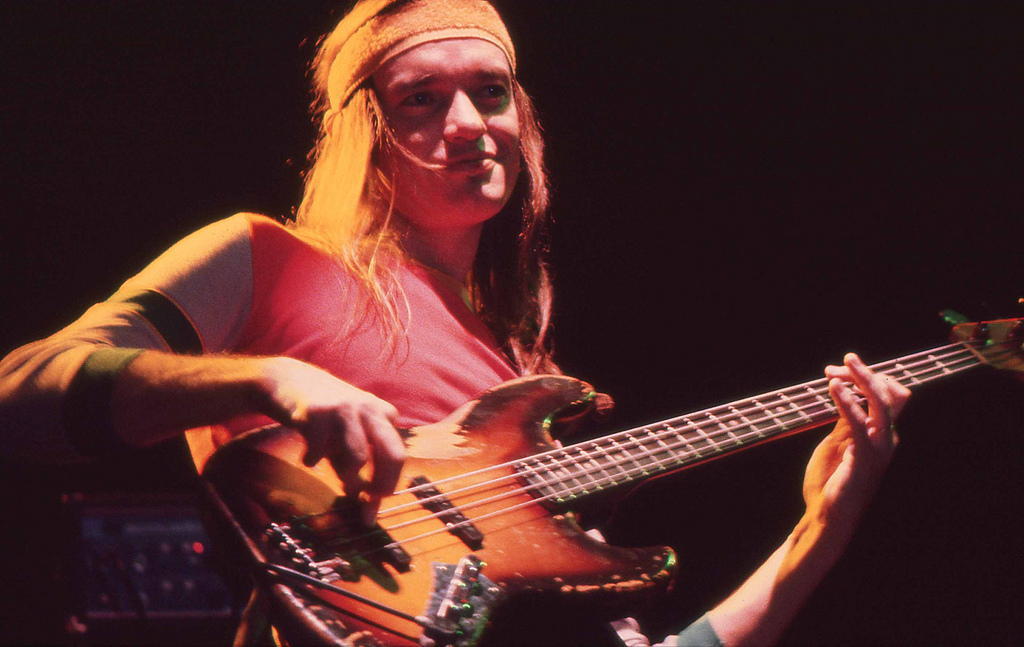
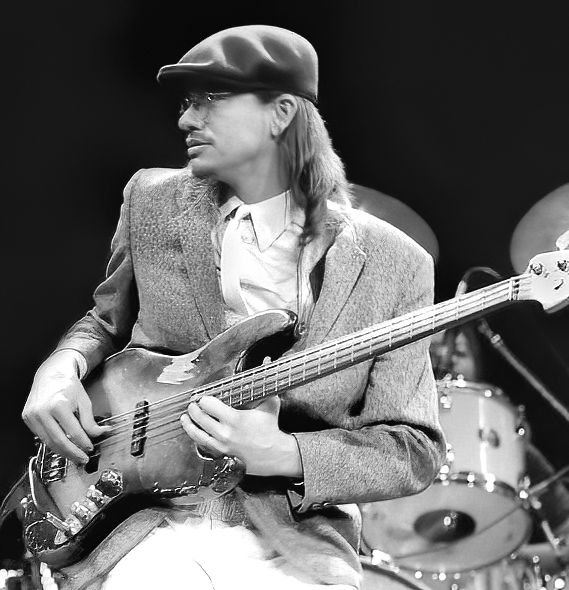
Pastorius is best known for adapting a Fender Jazz Bass to a fretless configuration and developing a singing, horn-like tone that allowed the bass to function as both a rhythmic anchor and a lead voice. He often removed the frets and sealed the fingerboard to protect it, producing the distinctive glissando and microtonal inflections associated with his sound. His right-hand technique combined precise single-note lines, chords, and artificial harmonics; pieces such as "Portrait of Tracy" highlight his use of harmonics and studio layering.
Career highlights
After rising in the South Florida club scene, Pastorius recorded his breakthrough solo album, Jaco Pastorius (1976), which featured original compositions and arrangements including a noted rendition of the bebop tune "Donna Lee." He joined the influential fusion group Weather Report in the mid-1970s and appears on landmark albums such as Black Market and Heavy Weather, contributing to the ensemble sound on tracks that broadened jazz fusion's audience. He also collaborated with guitarists and singers across genres, recording and touring with artists like Pat Metheny and Joni Mitchell.
Innovations and influence
- Popularized the fretless electric bass in jazz and rock contexts, influencing subsequent generations of bassists.
- Expanded the instrument's role through melodic solos, chordal textures, and extended techniques such as natural and artificial harmonics.
- Blended jazz harmony, funk rhythms, and melodic phrasing in recordings and performances that remain widely studied.
Later life and death
Despite his musical achievements, Pastorius struggled with mental health and substance-use issues that affected his career and relationships. In September 1987, after a concert by Carlos Santana, he was involved in an altercation outside a club in Fort Lauderdale. He sustained severe head injuries and developed a cerebral hemorrhage that led to brain death; he was taken off life support and died on September 21, 1987. Accounts of the incident and its legal aftermath are part of his tragic final chapter and remain documented in contemporary reports sources.
Legacy
Pastorius's recordings and recorded solos continue to be influential touchstones for bassists and arrangers. He is frequently cited in discussions of the most important electric bass players of the 20th century, and his innovations helped expand the expressive possibilities of the instrument across jazz, rock, and popular music. Educational materials, transcriptions, and tribute recordings have kept his techniques in circulation, ensuring that new generations study both his musical contributions and the complex personal story behind them.
Related articles
Author
AlegsaOnline.com Jaco Pastorius: innovator of the electric fretless bass Leandro Alegsa
URL: https://en.alegsaonline.com/art/49008
Sources
- browardpalmbeach.com : "Happy Birthday, Jaco Pastorius!"
- articles.sun-sentinel.com : "Noted Musician Listed As Critical After Altercation"