
Jacob Arminius: Dutch Reformation Theologian and Founder of Arminian Thought
Overview of Jacobus Arminius (1560–1609), his theology, disputes with Calvinism, role at Leiden, the Remonstrant movement, and his lasting influence on Protestant thought and later Arminian traditions.
Overview
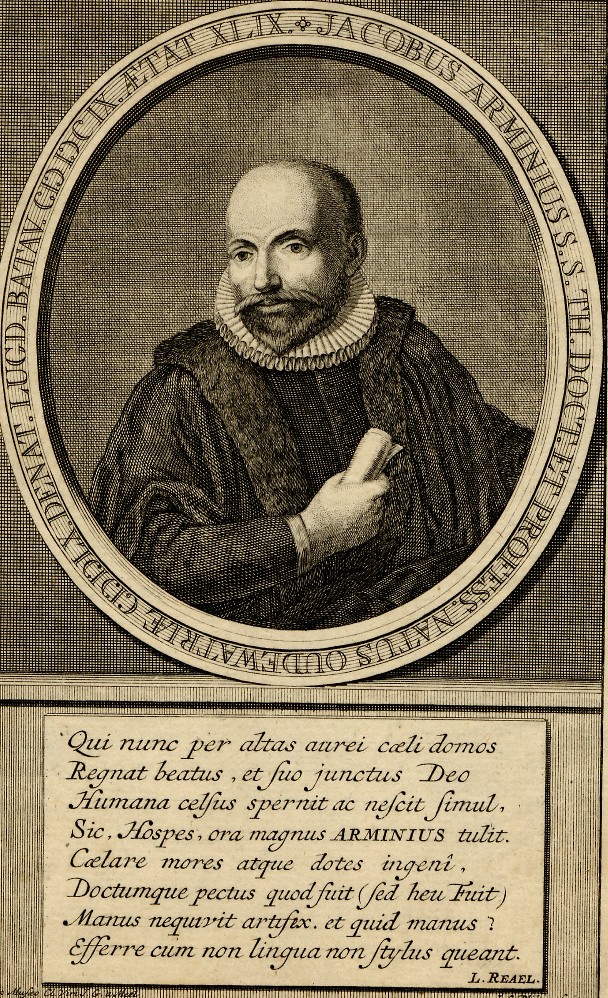
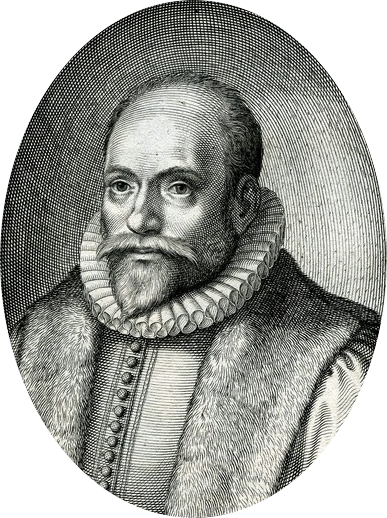
Jacobus Arminius (born Jakob Hermanszoon; often written Jacob Arminius) was a Dutch Reformed theologian and professor at the University of Leiden in the late 16th and early 17th centuries. His work addressed central questions of Christian doctrine, especially predestination, human will, and the scope of Christ’s atonement. He trained in classical and theological studies and became known for questioning some standard formulations of Reformed (Calvinist) theology while remaining within the Reformed ecclesial framework. His Latinized name is often cited in historical and theological literature: Jacobus Arminius.
Image gallery
6 Images


Theological emphases and controversies
Arminius engaged closely with doctrines of election, grace, and human freedom. He affirmed humanity’s need for divine grace and agreed with traditional Protestant teachings about sin and dependence on God, sometimes described under the heading of total depravity. Where he diverged was in his understanding of how God chooses and redeems people: rather than an unconditional, absolute election of particular individuals without regard to response, Arminius argued for election conditioned by God’s foreknowledge of who would place faith in Christ. He also taught that Christ’s atoning death is sufficient for all people and intended to make salvation genuinely available to anyone who believes.
These positions placed him at odds with a number of contemporaries who followed the system often associated with John Calvin. The debate sharpened after Arminius’s death when his followers—the Remonstrants—set out a formal statement of dissent. A series of five points later became a focus of controversy between Calvinists and Arminians, addressing election, atonement, grace, resistance to grace, and perseverance.
Writings, teaching, and the Remonstrant movement
Arminius published sermons, disputations, and theological treatises while teaching at Leiden. He was respected for careful scholarship and a pastoral concern, and he did not present his views as a finished system but rather as corrective refinements to existing doctrines. After his death in 1609, his students and allies organized to defend and extend his positions. The Remonstrants formalized their disagreements in a document called the Remonstrance (1610), which summarized their five chief objections to contemporary Calvinist formulations and proposed alternative emphases.
Historical development and institutional response
The controversy surrounding Arminius and his followers soon became a significant ecclesiastical and political issue in the Dutch Republic. The debate culminated in a church assembly that rejected the Remonstrant proposals and affirmed the traditional Calvinist formulations. Despite that institutional defeat, Arminius’s theological concerns continued to circulate in Protestant Europe. During the 18th and 19th centuries his ideas influenced a range of movements and denominations, notably informing Methodism and later traditions commonly described as Arminian.
Core distinctions and lasting significance
Key distinctions that grew out of Arminius’s work can be summarized as contrasting emphases rather than simple opposites. Important themes include:
- Conditional election: God’s choice is described in relation to foreseen faith rather than an unconditional decree.
- Universal provision: Christ’s atonement is sufficient for all and offered to all, though effective when received by faith.
- Resistible grace: Human assent plays a real role in accepting salvation, so grace may be resisted rather than irresistibly applied.
- Perseverance questioned: Arminius expressed caution about simple assertions that all true believers will unfailingly persevere, prompting later debate among his followers.
Arminius’s legacy is not merely a list of doctrines but a methodological stance that emphasized scriptural argument, pastoral sensitivity, and the responsibility of human response. Modern conversations about free will, divine sovereignty, and the scope of Christ’s work still refer to the categories that developed from his labors. For further reading on his life and theology see scholarly introductions and primary texts available through academic and historical resources, and consult general theological summaries of Reformation-era controversies: theology resources.
Although Arminius lived only to his late forties and did not institutionalize a new church, the movement that bears his name—Arminianism—became an enduring strand of Protestant thought, represented in a variety of denominations and theological discussions across Europe and the English-speaking world.
Related articles
Author
AlegsaOnline.com Jacob Arminius: Dutch Reformation Theologian and Founder of Arminian Thought Leandro Alegsa
URL: https://en.alegsaonline.com/art/49009