
Jacob Riis — Photographer, Reformer, and Progressive-Era Journalist
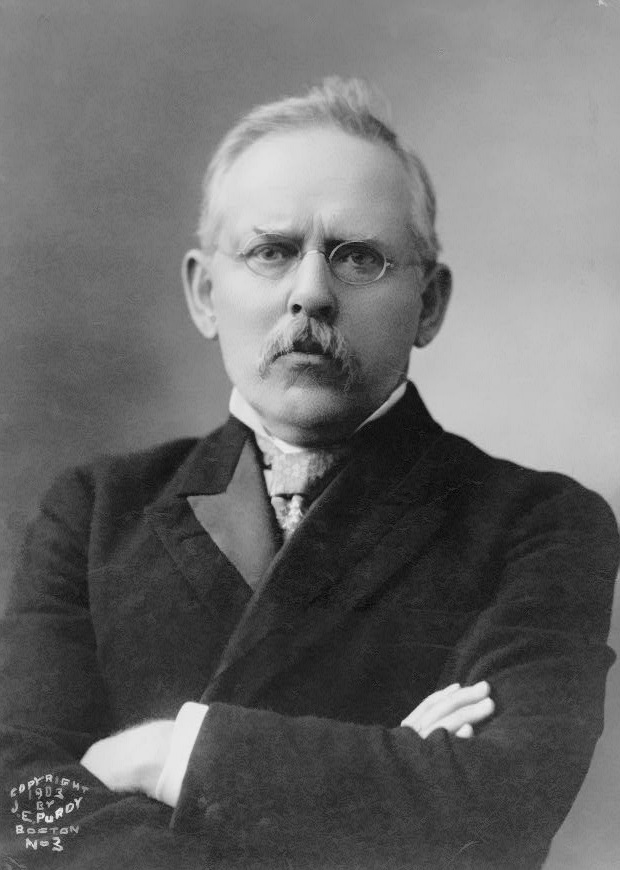
Jacob Riis (1849–1914), Danish-American journalist and photographer whose reporting and images of New York tenements exposed urban poverty and helped spur housing and public-health reforms.
Overview
Jacob Riis (1849–1914) was a writer and documentary photographer whose reporting in New York City brought public attention to overcrowded tenements and urban poverty in the late 19th century. Born in Denmark, Riis emigrated to the United States as a young man and later combined newspaper reporting with pioneering flash photography to illustrate social problems at a time when the term "muckraker" was applied to reform-minded journalists and exposés.
Image gallery
8 Images




Life and career
After arriving in America, Riis worked a variety of jobs before finding steady work as a police reporter and city newsman. His background included both practical labor and journalistic training, which shaped his sympathetic yet often prescriptive view of the urban poor. He published articles and lectures that reached middle-class audiences and municipal leaders, and his books drew directly from his reporting and photographic work.
Methods and major works
Riis is widely remembered for using early photographic flash techniques to record interior scenes otherwise too dark to capture, and for arranging images alongside descriptive prose. His best-known publication presented photographs and essays documenting living conditions in immigrant neighborhoods and tenement districts. Techniques he used included nighttime visits, interviews, and collaboration with social agencies to place his work before policymakers.
Impact and reforms
Riis's work helped focus public debate on housing, sanitation, and child welfare. Reformers, city officials, and lawmakers cited his reporting when proposing building-code changes, improved street sanitation, and measures designed to reduce overcrowding. His influence reached municipal leaders and contributed to a broader Progressive-Era push for urban improvement and public-health initiatives.
Criticism and legacy
Modern scholarship recognizes both Riis's importance and limitations. He is praised for drawing attention to dire conditions, yet also criticized for paternalistic language, occasional stereotyping of immigrant groups, and for staging or directing some photographic scenes. Nevertheless, his combination of journalism and visual documentation helped establish documentary photography as a tool for social reform, and his work remains a reference point in discussions of urban history, public policy, and media-driven advocacy.
Further reading and themes
- Origins and identity: Danish background and immigrant experience shaped Riis's perspective.
- Professional roles: Riis worked as a journalist and photographer to communicate conditions directly to readers.
- Topics covered: detailed reporting on tenement life and urban poverty.
- Movement context: often associated with the Progressive reform impulse and the group labeled muckrakers.
Riis's career illustrates how reporting, images, and public advocacy intersected during a period of rapid urban growth. His work influenced housing policy debates and continues to be studied for its documentary power, historical value, and ethical complexity.
Related articles
Author
AlegsaOnline.com Jacob Riis — Photographer, Reformer, and Progressive-Era Journalist Leandro Alegsa
URL: https://en.alegsaonline.com/art/49015