
Izumo Province
Former Japanese province in what is now eastern Shimane Prefecture, known for its coastal plain, ancient Shinto sites and a central role in Japanese mythology.
Overview: Izumo Province (出雲国, Izumo-no-kuni), sometimes called Unshū, was a historical province on the island of Honshū. Its territory corresponds largely to the eastern portion of modern Shimane Prefecture. Izumo is remembered for its fertile coastal plain, rivers and lakes, and for being a center of early Shinto practice and myth.
Image gallery
5 Images


Geography and borders
Izumo occupied a stretch of the Sea of Japan coastline and included inland lowlands and lacustrine basins such as the area around Lake Shinji. The province was bounded by neighboring provinces; historical records and maps note its borders with adjacent provinces. In particular, Izumo adjoined Iwami, Bingo and Hōki, which shaped its trade and military contacts in different periods.
History and administration
Izumo appears in early Japanese chronicles and was organized under the Ritsuryō provincial system. The provincial capital and administrative institutions developed during the Nara and Heian eras; according to traditional accounts, the city of Matsue became the seat of provincial administration in the 8th century. Like other provinces, Izumo’s formal status was abolished in the Meiji era when the modern prefectural system replaced the old kuni provinces in the late 19th century.
Religion, myth and culture
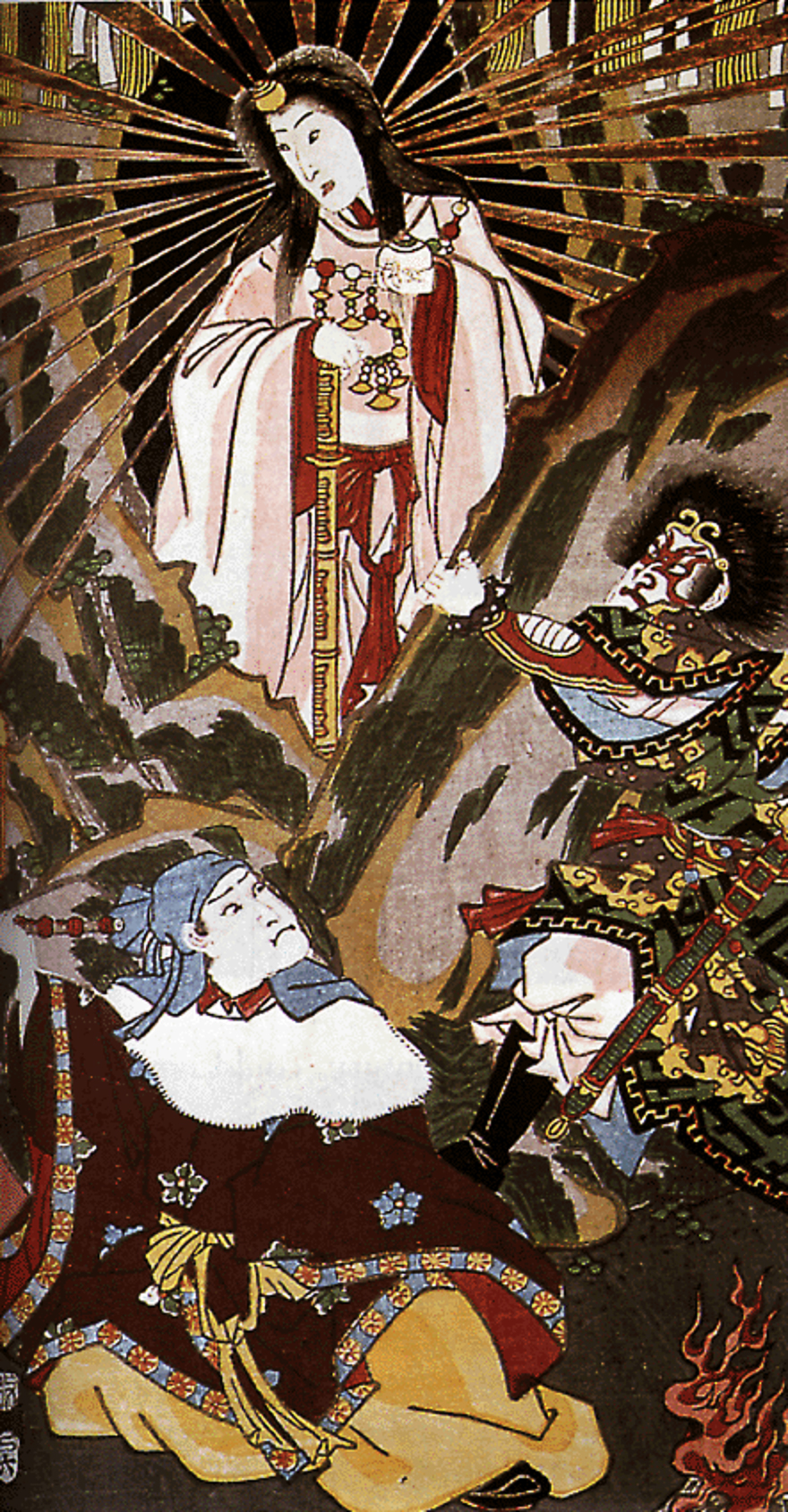
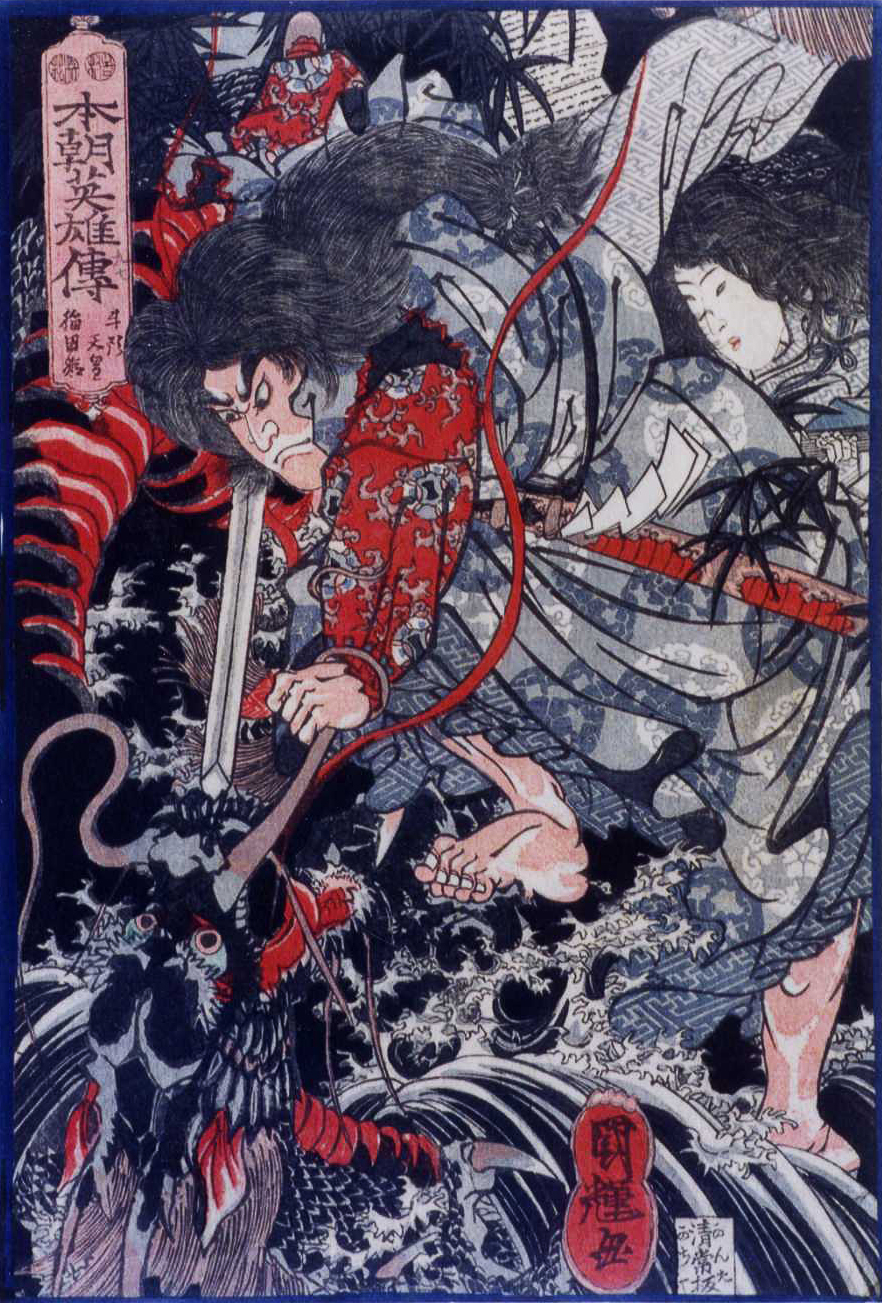
Izumo is famous in Shinto tradition. The region is home to major shrines and is strongly associated with the god Ōkuninushi in the Kojiki and other early sources; these myths helped establish Izumo’s reputation as a sacred place where deities gathered. Festivals, pilgrimage routes and shrine architecture from the area influenced religious practice across Japan.
Notable sites and legacy
- Izumo’s chief shrines and ancient ritual sites draw scholars and pilgrims.
- Matsue, which later developed as a castle town, remains a cultural center with preserved historic districts.
- Natural features such as coastal wetlands and Lake Shinji shaped local economy and folklore.
Today the former province’s identity survives through place names, cultural heritage and tourism. Museums, shrine precincts and festivals interpret Izumo’s long history for residents and visitors, while academic research continues to examine its archaeological sites and literary role in Japan’s early chronicles.
For maps, archaeological summaries and administrative lists consult regional guides and archival references through resources marked here: Izumo overview, Shimane Prefecture, Honshū context, historical borders, Iwami, Bingo, Hōki, 8th-century records and Matsue.
Related articles
Author
AlegsaOnline.com Izumo Province Leandro Alegsa
URL: https://en.alegsaonline.com/art/48773
Sources
- books.google.com : "Izumo"
- city.matsue.shimane.jp : Masue City
- books.google.com : "Provinces and prefectures"
- books.google.com : "Izumo taisha"
- eos.kokugakuin.ac.jp : "Nationwide List of Ichinomiya," p. 2