
Matsue: Historic Capital of Shimane Prefecture, Japan
Matsue is the capital of Shimane Prefecture on the Sea of Japan coast. Known for Matsue Castle, Lake Shinji, samurai districts, and its association with writer Lafcadio Hearn.
Overview
Matsue is a regional city on the Sea of Japan coast in western Honshu. It serves as the political and cultural center of Shimane Prefecture and lies beside Lake Shinji with coastlines facing the Sea of Japan. The city combines a compact urban center with preserved historic areas and waterfront scenery that shapes local life and tourism.
Image gallery
10 Images


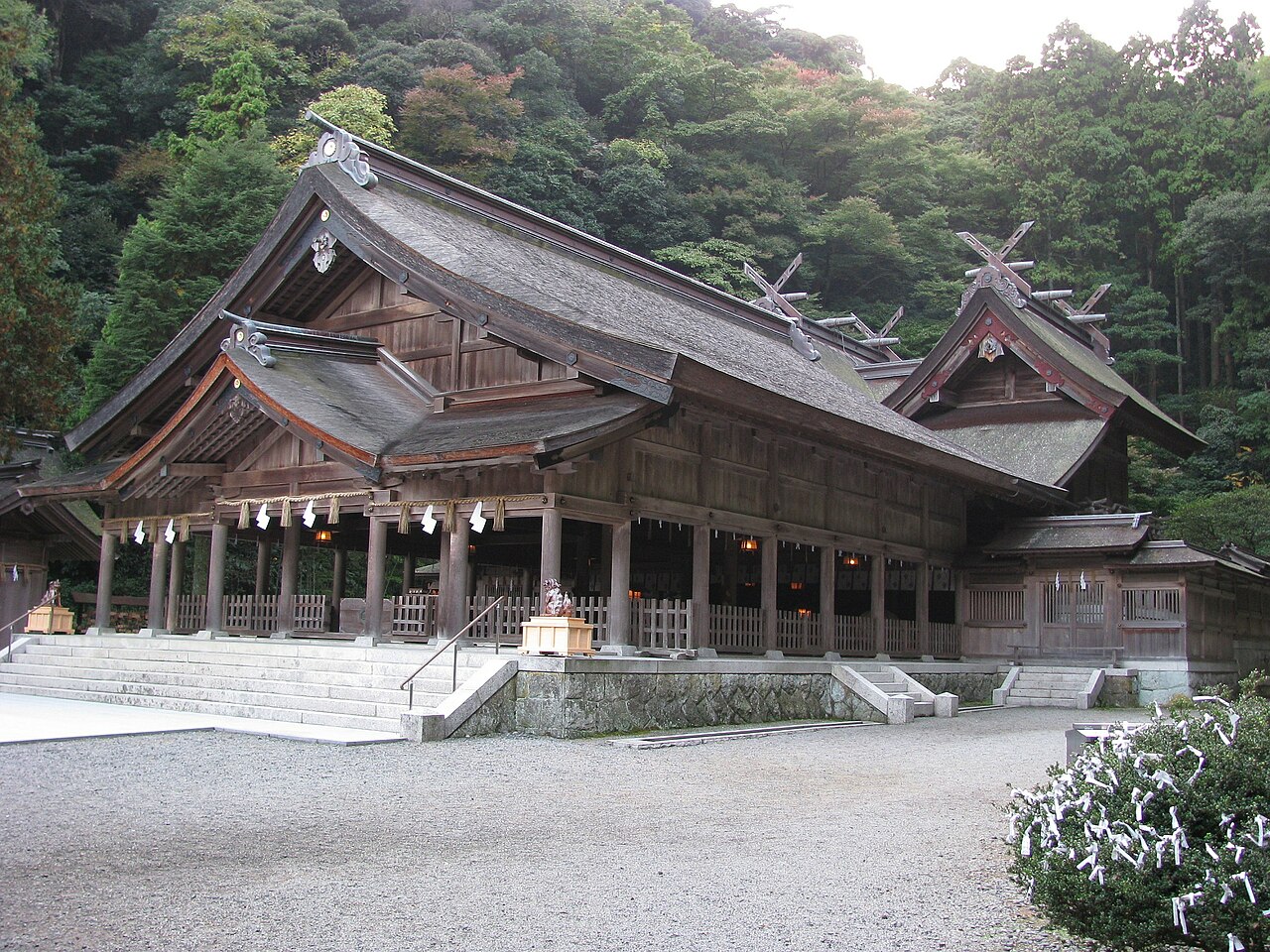


Geography and layout
The municipality occupies lowland shores and small hills between inland water and the open sea. Lake Shinji, a broad tidal lake, is a defining feature and contributes to local fisheries, transport history and scenic sunsets. The urban core is near the castle and old neighborhoods, with rural and coastal zones extending outward.
History and heritage
Matsue developed around a feudal castle and served as a domain seat during Japan’s early modern period. Its most visible historical monument is Matsue Castle, notable as one of Japan’s original wooden keeps that survive intact rather than being modern reconstructions. Nearby samurai residences and temple precincts preserve the layout and atmosphere of the preindustrial town.
Culture, attractions and local life
The city is associated with the writer Lafcadio Hearn, who lived in Matsue and drew on local folklore for his writings. Museums, a memorial house and guided tours explore that connection. Visitors often seek:
- Matsue Castle and its grounds
- Historic samurai districts and tea houses
- Lake Shinji waterfront promenades and seafood, including local clams
- Museums dedicated to regional history and literature
Significance and modern role
Today Matsue balances conservation with contemporary services: it functions as an administrative hub while promoting cultural tourism and regional crafts. Its preserved architecture, literary links and lakeside setting make it an accessible example of a small Japanese city where historical identity remains visible in daily life.
Related articles
Author
AlegsaOnline.com Matsue: Historic Capital of Shimane Prefecture, Japan Leandro Alegsa
URL: https://en.alegsaonline.com/art/62858