
Shimane Prefecture — geography, history, culture, and attractions
Shimane Prefecture on Honshu's Sea of Japan coast: an overview of its geography, climate, cultural sites, history, economy and notable distinctions.

Shimane Prefecture is a coastal prefecture on the Sea of Japan side of Honshu. Its capital is Matsue, and the region is commonly grouped with the Chūgoku area as part of the Chūgoku region. Shimane is sparsely populated compared with most Japanese prefectures, ranking among the least populous, and it preserves extensive rural landscapes, traditional architecture and long stretches of undeveloped coastline.
Image gallery
10 Images




Geography and climate
Shimane faces the Sea of Japan to the north and includes a small archipelago of islands offshore. The prefecture is separated from the Seto Inland Sea side of Honshu by a range of mountains, creating a distinct climatic divide: the San'in side, where Shimane lies, tends to receive more precipitation and cooler winters than regions to the south. The Tottori area borders Shimane to the east on the same coastal side, while mountain ranges link it inland to Hiroshima and Okayama prefectures. The Oki Islands are part of Shimane and contribute to its maritime character.
History and cultural significance
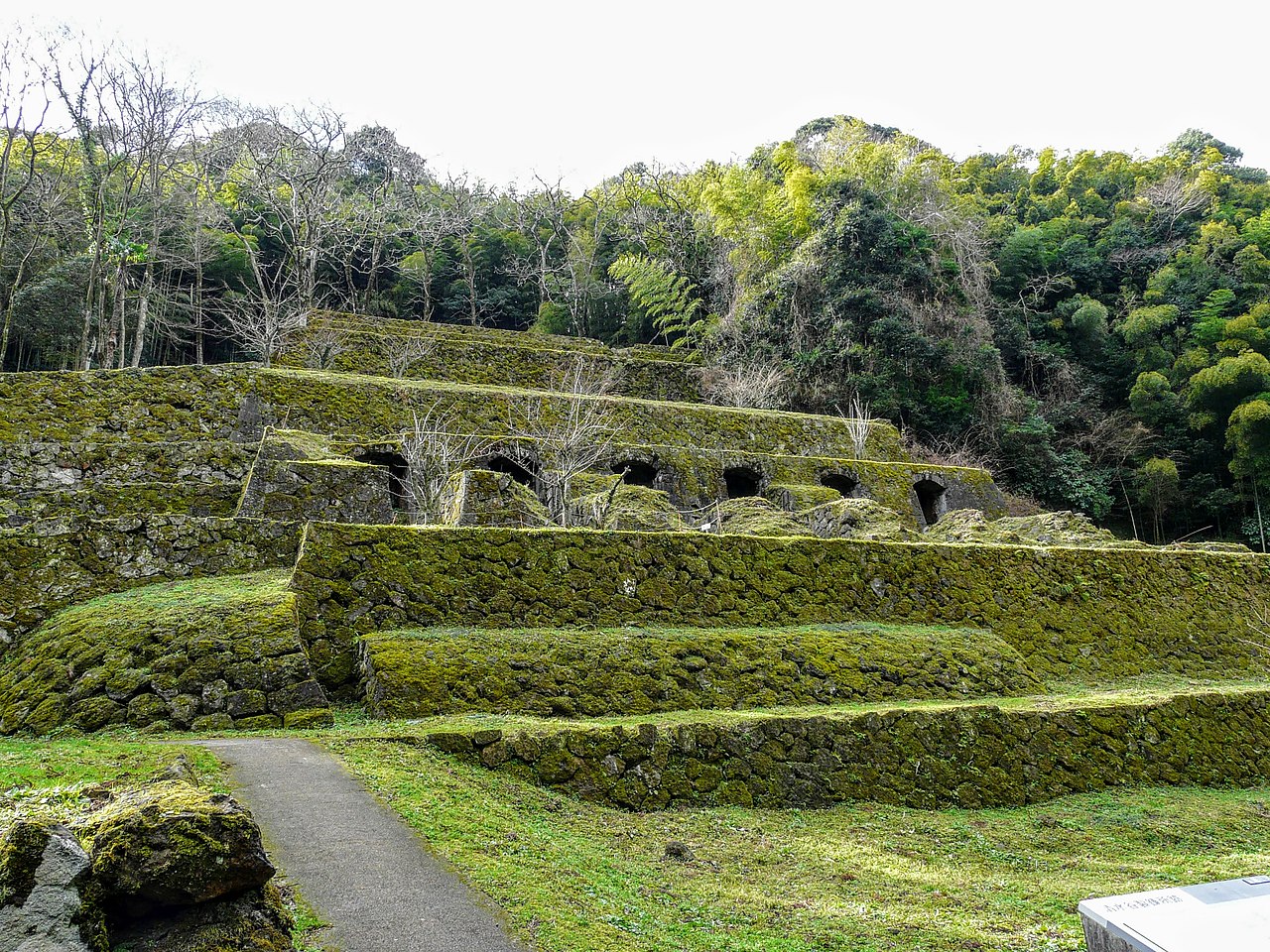
Shimane has deep roots in Japan's early religious and mythological traditions. The area around Izumo is associated in classical texts with origin myths and ancient Shinto institutions. Important historic sites include Izumo Taisha, one of Japan's most venerated Shinto shrines, and castles and temples that reflect feudal-era administration and local craftsmanship. Parts of Shimane, notably the Iwami Ginzan silver mine and its surrounding historic landscape, are recognized for their global cultural and historic value.
Economy, population and livelihoods
The local economy blends agriculture, coastal fisheries, small-scale manufacturing and services. Rice cultivation remains widespread in the lowlands, and fishing and aquaculture are important along the coast and around the offshore islands. Like many rural prefectures in Japan, Shimane faces demographic challenges, including an aging population and out-migration to larger cities; these trends have shaped local policy and community initiatives aimed at revitalization.
Tourism and notable attractions
Visitors are drawn to Shimane for its combination of natural scenery and cultural heritage. Highlights include:
- Matsue city with its historic castle and lakeside setting;
- Izumo and the venerable Izumo Taisha shrine;
- The Iwami Ginzan silver mine and its historic townscape, a UNESCO-recognized site;
- The Oki Islands, offering coastal landscapes, traditional island culture and geological interest;
- Gardens, museums and local festivals that showcase regional crafts and culinary specialties.
Distinguishing facts
Shimane is often described as representative of Japan's less urbanized, more traditional interior coastal zones. Its combination of mythic associations, preserved historic sites and island geography sets it apart from more densely developed prefectures. For further reading on administrative matters, tourism, and regional planning, consult official and regional resources linked below.
See related entries for the prefectural government and surrounding areas: prefecture overview, Matsue, Chūgoku region, Tottori Prefecture, Hiroshima Prefecture, Okayama Prefecture.
Questions and answers
Q: What is Shimane Prefecture?
A: Shimane Prefecture is a Japanese prefecture located in the Chūgoku region of the island of Honshu.
Q: What is the capital of Shimane Prefecture?
A: The capital of Shimane Prefecture is the city of Matsue.
Q: What is the population of Shimane Prefecture?
A: Shimane Prefecture has the second smallest population of any prefecture in Japan.
Q: What is the San'in area?
A: The San'in area is the area where Shimane Prefecture is part of. It means "the shady side of the mountains".
Q: How is the weather in Shimane Prefecture compared to the south?
A: The weather in Shimane Prefecture is much wetter than further to the south because there is a mountain range separating it from Hiroshima and Okayama.
Q: Which prefecture is neighboring Shimane Prefecture?
A: Neighboring Shimane Prefecture is Tottori.
Q: What does the term "San'in" mean?
A: The term "San'in" means "the shady side of the mountains".
Related articles
Author
AlegsaOnline.com Shimane Prefecture — geography, history, culture, and attractions Leandro Alegsa
URL: https://en.alegsaonline.com/art/89786
Sources
- books.google.com : "Shimane Prefecture"
- books.google.com : "Chūgoku"
- books.google.com : "Matsue"
- books.google.com : "Provinces and prefectures"
- izumooyashiro.or.jp : Izumo Shrine website
- pref.shimane.lg.jp : History of Shimane Prefecture
- env.go.jp : "General overview of area figures for Natural Parks by prefecture"
- eos.kokugakuin.ac.jp : "Nationwide List of Ichinomiya," p. 2