
Appetizer (Starter): Definition, Types, History and Uses
An appetizer is a small savory dish or drink served before a main course. This article explains its purpose, common varieties, history, serving customs and distinctions from snacks and hors d'oeuvres.
Overview
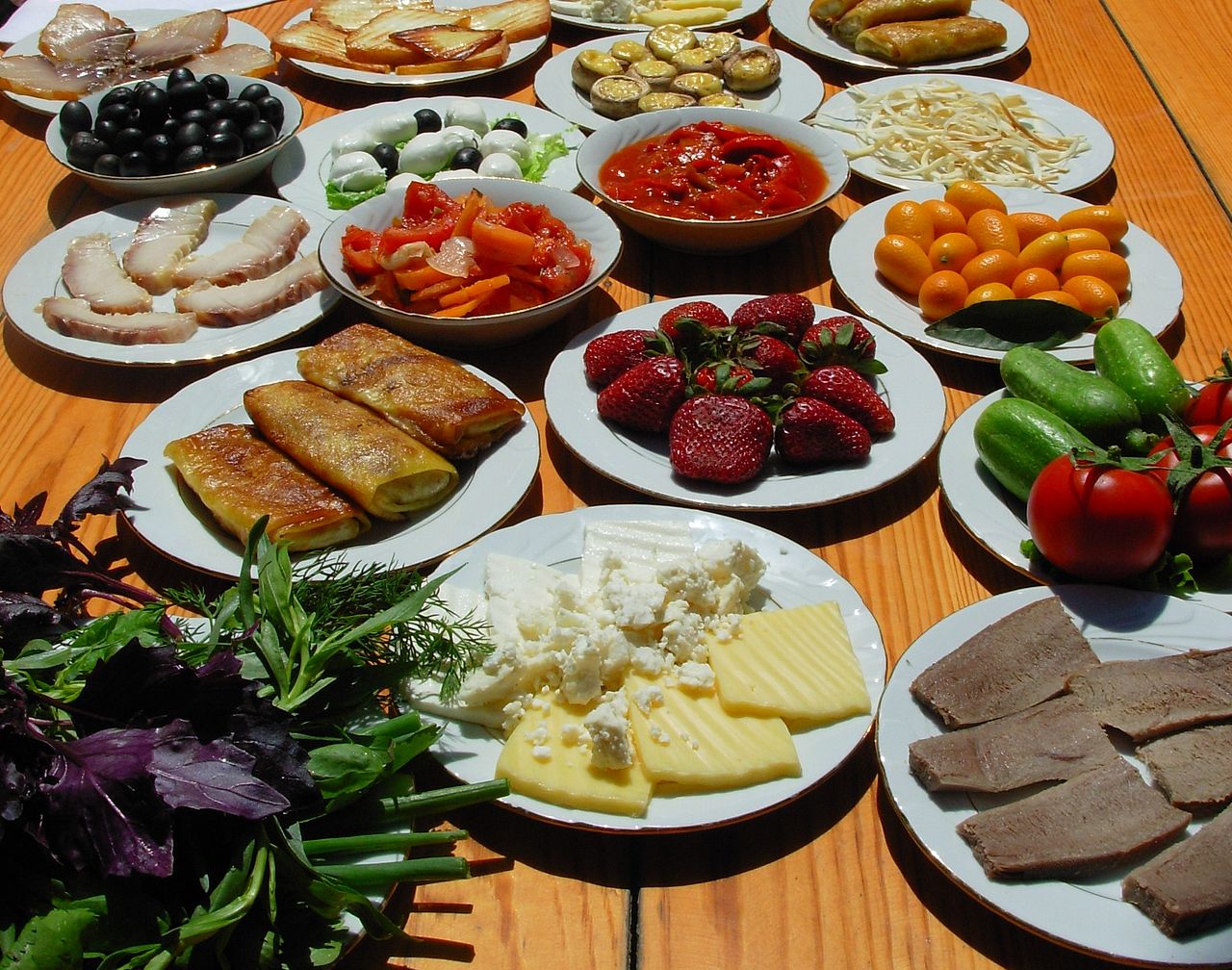
An appetizer, often called a starter in many countries, is a small food item or short drink served before the principal course of a meal. Its role is to stimulate the appetite, provide a light first course, or offer guests something to enjoy while the rest of a meal is prepared. In restaurants and at social events, appetizers may be plated individually or offered as finger foods.
Image gallery
10 Images




Characteristics
Appetizers are typically modest in portion size and concentrated in flavor to awaken the palate. They can be hot or cold, simple or elaborate, and range from single-bite hors d'oeuvres to composed small plates. Beverages that are intentionally served to open the palate, including certain cocktails, are sometimes classified as appetizers as well.
History and development
The practice of serving a small dish before the main meal appears in many culinary traditions. In some cultures a light soup or pickled item fulfills this purpose; in others, small shared plates evolved into distinct categories such as tapas, meze or antipasti. Over time chefs and hosts have refined appetizers into a way to showcase ingredients, technique and seasonality on a small scale.
Common types and examples
- Shrimp cocktail — chilled shellfish with a tangy sauce.
- Calamari — lightly battered and fried squid rings, often served with a dip.
- Salads — small composed salads or vinaigrette-dressed greens.
- Potato skins — baked shells filled with cheese, bacon and herbs.
- Mussels — steamed or marinated shellfish in flavored broth.
- Bruschetta, cheese and crackers — toasted bread or simple bites topped with savory ingredients.
- Other small plates include skewers, dumplings, spreads and seasonal preparations.
Serving, etiquette and distinctions
Appetizers differ from snacks in that they are usually tied to a meal's structure, and from hors d'oeuvres in that the latter are often served before a formal reception or cocktail hour without an accompanying main course. Etiquette varies by setting: in formal dining, starters are plated and eaten with utensils; at casual gatherings they are passed or laid out buffet-style. Chefs use appetizers to introduce a meal's theme and to manage diners' expectations about portion and pace.
Whether simple or sophisticated, appetizers play a practical and social role: they bridge conversation and dining, allow sampling of flavors, and provide a flexible format for culinary creativity.
Questions and answers
Q: What is an appetizer?
A: An appetizer is a small dish or drink that is served before a meal, and may contain alcohol.
Q: What are some common examples of appetizers?
A: Some common examples are shrimp cocktail, calamari, salad, potato skins, mussels, bruschetta, or cheese and crackers.
Q: Are appetizers always small dishes?
A: Yes, appetizers are generally small dishes.
Q: Can appetizers be served in place of a meal?
A: No, appetizers are usually served before a meal and are not meant to replace the main course.
Q: Are appetizers only served in restaurants?
A: No, appetizers can also be served at home, at parties, or at other social events.
Q: Are appetizers always elegant?
A: No, while some appetizers may be very elegant in certain restaurants, others can be simple snacks or hors d'oeuvres.
Q: Can appetizers be vegetarian or vegan?
A: Yes, there are many appetizers that are vegetarian or vegan, such as bruschetta, vegetable spring rolls, or hummus with pita bread.
Related articles
Author
AlegsaOnline.com Appetizer (Starter): Definition, Types, History and Uses Leandro Alegsa
URL: https://en.alegsaonline.com/art/4973
Sources
- dictionary.reference.com : "Appetizer | Define Appetizer at Dictionary.com"
- wisegeek.com : "What are Appetizers?"
- en.wikibooks.org : "Cookbook:Appetizers - Wikibooks, open books for an open world"