
Istria Peninsula
Istria is the largest peninsula in the Adriatic Sea, shared by Croatia, Slovenia and Italy; known for its Mediterranean climate, Roman heritage, diverse languages and tourism.
Overview
Istria is the largest peninsula in the Adriatic Sea. It lies at the northern end of the Adriatic and is shared today among Croatia, Slovenia and a small area of Italy. Locally it is known as Istra in Croatian, Istra in Slovene and Istria in Italian. Its coastline, historic towns and mild climate make it a prominent region for tourism and agriculture in the central Mediterranean.
Image gallery
10 Images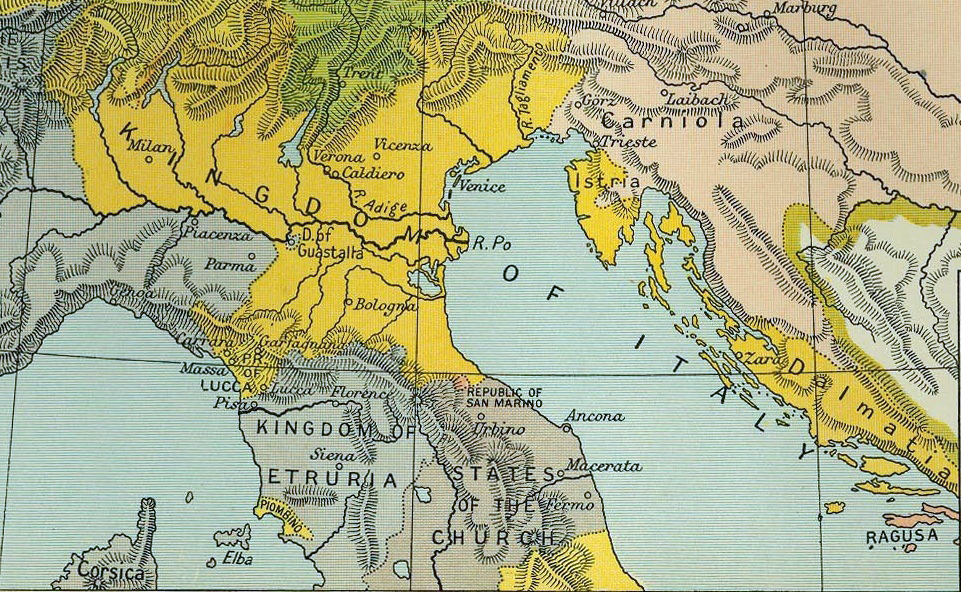


Geography and environment
The peninsula has a mix of rocky coast, sheltered bays and rolling interior hills. A Mediterranean climate prevails along the coast with hotter summers and mild winters; the interior shows more continental influence. Soils support vineyards, olive groves and aromatic herbs, while karst formations and forested slopes appear inland. The peninsula separates parts of the northern Adriatic and lies between larger bays and gulfs.
History and development
Istria has a long history of settlement, from prehistoric communities through Greek and Roman periods. Roman towns and ports left significant remains, especially in Pula. Control of Istria shifted across centuries among Venetian, Habsburg and other Mediterranean powers. In the 20th century the region experienced boundary changes and population movements after the world wars, with political administration now split between modern states.
Culture, languages and identity
The cultural landscape of Istria is multilingual and multiethnic. Croatian and Slovene are widely spoken, and Italian remains an important minority language in several towns; local Romance dialects such as Istriot and small communities speaking Istro‑Romanian also survive in limited pockets. This linguistic variety is reflected in architecture, cuisine and festival traditions across the peninsula.
Economy, tourism and uses
The economy blends tourism, viticulture, olive oil production and fishing. Well‑preserved Roman and medieval sites attract visitors; cultural heritage, seaside resorts and culinary specialties—seafood, truffles and regional wines—are key draws. Ports and marinas serve leisure boating and commerce, while inland agrarian activities remain important to rural communities.
Notable towns and sites
- Pula – famous for a large Roman amphitheatre and ancient remains.
- Poreč – known for the Byzantine‑era Euphrasian Basilica and mosaics.
- Rovinj and Motovun – picturesque coastal and hilltop towns popular with visitors.
- Koper, Piran and Izola – Slovenian coastal towns with medieval centres.
- Muggia – a small Italian town on the peninsula with Ligurian and Venetian influences.
For further reading and maps consult regional guides and specialist sources on Istrian history, culture and travel. Official information and tourism resources can be found through local authorities and cultural institutions: regional resources, heritage listings.
Related articles
Author
AlegsaOnline.com Istria Peninsula Leandro Alegsa
URL: https://en.alegsaonline.com/art/48547
Sources
- dzs.hr : Croatian census - 2001. Press Released Data, Censuses and look for the tabel: Population by Mother Tongue, by Towns/Municipalities
- stat.si : Slovenian Census - 2002
- liceopetrarcats.it : Statistical and ethnographic study about the Slovene in the Provincia di Trieste. Scroll down for the data tabel