
Italian Riviera (Riviera Ligure)
Narrow coastal region of Liguria between sea and mountains, famed for port cities, scenic villages, Mediterranean climate, distinctive cuisine, maritime history and protected landscapes such as the Cinque Terre.
The Italian Riviera—known in Italian as the Riviera ligure—is the slender coastal belt that runs along the Ligurian Sea (Mar Ligure) and is hemmed in by the Maritime Alps and the Apennines mountain ranges. It largely coincides with the coastline of the region of Liguria and presents a striking contrast between steep, terraced hills and narrow strips of lowland by the sea.
Image gallery
10 Images

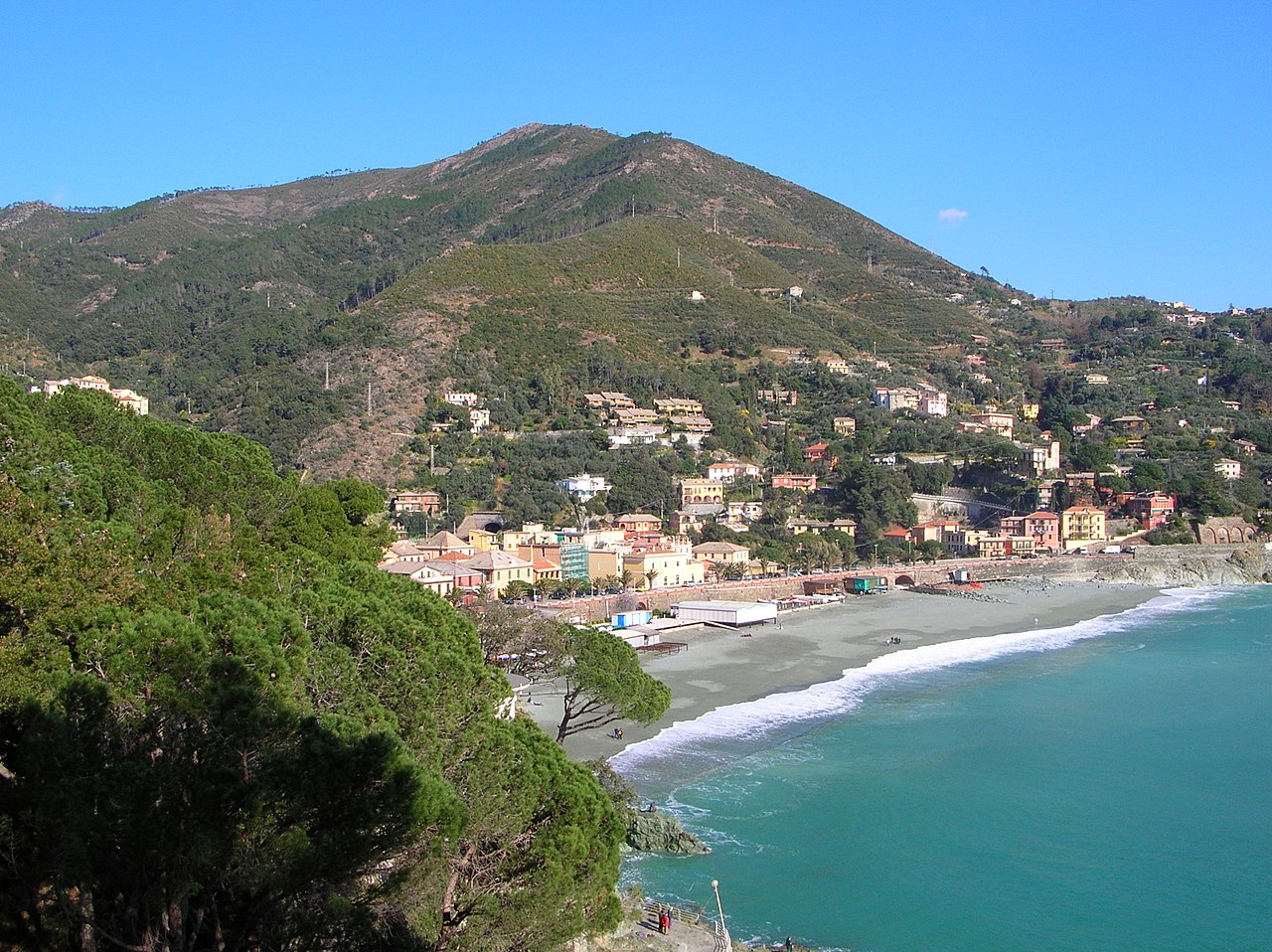


Geography and subdivisions
The Riviera is generally divided into two sectors: the Riviera di Ponente to the west of the regional capital and the Riviera di Levante to the east. Its western edge reaches the French border while the eastern side approaches the boundary with Tuscany near the Gulf of La Spezia. The terrain is characterized by cliffs, small beaches, and villages built on slopes with cultivated terraces and Mediterranean vegetation.
Towns, landscapes and notable sites
- Genoa — the largest city and historical port that anchors the region.
- Smaller but famous places: Portofino, Sanremo, Imperia, La Spezia and the villages of the Cinque Terre.
- Protected and scenic areas including coastal parks, marine reserves and UNESCO-listed landscapes.
The Riviera attracts visitors for its combination of dramatic coastal scenery and compact towns where maritime architecture, promenades and fishing harbors remain prominent. The Cinque Terre and nearby coastal landscapes are widely recognized for their cultural and environmental value.
History, culture and cuisine
The coastal strip has a long maritime history, influenced by seafaring, trade and the historical power of the city of Genoa. Local culture blends maritime traditions with mountain agriculture: steep slopes were shaped into terraces to grow olives, vines and herbs. Ligurian cuisine is a defining feature — dishes such as pesto alla genovese, focaccia and a variety of seafood preparations reflect local ingredients and long-standing culinary practices.
Economy, tourism and transport
Tourism is a major economic driver: seaside resorts, hiking trails, and historical centers draw international and domestic visitors. Ports handle both commercial and recreational traffic, while a network of coastal roads and railways links towns along the narrow corridor. Conservation and sustainable tourism are active concerns as authorities balance visitor demand with protection of fragile coastal and marine ecosystems.
Distinctive facts
- The Riviera's narrowness—often only a few kilometers from shore to mountains—creates numerous microclimates and unique landscapes.
- Its combination of natural beauty, historic towns and culinary identity makes it one of Italy's most celebrated coastal regions.
For further orientation and resources on travel, conservation and regional history consult detailed guides and local institutions via authoritative sources and tourism portals.
Related articles
Author
AlegsaOnline.com Italian Riviera (Riviera Ligure) Leandro Alegsa
URL: https://en.alegsaonline.com/art/48607