
Istakhr — ancient city near Persepolis in Fars, Iran
Istakhr (Estakhr) was an important settlement north of Persepolis in Fars, Iran, notable for Sasanian-era administration, Zoroastrian associations, and continued occupation into the early Islamic period.
Istakhr (Middle Persian: Stakhr; Persian: اصطخر, Estakhr) was an ancient urban centre located about five kilometres north of Persepolis. Its ruins lie in the modern province of Fars, in southwestern Iran. The site occupies a strategic position on the plain that once supported the Achaemenid ceremonial capital and represents a long sequence of reoccupation after the classical period.
Image gallery
10 Images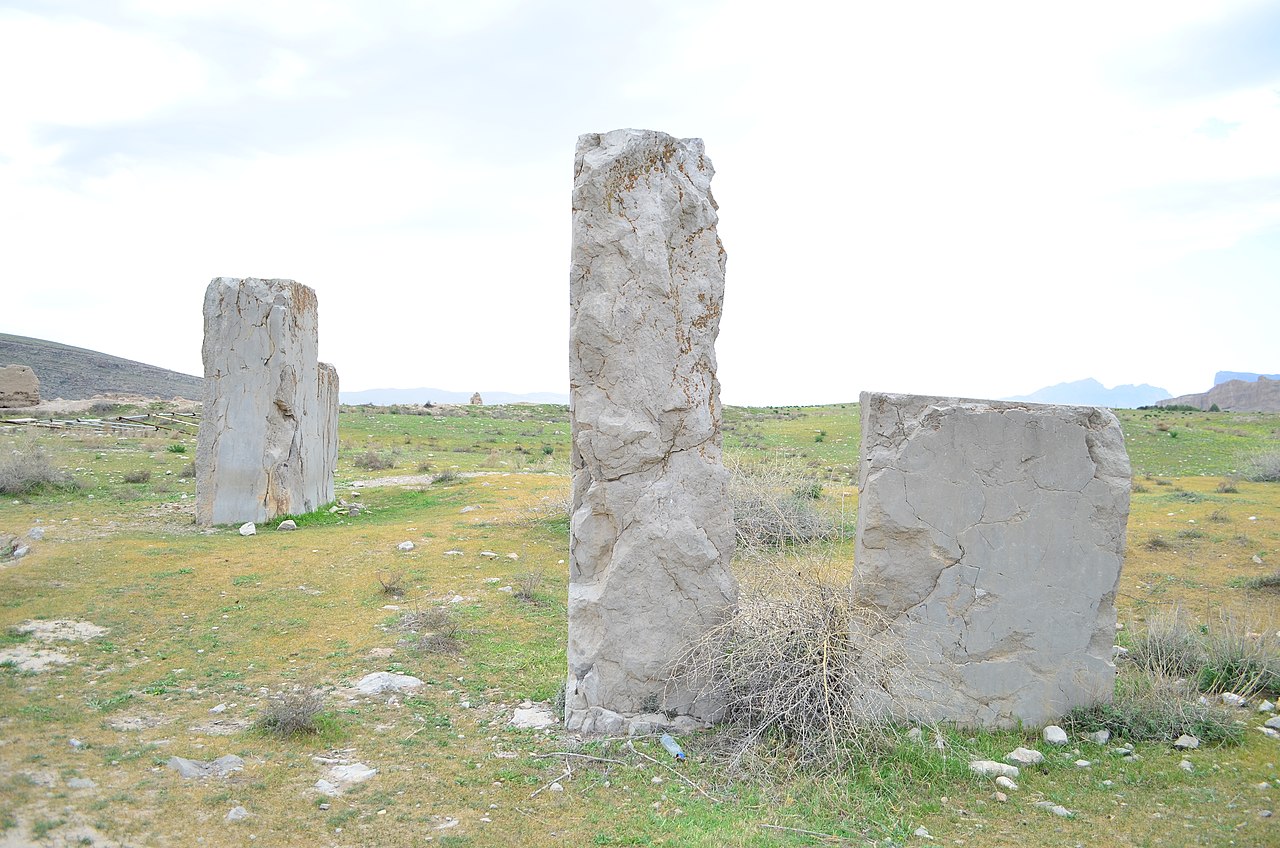


Location and remains
Istakhr is visible as a debris field of stone foundations, rubble walls and scattered architectural blocks, some of which were evidently quarried from nearby Achaemenid monuments. Archaeological surface finds include pottery of different periods, inscribed and uninscribed coins, and remains of public and religious buildings. Evidence of defensive works, planned streets and masonry foundations suggests a substantial urban settlement rather than a village.
History and development
Following the destruction of Persepolis in the late fourth century BCE, Istakhr rose as a regional centre. It is best known from the Sasanian period (3rd–7th centuries CE), when it functioned as a local administrative and religious hub in Fars and was connected to wider economic networks; Sasanian coinage and small finds attest to its role in minting and commerce. The town continued to be occupied into the early Islamic centuries, appearing in medieval chronicles as a place of local authority and clerical activity.
Archaeology and heritage
Exploration of Istakhr has been intermittent: travellers, early surveyors and later archaeological teams have recorded its remains, while limited excavations and systematic surveys have added information about chronology and material culture. Finds from Istakhr are important for understanding continuity and transformation in southern Iran between the classical imperial period and the medieval era. As with many open sites, the ruins face threats from weathering, agricultural activity and past stone‑robbery, making recording and conservation priorities for heritage authorities.
Significance
- Istakhr links the legacy of Achaemenid Persepolis with later Sasanian and early Islamic history in Fars.
- It provides evidence for regional administration, religious practice—particularly Zoroastrian institutions—and economic activity across centuries.
- Archaeological study at Istakhr complements research on nearby monuments and enhances understanding of settlement continuity in southern Iran.
For linguistic and historical reference see the Middle Persian form Stakhr and the modern Persian spelling Estakhr. General information on the province is available under Fars, and the broader archaeological context is tied to the presence of Persepolis in Iran.
Related articles
Author
AlegsaOnline.com Istakhr — ancient city near Persepolis in Fars, Iran Leandro Alegsa
URL: https://en.alegsaonline.com/art/48532