
Itajaí — port city in Santa Catarina, Brazil
Itajaí is a coastal city in the state of Santa Catarina, Brazil, known for its busy commercial port, maritime industries, festivals and history of settlement since the 17th century.
Itajaí is a coastal municipality in the southern Brazilian state of Santa Catarina. Located at the mouth of the Itajaí-Açu River, the city grew around maritime trade and fishing. It was officially founded on June 15, 1860, although European and Indigenous presence in the area dates back to the 17th century. The urban area forms part of the Vale do Itajaí (Itajaí Valley) and sits near other regional centers, including the larger city of Joinville.
Image gallery
9 Images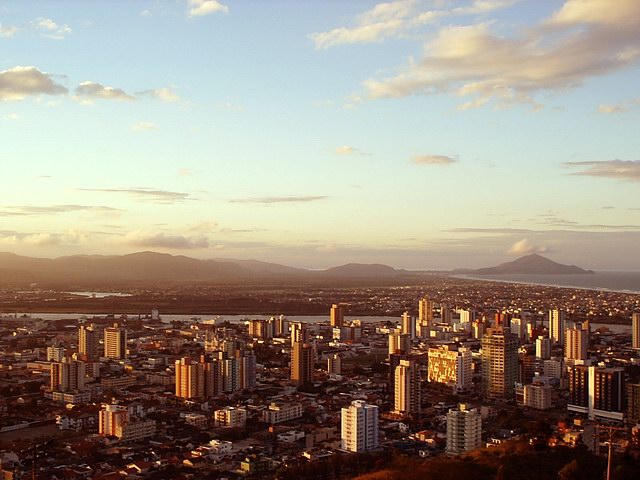


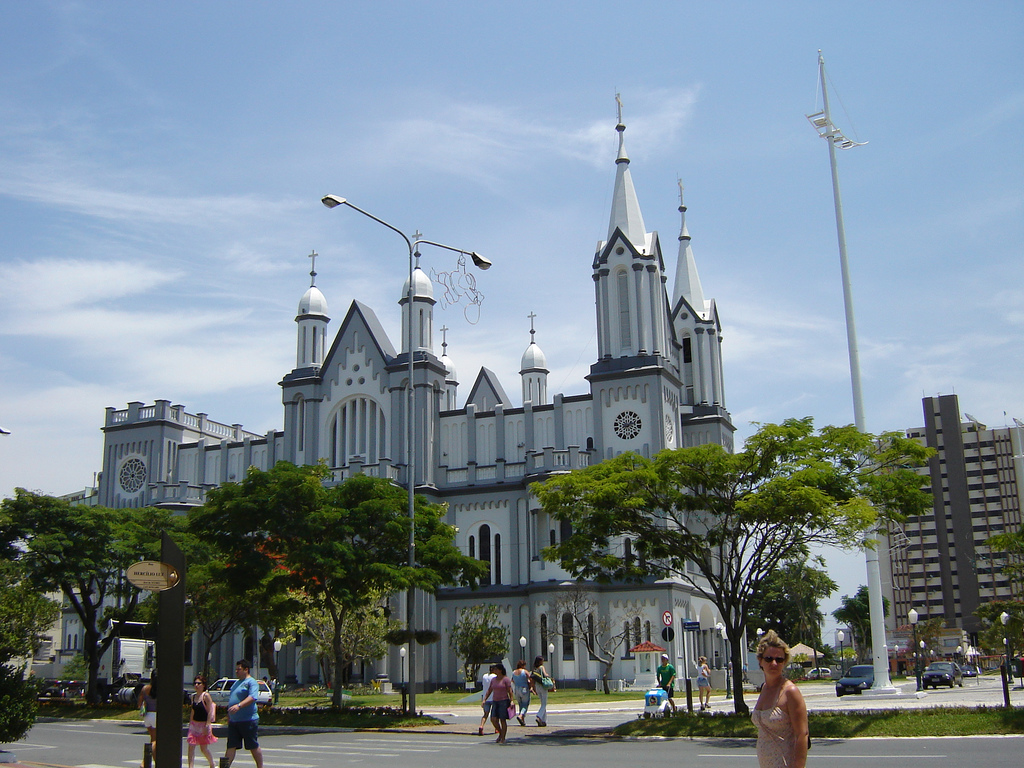


Geography and population
Itajaí lies where river and ocean meet, giving it extensive waterfront and estuarine environments. The setting produces a humid subtropical climate with warm summers and mild winters, and sandy beaches close to urban neighborhoods. The city serves as a regional hub for communities along the coast and inland river valleys.
History and development
The area around present-day Itajaí was inhabited by Indigenous peoples before European contact. From the 17th century onward, fishermen, traders and settlers—many from Portuguese Atlantic islands and later groups of European immigrants to southern Brazil—established fishing hamlets and agricultural sites. The arrival of steamer services, rail links and expanded commerce in the 19th century consolidated Itajaí as an urban port center.
Economy and the port
The Port of Itajaí is a defining feature of the municipality. It handles large volumes of containerized cargo and exports such commodities as meat, cellulose and other products from Santa Catarina and surrounding states. Marine-related industries—shipbuilding, repair, fishing and logistics—play important roles in local employment and investment.
- Major activities: cargo handling, seafood processing, shipyards.
- Regional connections: road and river transport link the port to inland production areas.
Culture, tourism and events
Itajaí combines working-port character with leisure: beaches, marinas and seafood restaurants attract visitors. The city hosts cultural events that celebrate maritime traditions and local cuisine, and it periodically appears on international sailing and sportfishing routes. Local festivals reflect the community’s fishing heritage and immigrant influences.
Challenges and notable facts
Because of its riverine and coastal location, Itajaí is vulnerable to flooding and storm surges; urban planning and flood-control measures have been important public priorities. Transportation links include highways connecting to state capitals and a nearby regional airport that serves air access for passengers and cargo. For more information see the municipal portal: Itajaí municipal site, the state overview at Santa Catarina, a general Brazil reference Brazil, and material about the region and nearby Joinville at Joinville.
Related articles
Author
AlegsaOnline.com Itajaí — port city in Santa Catarina, Brazil Leandro Alegsa
URL: https://en.alegsaonline.com/art/48580