
Isaac Titsingh: Dutch surgeon, merchant and early scholar of Japan
Isaac Titsingh (1745–1812) was a Dutch surgeon, VOC official and diplomat who served at Dejima and in China, collected Japanese materials and helped introduce Japanese culture and court practices to Europe.
Isaac Titsingh (10 January 1745 – 2 February 1812) was a Dutch surgeon, merchant-official and scholar who became one of the first Europeans to document aspects of late 18th-century Japanese and East Asian culture for a European audience. Born in Amsterdam, he spent much of his adult life in Asia in the service of the Dutch East India Company (VOC) and died in Paris.
Image gallery
6 Images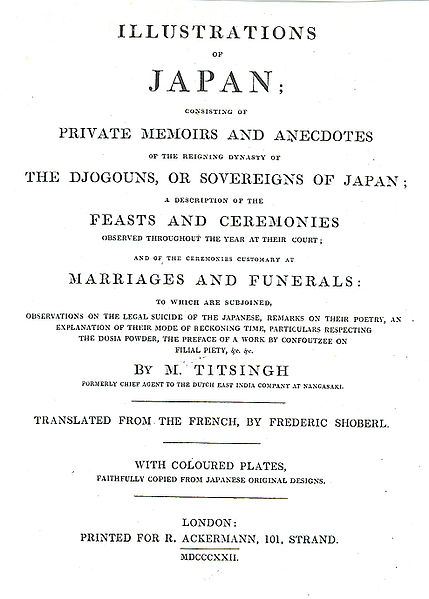



Roles and career
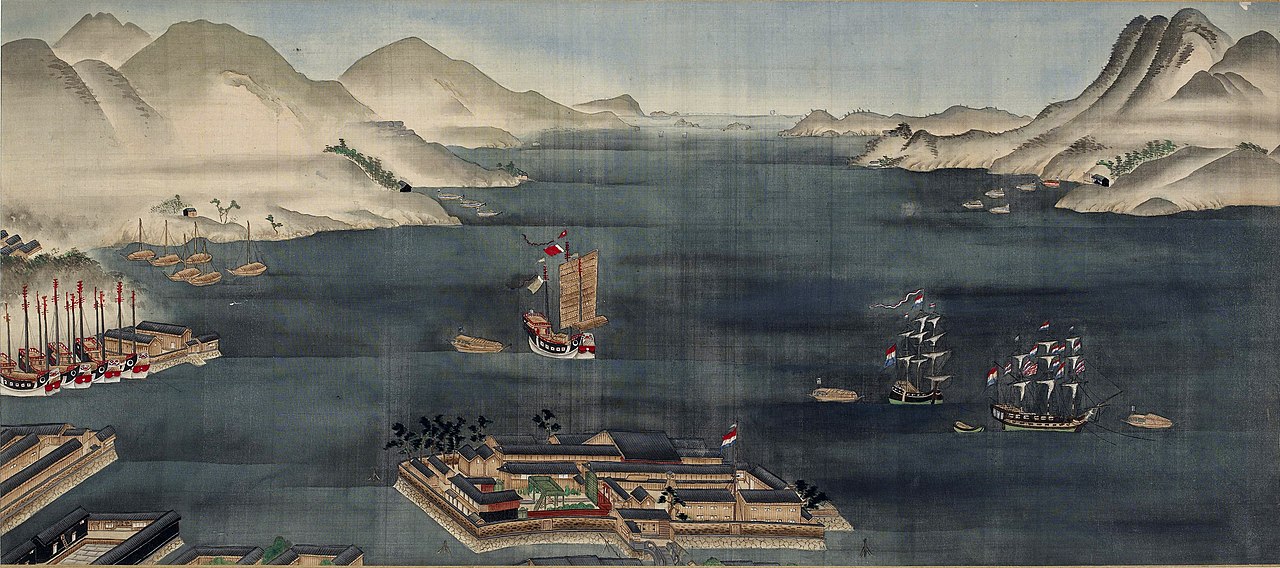
Titsingh combined medical training with commercial and diplomatic responsibilities. Over his career he worked as a surgeon, a VOC trading agent and the chief factor (opperhoofd) at the Dutch trading post on Dejima, the artificial island that served as the only legally sanctioned site for direct contact between Japan and the West in that era. He also represented Dutch interests in contacts with Chinese officials and other East Asian authorities.
Contributions to knowledge
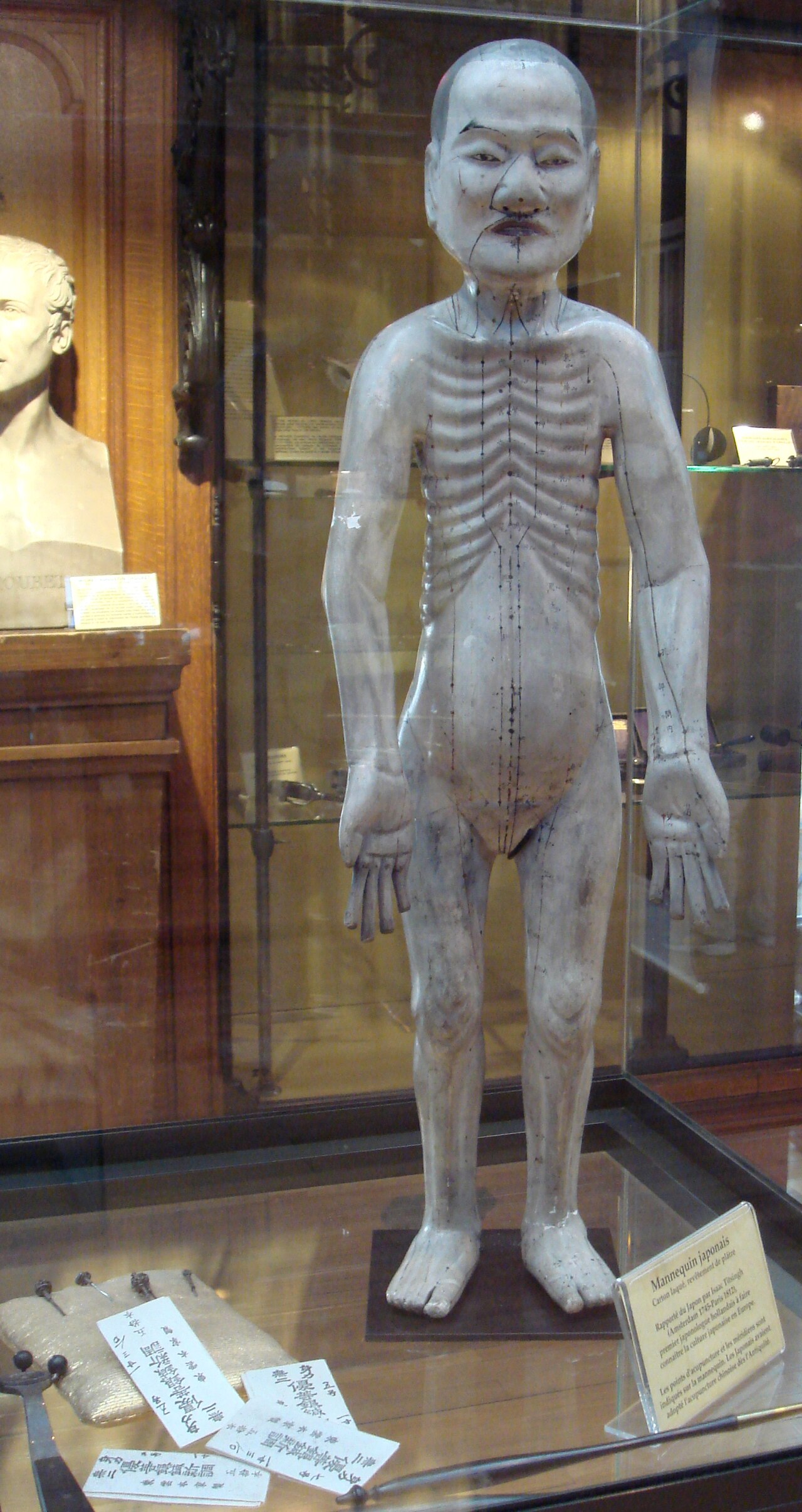
While stationed overseas, Titsingh collected books, official documents, and examples of court ritual and chronology. He learned to communicate with local scholars and officials and compiled notes on ceremonies, calendars and the Japanese imperial house that were unusual in Europe at the time. These materials later became reference sources for early European studies of Japan and East Asia.
Legacy and significance
- Acted as a bridge between VOC commercial diplomacy and European scholarly communities.
- Introduced manuscripts and descriptions of Japanese court practices to Europe, influencing subsequent scholarship.
- Recognized by contemporaries: he was a Fellow of the Royal Society (FRS) and corresponded with leading naturalists and orientalists of his day.
Titsingh’s papers and collections were dispersed after his death, but his notebooks and the books he brought back continued to inform 19th-century European understanding of Japan. Because he operated at the unique contact point of Dejima, his accounts remain important primary sources for historians studying early modern Japanese-European interaction.
Related articles
Author
AlegsaOnline.com Isaac Titsingh: Dutch surgeon, merchant and early scholar of Japan Leandro Alegsa
URL: https://en.alegsaonline.com/art/48310
Sources
- www2.gol.com : Far East Lodge No. 1,
- www2.gol.com : "A Brief History of Freemasonry in Japan;"
- ebook.lib.hku.hk : An authentic account of the embassy of the Dutch East-India company, to the court of the emperor of China, in the years 1974 and 1795, Vol. I.
- books.google.com : A History of Japan, 1582-1941: Internal and External Worlds, p. 137.
- rmv.nl : "Accidental acquisitions: The nineteenth-century Korean collections in the National Museum of Ethnology, Part 1,"
- informaworld.com : "The Discovery of the Bonin Islands: A Reexamination,"
- books.google.com : Dictionnaire des orientalistes de langue française, p. 542
- oclc.org : WorldCat Identities
- worldcat.org : Titsingh, Isaac 1744-1812
- books.google.com : Jan Compagnie in Japan, 1600-1850: an essay on the cultural, artistic and scientific influence exercised by the Hollanders in Japan from the seventeenth to the nineteenth centuries, p. 172.