
Ape, Latvia
Ape is a small town in northern Latvia, in the historical region of Vidzeme. It received town rights in 1928 and is known for its borderland setting, local services and rural surroundings.
Overview
Ape is a small Latvian town in the northern part of the country, located in the historical region of Vidzeme near the Estonian border. It received formal town rights in 1928 and functions as a local centre for surrounding rural communities. The settlement is characterised by a compact urban core surrounded by agricultural and forested land.
Image gallery
3 Images
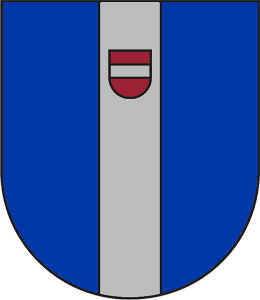
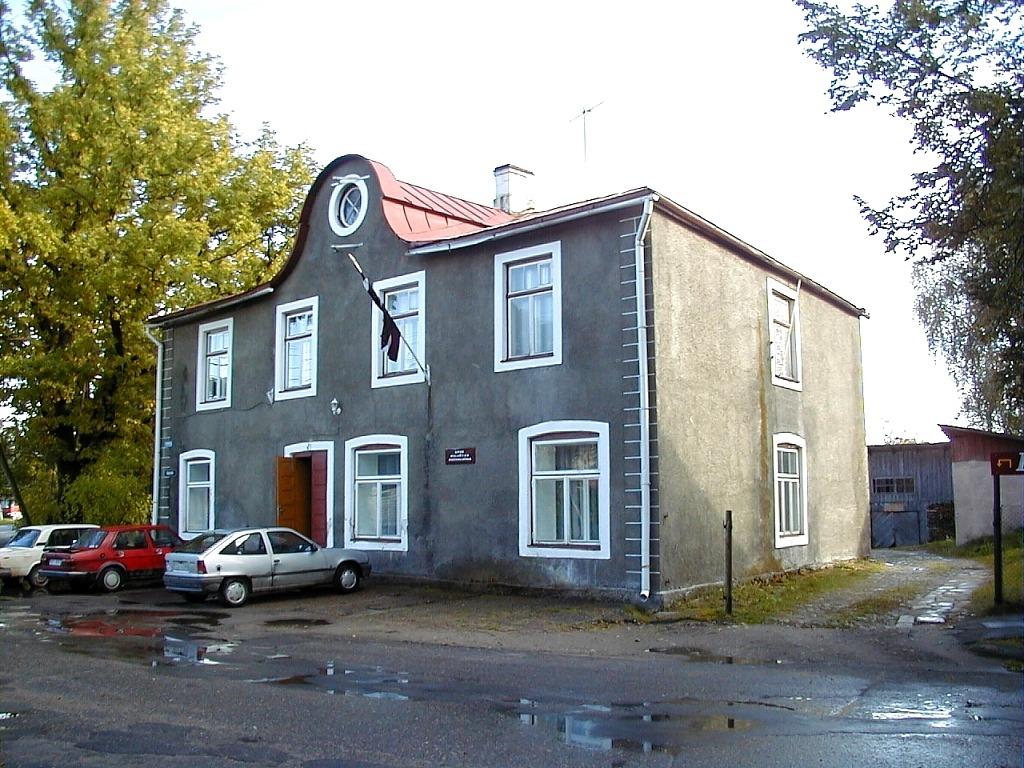
Location and geography
The town occupies a position close to the Latvia–Estonia boundary, which influences both its cultural contacts and economic interactions. The landscape around Ape is typical of northern Latvia, with mixed woods, fields and low rolling terrain. The proximity to nearby rural villages means the town serves as a hub for basic services, education and commerce in the area.
History
Ape’s granting of town status in 1928 occurred during the interwar period when Latvia established municipal institutions across the country. Like many small Latvian towns, Ape experienced the broader 20th-century shifts that affected the Baltic states, including changes in administration and economy under different political regimes. Since Latvia regained independence in 1991, the town has adapted to national reforms and local self-government arrangements.
Economy and infrastructure
The local economy is largely shaped by agriculture, forestry and small-scale services. Residents typically rely on local shops, municipal services and transport links to larger regional centres for specialised goods and employment. Infrastructure in towns of this size usually includes primary education, basic health services and municipal administration that supports surrounding settlements.
Culture and notable facts
Ape and its neighbourhood maintain regional cultural traditions of Vidzeme, including seasonal events and community gatherings. The town’s borderland location gives it a role in cross-border contact with Estonia. Its status as a town since 1928 is a frequent point of local historical identity.
Practical information
- Role: small municipal centre for surrounding rural area.
- Character: compact urban core with agricultural and forested surroundings.
- Further details: see local sources and municipal information at Ape.
Related articles
Author
AlegsaOnline.com Ape, Latvia Leandro Alegsa
URL: https://en.alegsaonline.com/art/4857