
Apostolic Palace (Papal Palace)
Official residence of the Pope in Vatican City: a complex of apartments, chapels, museums and offices including the Sistine Chapel, Raphael Rooms and the Vatican Library.
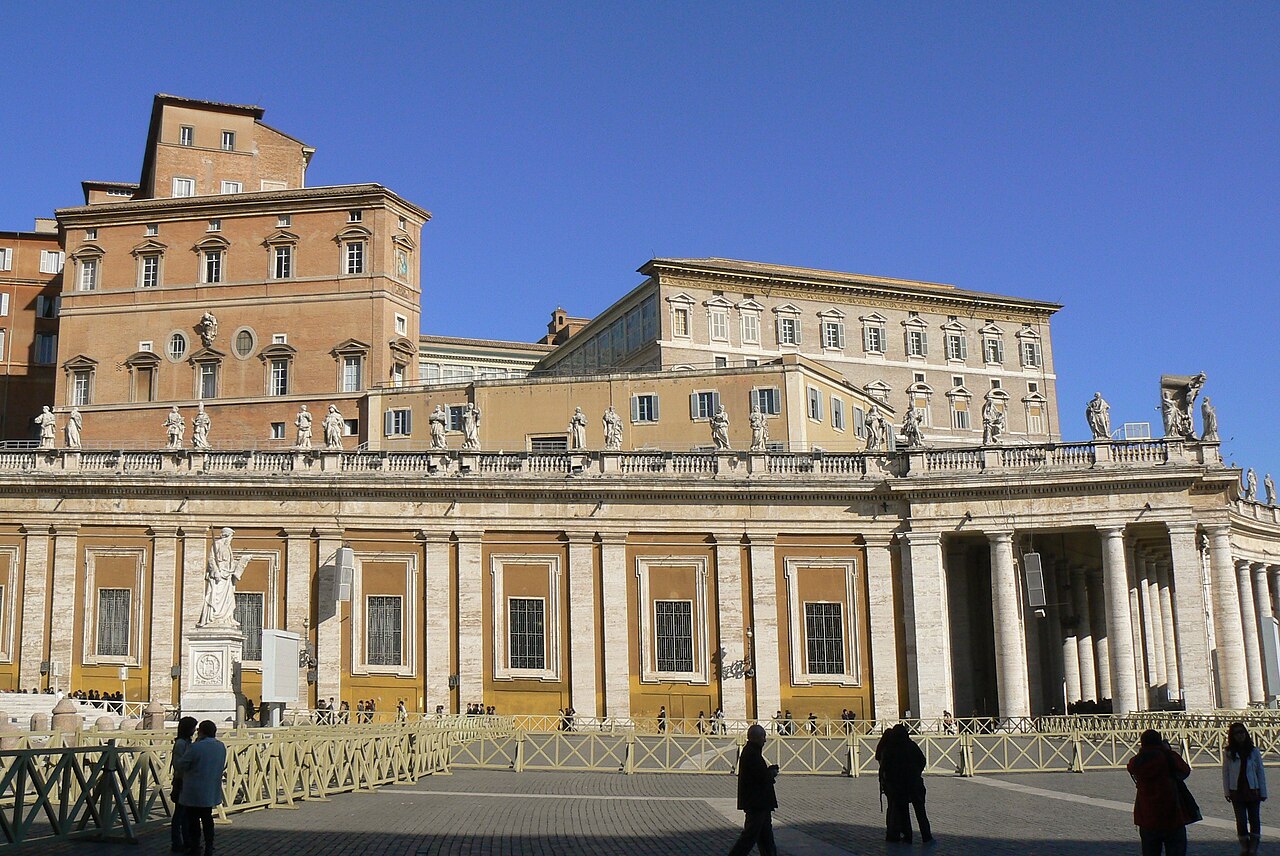
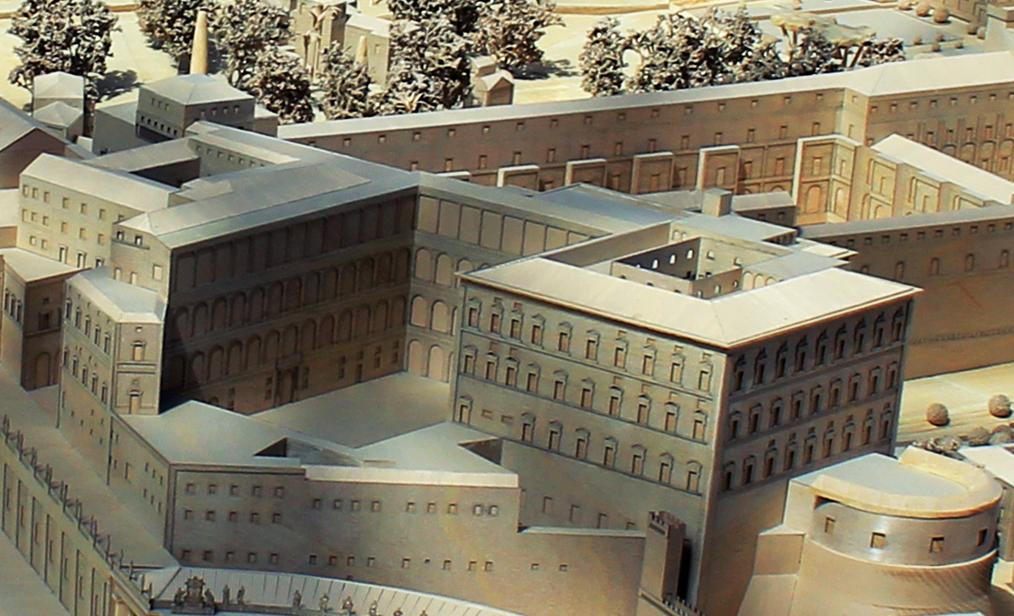
The Apostolic Palace, commonly called the Papal Palace or the Palace of the Vatican, is the traditional official residence of the Pope and stands within the territory of Vatican City. Rather than a single building, it is an interlinked complex of state rooms, private apartments, chapels and cultural institutions assembled over many centuries. It remains both a living residence and a center for the governance and ceremonial life of the Catholic Church.
Image gallery
10 Images





Layout and principal rooms
The palace contains around a thousand rooms organized into suites and wings. Notable components include the papal apartments, the offices used by parts of the Roman Curia, the archival and library spaces of the Vatican Library, and the public museums. Among the most famous interiors are the Sistine Chapel, celebrated for its ceiling frescoes, and the series of decorated state rooms known as the Raphael Rooms. The palace also houses smaller private chapels, audience halls and administrative offices used for diplomatic receptions and ecclesiastical business.
History and artistic patronage
The complex evolved gradually, incorporating medieval structures and Renaissance additions commissioned by successive popes. In the late 15th century Pope Sixtus IV ordered construction of the Sistine Chapel, and in the early 16th century Popes Julius II and others invited major artists to decorate papal rooms. The ceiling of the Sistine Chapel, painted by Michelangelo, and the fresco cycles by Raphael and his workshop are among the landmarks of Western art. Major conservation work, including a high-profile cleaning and restoration of Michelangelo’s ceiling, took place in the late 20th century.
Functions and access
Functionally, the Apostolic Palace serves multiple roles: it is a private residence for the pontiff (when in Rome), the setting for official audiences, and a headquarters for certain Curial offices. The Sistine Chapel is the site of papal conclaves, the secret elections by which a new pope is chosen. Large portions of the complex form part of the Vatican Museums and are open to visitors, while the papal apartments and some administrative areas remain private.
Other papal residences and political changes
The Apostolic Palace is one of several residences associated with the pontificate. The Lateran Palace and the summer villa at Castel Gandolfo have both served papal needs at different times. Prior to the unification of Italy in the 19th century, the popes maintained temporal rule over the Papal States; the loss of those territories and the capture of Rome in 1870 changed the papacy’s political position. Before 1871 the Quirinal Palace functioned as the primary papal residence; following the end of papal temporal power and the abolition of the monarchy, that building became the residence of Italy’s heads of state after the Papal States were subsumed into the new Italian state and the last remnants of papal territorial sovereignty were suppressed by the takeover of the Papal States.
Notable distinctions and legacy
Although closely identified with the person of the pope, the Apostolic Palace is best understood as a complex institution: a residence, an administrative center, an artistic treasury and a public museum all at once. Its rooms display layers of artistic, religious and political history and continue to serve both the spiritual leadership of the Catholic Church and the cultural life of visitors from around the world. For further information on particular collections and rooms, consult official guides and museum resources available through Vatican information services (official residence, Vatican City).
Questions and answers
Q: What is the Apostolic Palace?
A: The Apostolic Palace, also called the Papal Palace or the Palace of the Vatican, is the official residence of the Pope in the Vatican City.
Q: What buildings make up the Palace?
A: The Palace is a complex of buildings that includes the Papal Apartment, the Catholic Church's government offices, a handful of chapels, the Vatican Museum, and the Vatican library.
Q: How many rooms are in the Palace?
A: There are over 1,000 rooms in the Palace.
Q: What are the most famous rooms in the Palace?
A: The most famous rooms in the Palace are the Sistine Chapel, with its renowned ceiling frescoes painted by Michelangelo (restored between 1980-1990), and Raphael's Rooms.
Q: What are the other papal residences?
A: The other papal residences are at the Lateran Palace and the Castel Gandolfo outside Rome.
Q: What was the Pope's official residence before 1871?
A: Before 1871, the Quirinal Palace was the Pope's official residence.
Q: Who took over the Quirinal Palace after the final overthrow of the Papal States in 1870?
A: After the final overthrow of the Papal States in 1870, the King of Italy confiscated the Quirinal Palace in 1871, making it the king's official residence; after the abolition of the Italian monarchy in 1946, it became the President of the Italian Republic's residence.
Related articles
Author
AlegsaOnline.com Apostolic Palace (Papal Palace) Leandro Alegsa
URL: https://en.alegsaonline.com/art/4939