
iPhone 4S
Apple's iPhone 4S (released 2011) refined the iPhone 4 design with upgraded internals, iOS 5 features, an improved camera and the introduction of the Siri voice assistant.
The iPhone 4S is a smartphone designed by Apple and announced as an incremental but influential update in the iPhone line. Externally it retained the compact, flat-glass-and-steel look of its predecessor while adding internal upgrades that improved speed, photography and software capabilities. Like other iPhones it uses a capacitive touchscreen and emphasizes integration between hardware, operating system and online services.
Image gallery
9 Images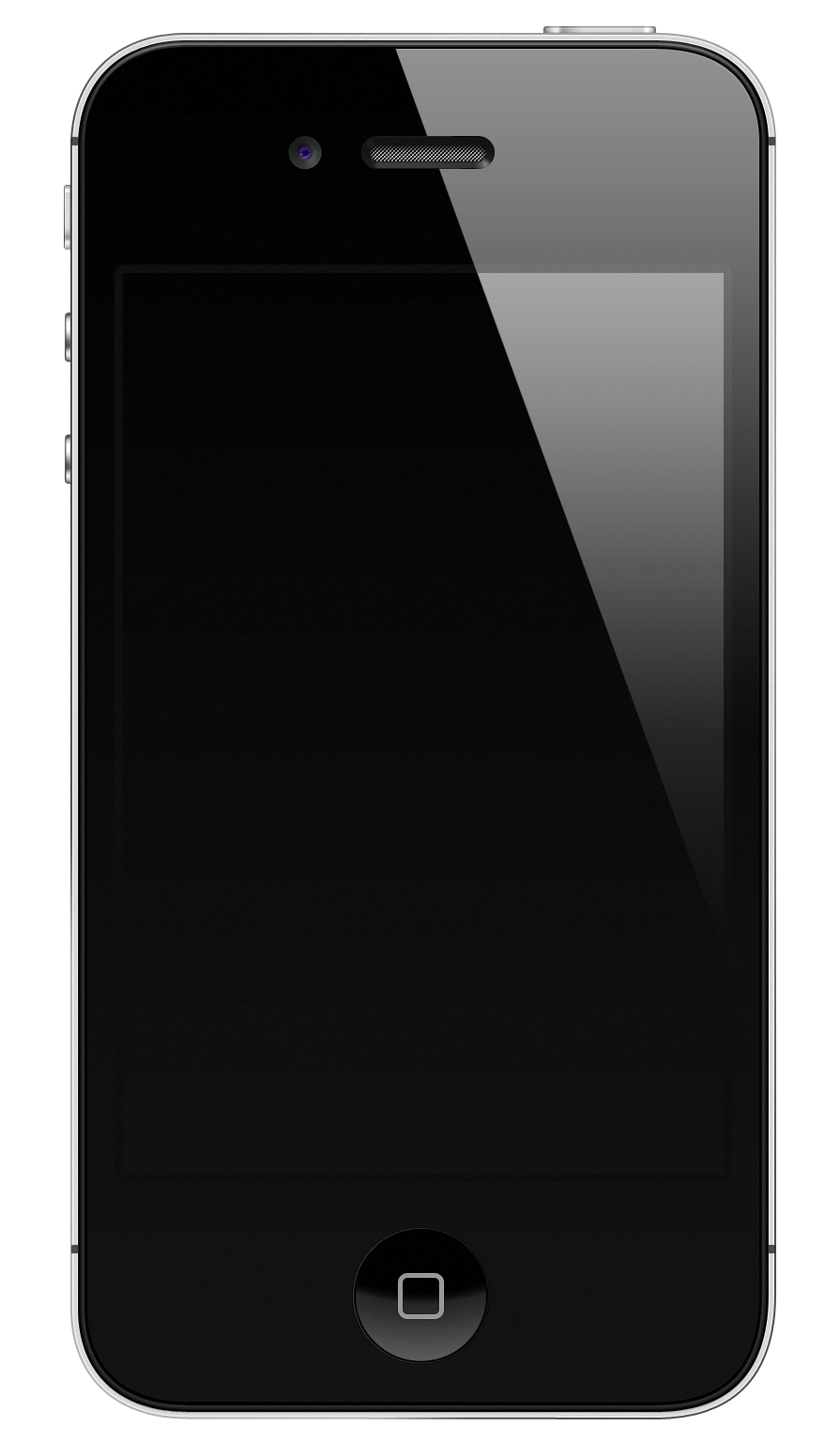


Launch and availability
The device was made available for pre-order on October 7 and went on sale on October 14 in an initial group of countries including the United States, Australia, Canada, the United Kingdom, France, Germany and Japan. Over the following months Apple expanded retail and carrier availability to many other markets. The timing and allocation of units shaped early sales and customer access in 2011.
Design and hardware
Though the iPhone 4S preserved the same exterior dimensions and overall silhouette as the iPhone 4, its internal components were substantially upgraded. It shipped with the Apple A5 system-on-chip, delivering faster CPU and graphics performance than the previous model. The camera system was enhanced with an 8‑megapixel sensor and the ability to record high-definition 1080p video, which improved low-light performance and produced sharper images for everyday photography.
Software and services
The iPhone 4S launched running iOS 5, the fifth major version of Apple’s mobile operating system (iOS). iOS 5 introduced several notable features: iCloud cloud synchronization and backup (iCloud), the iMessage messaging service, a centralized Notification Center, Reminders and tighter social sharing, including built-in integration with Twitter. These changes shifted some user expectations toward online synchronization and push-style notifications.
Siri and user interaction
One of the most publicized additions was Siri, a natural-language voice assistant included on the iPhone 4S that allowed users to dictate messages, set reminders, ask questions and control basic phone functions by speaking. Siri represented an early mainstream introduction of conversational voice control on a smartphone and later became a persistent feature across Apple products and services; the assistant is often cited as a turning point in consumer expectations for voice interaction (Siri).
Legacy and distinctions
The iPhone 4S is frequently described as a refinement rather than a redesign: same external form factor, but faster processor, a much-improved camera, software advances with iOS 5, and the arrival of Siri. These combined changes kept the model competitive and influential in Apple’s product line-up. While later iPhone generations moved to new shapes and larger screens, the 4S is remembered for demonstrating how incremental hardware upgrades plus new software services can extend the relevance of an existing industrial design.
Related articles
Author
AlegsaOnline.com iPhone 4S Leandro Alegsa
URL: https://en.alegsaonline.com/art/48041
Sources
- apple.com : "iPhone 4S First Weekend Sales Top Four Million"
- engadget.com : "Benchmarks clock iPhone 4S' A5 CPU at 1 GHz, show major GPU upgrade over iPhone 4"
- ifixit.com : "iPhone 4S Teardown"
- spiegel.de : Neues iPhone 4S, by Der Speigel, 05.10.2011
- translate.google.com : Translation by Google
- mashable.com : "iPhone 4S: 4 Reasons to Upgrade"