
iPhone SE (1st generation)
A compact 4-inch iPhone released in 2016 that paired the iPhone 5s body with the iPhone 6s processor and camera, offering a lower-cost option and smaller form factor until its 2018 discontinuation.
The iPhone SE (1st generation) is a compact smartphone introduced by Apple in March 2016. It combined the smaller enclosure and familiar styling of an earlier model with the more advanced internal components of a newer line, making it an option for buyers who wanted up-to-date performance in a four-inch package. Apple presented the device as a bridge between two families of iPhone designs and positioned it for users who preferred a one-handed phone and a lower-price entry point.
Image gallery
2 Images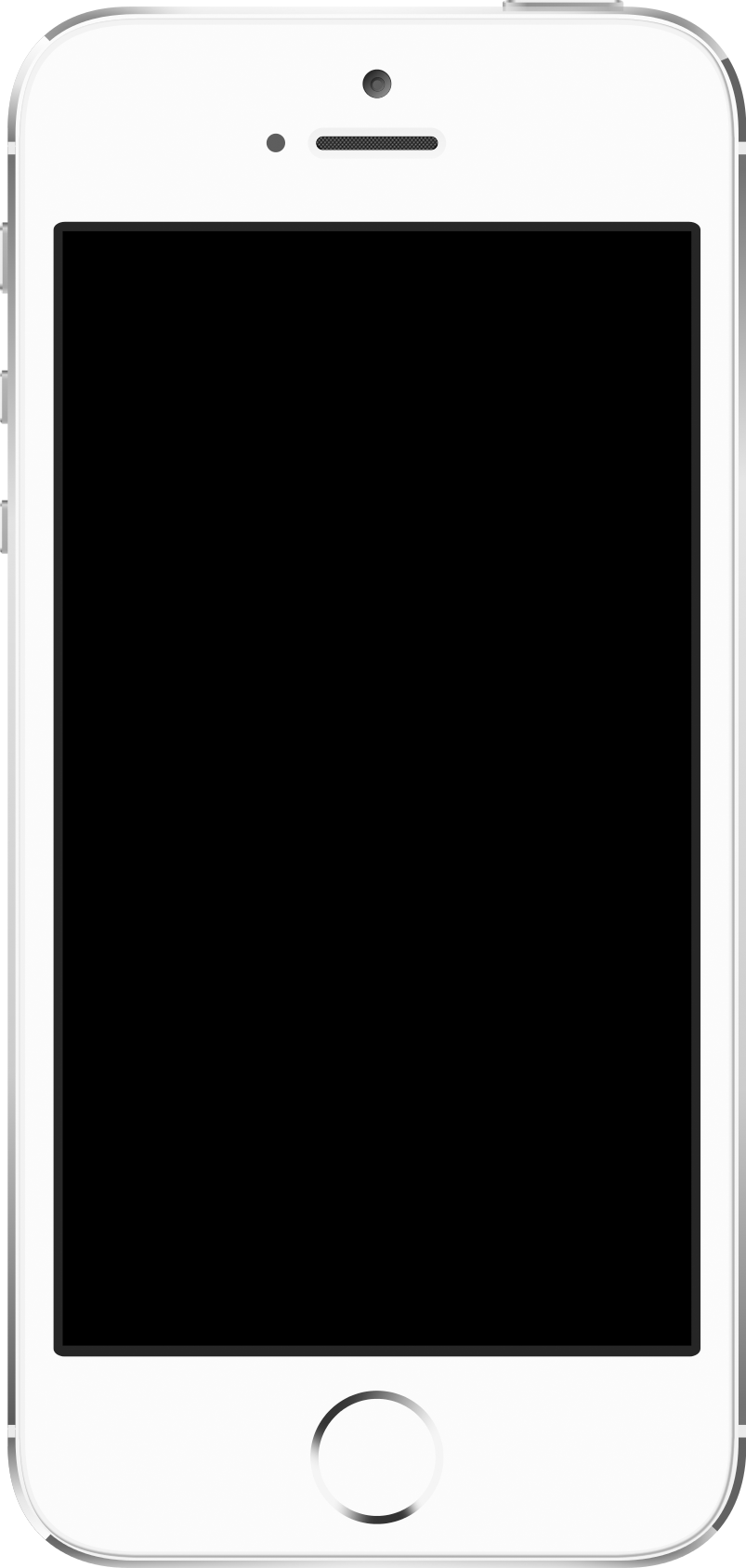

Design and hardware
Externally the device reused the rounded rectangular silhouette and 4-inch display size associated with the iPhone 5s, while internally it adopted the higher-performance system-on-chip from the iPhone 6s generation. The physical design retained a metal-and-glass build, a front-mounted Home button with fingerprint recognition, and a selection of finishes that echoed Apple's contemporaneous lineup. Notable omissions relative to the 6s family included pressure-sensitive 3D Touch and a barometer sensor.
- Body and display: compact form factor with a 4-inch Retina display.
- Processor: updated A-series chip delivering improved CPU and GPU speed compared with earlier compact models.
- Biometrics and connectivity: Touch ID fingerprint sensor and standard wireless features of the era, including an NFC controller for contactless services.
Software, camera and performance
At launch the phone ran the same mobile operating system that powered Apple’s current models, and it supported many of the same software features, app ecosystem benefits, and security updates for several years. The rear camera used the same generation of imaging hardware found in larger models, capable of high-resolution stills and 4K video recording. The front camera provided video calling and selfie functions appropriate to its class. Battery life and motion-sensing were improved compared with the older compact hardware, but some advanced sensors present on flagship devices were absent.
Reception, market role and discontinuation
The smaller size and relatively modest price made the iPhone SE popular among users who preferred one-handed use, people with smaller hands, and buyers seeking a lower-cost entry to Apple’s ecosystem. Technology commentators and some consumer outlets called attention to the model as an important product for affordability and ergonomics. Apple discontinued the first-generation SE in September 2018 alongside updates to other lines, a move that prompted commentary from media outlets about the market for smaller phones and the balance between compact design and newer form factors.
Notable facts and legacy
The first iPhone SE is often cited as an example of product consolidation: combining a familiar chassis with upgraded internals to reach a specific segment of buyers. Its release illustrated how manufacturers can repurpose existing designs to extend a product family's reach. For further official specifications and historical details, see the original product information and contemporaneous coverage — for example Apple’s product pages and press releases, reviews of the related iPhone 6s line, and commentary about the 5s-era design it adopted.
References and related pages: iPhone SE product page, Apple Inc., iPhone 6s, iPhone 5s, barometer sensor, iPhone X.
Related articles
Author
AlegsaOnline.com iPhone SE (1st generation) Leandro Alegsa
URL: https://en.alegsaonline.com/art/48049
Sources
- 9to5mac.com : "iPhone SE and iPhone 6s no longer sold by Apple (and iPhone X gone too)"
- nordic.businessinsider.com : "Apple made a big mistake by killing the iPhone SE, its smallest and most affordable smartphone - Business Insider Nordic"
- qz.com : "Apple's iPhone XS, XR, and XS Max are bad news for women—and anyone else with smaller hands — Quartz"
- gizmodo.com.au : "Why I Just Bought An iPhone SE"
- youtube.com : "Apple iPhone SE Announcement - YouTube"
- theverge.com : "iPhone SE announced: iPhone 6S specs, iPhone 5S size, $399 price - The Verge"
- wired.com : "With the iPhone SE, Apple Returns to a Masterpiece of Design"
- forbes.com : "iPhone SE Reviews: Apple's Strange Case Of Jekyll And Hyde"
- ubergizmo.com : "Apple Discontinues The iPhone 6S And iPhone SE As Well"
- nordic.businessinsider.com : "Apple just quietly killed off a bunch of older iPhone and Apple Watch models — here are the products that are gone forever - Business Insider Nordic"
- techradar.com : "The iPhone SE and iPhone 6S are dead, and that's not good for the iPhone SE 2"
- macworld.com : "Yes, your old iPhone 5s case will fit on the new iPhone SE"
- geek.com : "Apple shows off 4-inch iPhone SE, iOS 9.3"
- arstechnica.com : "Minor iPhone bump turns the 7 and 7 Plus red, gives iPhone SE more storage"
- cnet.com : "Apple iPhone SE review: Small wonder"